How a Well-Planned Wardrobe Saves Time
Time has become one of the most valuable resources in modern life. People constantly look for ways to improve productivity, simplify routines, and reduce unnecessary stress. While technology, scheduling tools, and organizational systems often receive attention for their efficiency benefits, one frequently overlooked solution can be found in a person’s closet. A well-planned wardrobe has the power to save time, reduce daily decision-making, improve confidence, and create a more organized lifestyle. What may seem like a simple fashion choice can actually influence productivity and overall well-being in meaningful ways.
Many individuals spend valuable time each day deciding what to wear. This seemingly small task can become surprisingly challenging when wardrobes are overcrowded, disorganized, or filled with clothing that no longer fits personal needs. The result is often frustration, wasted time, and unnecessary mental fatigue before the day has even begun. A thoughtfully organized wardrobe helps eliminate these obstacles by creating a system that supports efficiency and simplicity.
The concept of wardrobe planning extends beyond fashion trends or appearance. It involves creating a collection of clothing that aligns with lifestyle requirements, personal preferences, and daily activities. Through wardrobe organization, strategic clothing selection, and intentional purchasing habits, individuals can streamline their routines while maintaining personal style. Understanding how a well-planned wardrobe saves time reveals why smart fashion choices have become an essential part of modern productivity and lifestyle management.
Why Wardrobe Planning Matters in Daily Life
Every day begins with a series of decisions. From choosing breakfast to organizing work priorities, people constantly make choices that require attention and mental energy. Selecting an outfit may seem minor compared to larger responsibilities, yet it contributes significantly to daily decision-making.
Wardrobe planning helps reduce this burden by simplifying clothing choices. When a wardrobe is organized around practical needs and personal preferences, selecting an outfit becomes faster and less stressful. Rather than sorting through countless options, individuals can quickly identify combinations that work well together.
A well-planned wardrobe supports efficiency because it eliminates unnecessary complexity. Clothing items are selected intentionally, ensuring they serve a purpose within the overall collection. This approach reduces clutter and makes daily dressing more straightforward.
Fashion lifestyle habits often reflect broader organizational patterns. Individuals who maintain organized wardrobes frequently experience greater ease in other aspects of life because they spend less time managing unnecessary possessions and decisions.
Although creating a structured wardrobe requires initial effort, the long-term benefits often outweigh the investment. The time saved each morning accumulates significantly over weeks, months, and years.
How Decision Fatigue Affects Clothing Choices
One of the key reasons a time-saving wardrobe is effective lies in its ability to reduce decision fatigue. Decision fatigue occurs when individuals become mentally exhausted after making numerous choices throughout the day. Even simple decisions can contribute to this cognitive burden.
An overcrowded closet often creates more choices than necessary. While having many clothing options may appear beneficial, excessive variety can make outfit selection more difficult. Individuals may spend considerable time evaluating combinations, questioning decisions, or changing outfits repeatedly.
Wardrobe efficiency helps address this issue by narrowing options to those that are functional, versatile, and aligned with personal style. Instead of facing endless possibilities, individuals work with a curated collection of clothing that simplifies the decision-making process.
Daily outfit planning becomes easier when garments coordinate naturally. Neutral colors, versatile pieces, and complementary styles allow outfits to be assembled quickly without extensive consideration.
Although some people enjoy experimenting with fashion, even creative wardrobes benefit from organization. Reducing unnecessary choices frees mental energy for more important tasks and responsibilities.
The Benefits of an Organized Wardrobe
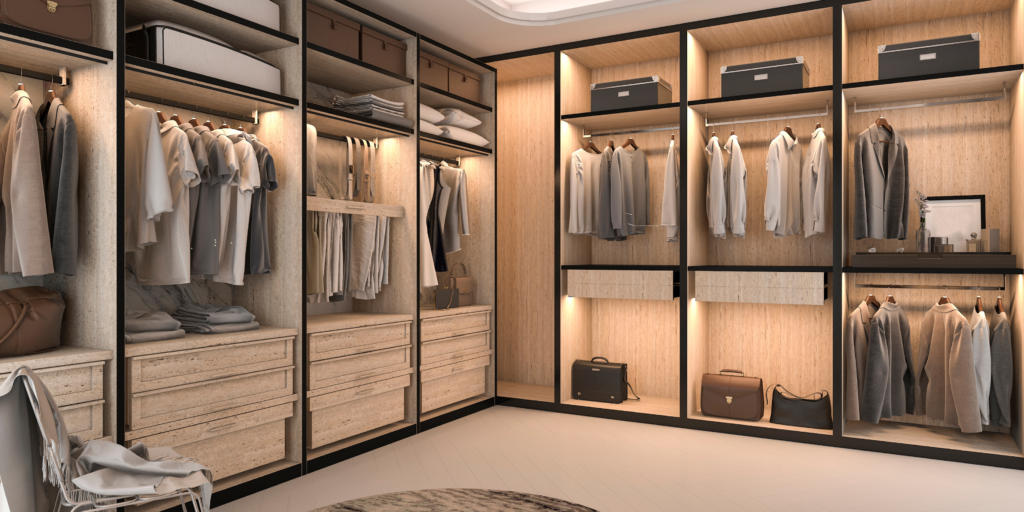
Wardrobe organization plays a crucial role in saving time because it improves accessibility and visibility. Many people own clothing they rarely wear simply because they forget it exists or cannot locate it easily.
An organized wardrobe allows individuals to see their options clearly. Clothing is arranged logically, making it easier to identify suitable outfits and avoid unnecessary searching. This visibility reduces frustration and improves efficiency.
Clothing organization also helps individuals recognize gaps in their wardrobe. Rather than purchasing duplicate items or making impulsive decisions, they can make more informed choices that enhance functionality and versatility.
A well-maintained wardrobe contributes to a sense of order that extends beyond fashion. Starting the day in an organized environment often promotes focus and productivity, creating a positive foundation for other activities.
Disorganization, by contrast, can create stress and consume valuable time. Searching for missing items, sorting through clutter, or dealing with overcrowded storage spaces can make mornings unnecessarily difficult.
By prioritizing wardrobe organization, individuals create systems that support both efficiency and peace of mind.
How Capsule Wardrobes Improve Efficiency
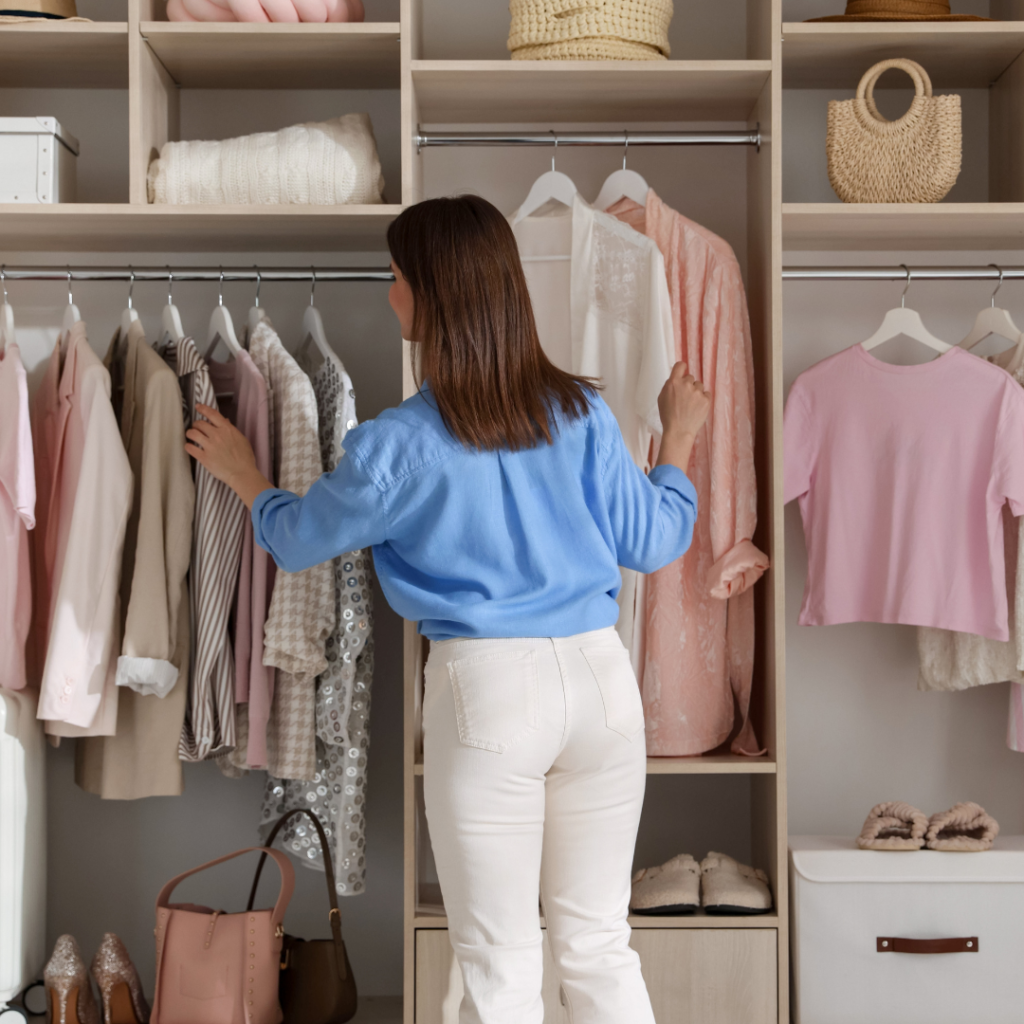
The capsule wardrobe concept has gained popularity because it offers a practical solution to modern wardrobe challenges. A capsule wardrobe consists of a carefully selected collection of versatile clothing items designed to work together seamlessly.
Capsule wardrobe planning emphasizes quality, functionality, and compatibility rather than quantity. Each piece serves a purpose and complements other items within the collection. This approach simplifies outfit creation while maintaining variety and personal style.
Time-saving wardrobe strategies often incorporate capsule wardrobe principles because they reduce complexity. Individuals spend less time deciding what to wear and more time focusing on priorities that matter most.
Wardrobe management becomes easier when clothing selections are intentional. Fewer items mean less maintenance, easier organization, and more efficient storage.
While some people worry that a capsule wardrobe may limit creativity, many discover the opposite. Working with versatile pieces encourages thoughtful styling and greater appreciation for individual garments.
The popularity of capsule wardrobes demonstrates how fashion and efficiency can coexist successfully.
Smart Fashion Choices and Long-Term Productivity
Smart fashion choices extend beyond aesthetics. They involve selecting clothing that supports lifestyle requirements, professional responsibilities, and personal goals. These decisions contribute directly to wardrobe efficiency and daily productivity.
A well-planned wardrobe includes clothing that aligns with regular activities. Individuals who frequently attend meetings may prioritize professional attire, while those with active lifestyles may focus on comfort and versatility. Matching clothing choices to daily needs reduces uncertainty and saves time.
Fashion productivity improves when garments fit properly, feel comfortable, and perform reliably. Clothing that requires constant adjustment or causes discomfort can become a distraction throughout the day.
Wardrobe planning also encourages mindful purchasing habits. Instead of making impulsive decisions based on temporary trends, individuals focus on acquiring pieces that provide long-term value and compatibility.
Although fashion trends continue to evolve, practical clothing choices often remain relevant because they prioritize function alongside style. This balance contributes to greater satisfaction and efficiency.
The Connection Between Wardrobe Management and Stress Reduction
Stress often arises from unnecessary complexity. A cluttered wardrobe can create feelings of overwhelm, particularly during busy mornings when time is limited.
Efficient wardrobe management reduces these pressures by creating structure and predictability. Individuals know where clothing is located, understand which pieces work together, and spend less time making decisions.
Fashion lifestyle improvements frequently begin with simplification. Removing unused items, organizing storage spaces, and focusing on versatile clothing can create a more manageable and enjoyable wardrobe experience.
The psychological benefits of organization should not be underestimated. An orderly wardrobe often contributes to a calmer mindset because it eliminates small frustrations that accumulate over time.
Challenges such as overcrowding, impulse purchases, and inconsistent organization can undermine efficiency. However, addressing these issues creates opportunities for greater clarity and control.
A well-planned wardrobe supports not only time management but also emotional well-being.
Why Quality Often Matters More Than Quantity
Many consumers associate wardrobe value with the number of clothing items they own. However, wardrobe efficiency is often determined by quality rather than quantity.
High-quality garments tend to last longer, maintain their appearance, and perform more reliably. Investing in durable clothing reduces the need for frequent replacements and simplifies wardrobe management.
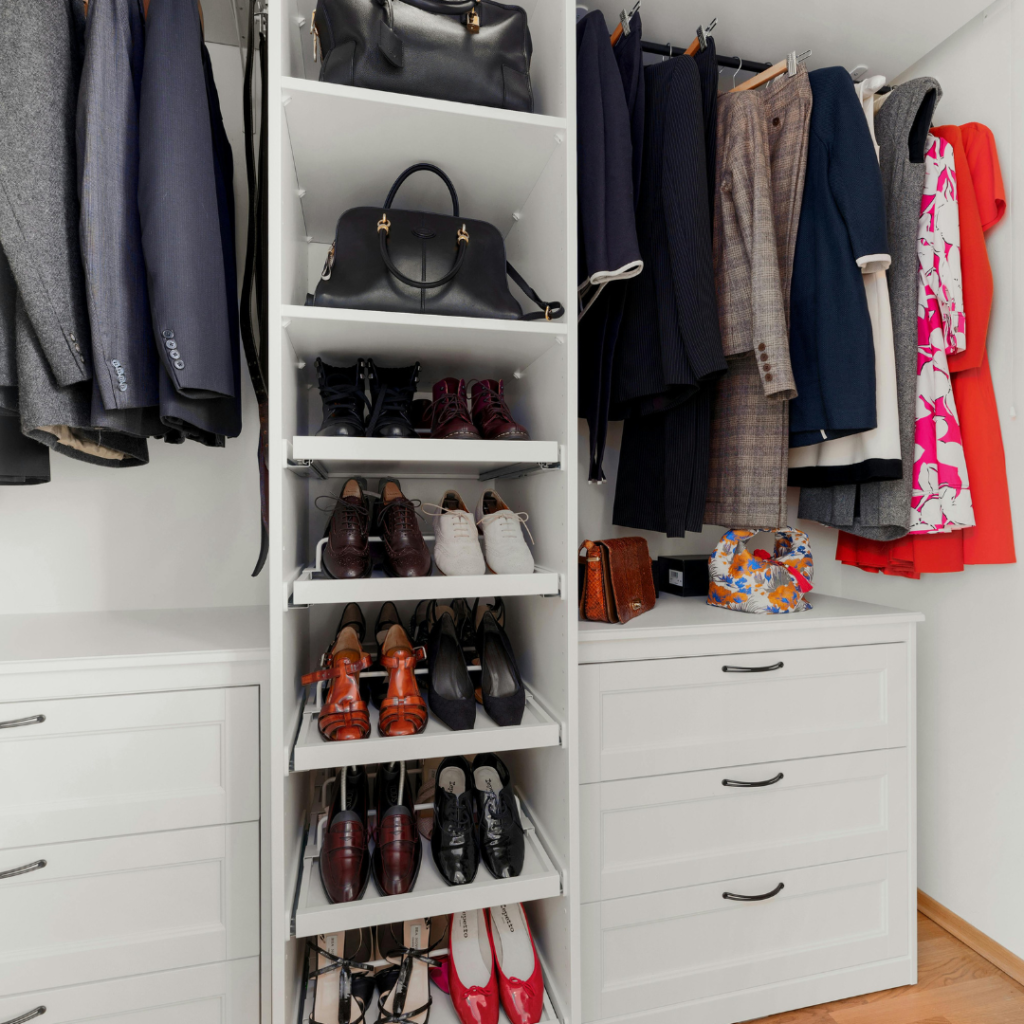
Organized wardrobes often contain fewer but more versatile pieces. These items can be mixed and matched easily, creating numerous outfit combinations without requiring excessive storage space.
Smart fashion choices emphasize functionality and longevity. Rather than chasing every new trend, individuals focus on building collections that support their lifestyles and personal preferences.
Although quality clothing may involve higher initial costs, the long-term benefits often include greater satisfaction, reduced clutter, and improved efficiency.
This approach aligns with broader trends toward intentional consumption and sustainable fashion practices.
Building a Wardrobe That Supports Modern Living
Modern life demands flexibility. People frequently transition between work, social activities, travel, and personal commitments within the same day. A well-planned wardrobe supports these demands by providing adaptable clothing options.
Efficient wardrobes are designed with versatility in mind. Garments can be styled in multiple ways and adapted to different situations, reducing the need for extensive clothing collections.
Daily outfit planning becomes simpler when wardrobes are built around cohesive color palettes and complementary styles. This strategy increases flexibility while maintaining consistency.
Fashion lifestyle trends increasingly emphasize practicality and convenience. Consumers are recognizing that clothing should support daily activities rather than complicate them.
As priorities shift toward productivity, well-being, and intentional living, wardrobe planning continues to gain relevance as a practical tool for modern life.
Conclusion
A well-planned wardrobe saves time by simplifying decision-making, improving organization, reducing stress, and supporting daily productivity. Through wardrobe planning, capsule wardrobe strategies, and smart fashion choices, individuals create systems that make dressing easier and more efficient.
Wardrobe organization contributes to a more streamlined lifestyle by eliminating clutter and enhancing accessibility. At the same time, thoughtful clothing selection helps reduce decision fatigue and supports confidence throughout the day.
As modern life becomes increasingly busy, the value of an organized wardrobe continues to grow. By focusing on wardrobe efficiency, quality clothing, and intentional fashion habits, individuals can save time, reduce frustration, and create a more productive and enjoyable daily routine. A well-planned wardrobe is not simply about clothing—it is a practical investment in efficiency, organization, and overall quality of life.