Fashion as a Tool for Personal Organization
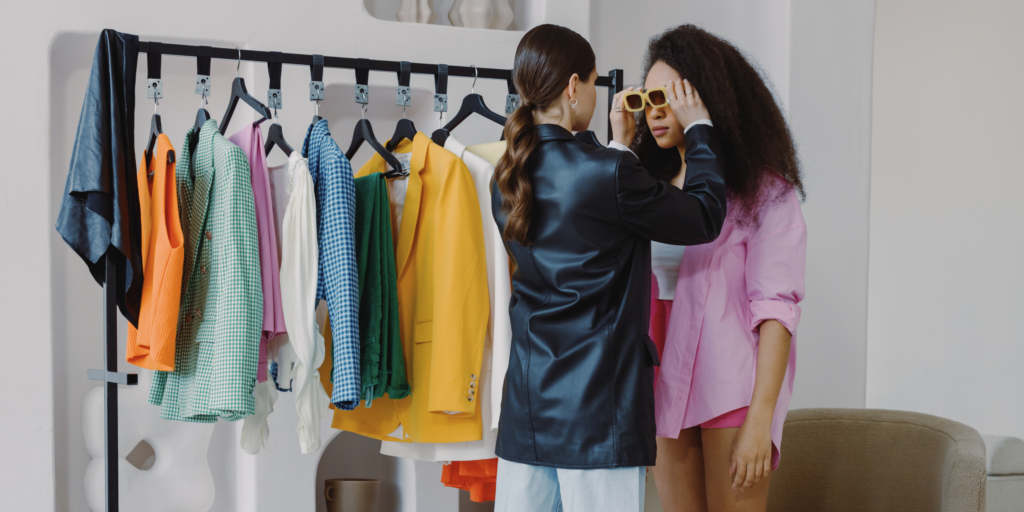
Fashion is often associated with creativity, self-expression, and personal style. Most conversations about clothing focus on appearance, trends, or individual identity. However, fashion also serves a practical purpose that is frequently overlooked. Beyond aesthetics, fashion can function as a powerful tool for personal organization. The way people manage their wardrobes, select their clothing, and develop daily dressing habits can influence productivity, time management, decision-making, and overall lifestyle efficiency. In many ways, an organized approach to fashion can create structure that extends far beyond the closet.
Modern life is increasingly fast-paced. People balance work responsibilities, family commitments, personal goals, social activities, and countless daily decisions. In this environment, small efficiencies can make a significant difference. A well-organized wardrobe helps reduce unnecessary stress, saves time, and simplifies routine tasks. Instead of contributing to daily confusion, fashion can become a system that supports clarity and organization.
The concept of fashion as a tool for personal organization goes beyond owning stylish clothing. It involves creating intentional wardrobe strategies that align with individual lifestyles and priorities. Through wardrobe organization, smart fashion habits, and thoughtful planning, individuals can streamline their daily routines while maintaining confidence and personal style. Understanding this relationship reveals why fashion can be an important component of a productive and well-structured life.
Why Personal Organization Begins with Daily Habits
Personal organization is often built through consistent routines rather than dramatic changes. Small habits repeated regularly create systems that improve efficiency and reduce unnecessary complexity. Clothing choices are among the first decisions many people make each day, making fashion an important part of daily organization.
Fashion and productivity are closely connected because morning routines often set the tone for the rest of the day. When wardrobe choices are organized and accessible, individuals can begin their day with greater focus and confidence. By contrast, a cluttered closet or disorganized wardrobe can create frustration before other responsibilities even begin.
Personal organization through fashion starts with reducing unnecessary obstacles. A wardrobe that reflects lifestyle needs and personal preferences allows individuals to make decisions quickly and efficiently. This saves time while minimizing distractions.
Daily routines benefit when clothing selection becomes a structured process rather than a source of uncertainty. Organized fashion habits help individuals focus on priorities rather than spending excessive energy deciding what to wear.
Although fashion may seem unrelated to broader organizational goals, the consistency created by effective wardrobe planning often influences other aspects of life as well.
How Wardrobe Organization Supports Efficiency
Wardrobe organization is one of the most practical ways fashion contributes to personal organization. An organized wardrobe provides visibility, accessibility, and structure, making it easier to locate clothing and create outfits.
Many people own garments they rarely wear simply because they are hidden within crowded closets or poorly organized storage spaces. Clothing organization eliminates this problem by ensuring that items remain easy to find and evaluate.
An organized wardrobe also reduces wasted time. Searching for missing garments, sorting through clutter, or struggling to assemble coordinated outfits can consume valuable minutes each day. Effective wardrobe management simplifies these processes and supports greater efficiency.
Fashion productivity improves when individuals can identify suitable clothing options quickly. This streamlined approach reduces morning stress while creating a smoother transition into daily activities.
At times, disorganization can lead to duplicate purchases or forgotten clothing items. Wardrobe planning helps prevent these issues by providing a clear understanding of what is already available.
The relationship between organization and efficiency demonstrates why wardrobe management plays such an important role in daily life.
The Connection Between Fashion and Decision-Making
Decision-making is an essential component of personal organization. Every day, individuals make countless choices that require attention and mental energy. While selecting clothing may appear insignificant, it contributes to the cumulative burden of decision-making.
Fashion decision making becomes more manageable when wardrobes are thoughtfully organized. Instead of facing endless options, individuals can choose from clothing that aligns with their needs, preferences, and schedules.
Wardrobe efficiency reduces decision fatigue, a condition that occurs when people become mentally exhausted after making too many choices. By simplifying clothing selection, individuals conserve mental energy for more important responsibilities and challenges.
Fashion as a tool for personal organization works because it creates systems that reduce uncertainty. Coordinated wardrobes, versatile clothing pieces, and clear organizational structures help streamline daily decisions.
Although personal style remains important, excessive complexity can undermine efficiency. Finding a balance between creativity and practicality often leads to better outcomes.
The ability to simplify routine decisions contributes significantly to overall productivity and well-being.
Why Wardrobe Planning Creates Structure
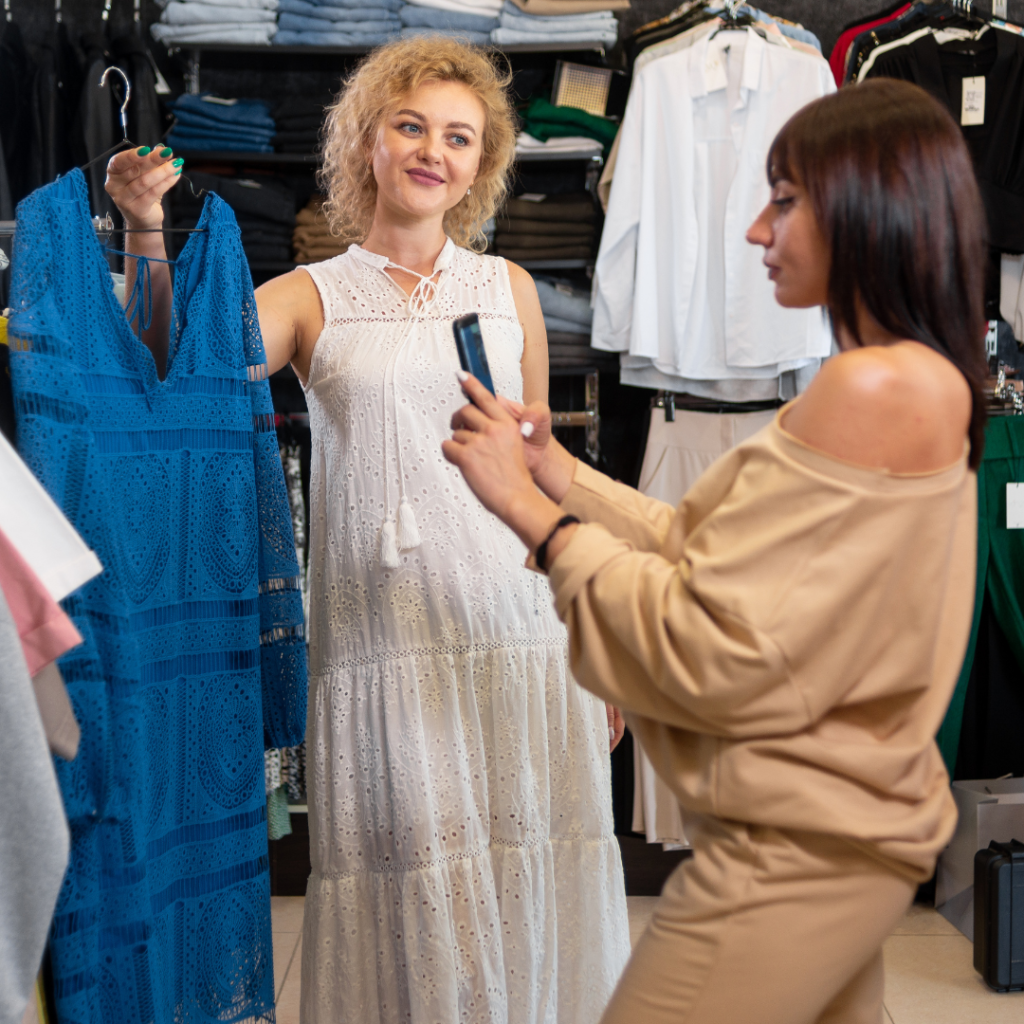
Wardrobe planning is a proactive approach to fashion that supports organization and consistency. Rather than making clothing decisions impulsively, individuals develop systems that align with their schedules, goals, and lifestyle requirements.
A well-planned wardrobe includes versatile pieces that work together effectively. This compatibility makes outfit creation easier while reducing the likelihood of last-minute frustration.
Personal style organization benefits from planning because it encourages intentional choices. Individuals become more aware of what they wear regularly, which garments provide the greatest value, and how clothing supports daily activities.
Wardrobe planning also contributes to financial organization. Thoughtful purchasing decisions help prevent unnecessary spending while ensuring that new additions complement existing items.
Fashion lifestyle strategies increasingly emphasize planning because consumers recognize the benefits of simplicity and efficiency. By creating wardrobes that support real-world needs, individuals improve both organization and satisfaction.
Although wardrobe planning requires initial effort, its long-term advantages often include greater convenience, reduced stress, and improved productivity.
Fashion Productivity and Time Management
Time management is one of the most valuable benefits associated with organized fashion habits. Every minute saved during daily routines can be redirected toward more meaningful activities and responsibilities.
Fashion productivity is achieved when clothing systems eliminate unnecessary delays and complications. Organized wardrobes allow individuals to prepare quickly while maintaining confidence in their appearance.
Efficient wardrobe practices reduce time spent searching for items, evaluating options, or resolving clothing-related problems. This efficiency becomes particularly valuable during busy mornings or demanding schedules.
Fashion and productivity intersect because clothing influences readiness and focus. When individuals feel prepared and comfortable in their attire, they can devote greater attention to professional, educational, or personal goals.
At times, poor wardrobe management can create recurring frustrations that accumulate over time. Addressing these issues through organization and planning often leads to noticeable improvements in daily efficiency.
The ability to save time consistently demonstrates why fashion can serve as an effective organizational tool.
How Personal Style and Organization Work Together
Some people assume that organization limits creativity. In reality, personal style organization often enhances self-expression by creating a stronger foundation for intentional choices.
An organized wardrobe provides clarity regarding individual preferences, favorite colors, preferred silhouettes, and frequently worn pieces. This understanding helps individuals refine their personal style while reducing unnecessary clutter.
Fashion as a tool for personal organization encourages individuals to focus on clothing that aligns with their identity and lifestyle. Rather than accumulating random items, they build wardrobes that reflect genuine preferences and practical needs.
Personal style becomes more consistent when wardrobes are curated thoughtfully. This consistency contributes to confidence while simplifying daily outfit selection.
Fashion lifestyle habits that combine organization and self-expression often result in greater satisfaction because individuals feel both authentic and efficient.
Although trends may change frequently, a well-organized wardrobe helps maintain stability and coherence within personal style choices.
Smart Fashion Habits for Long-Term Organization
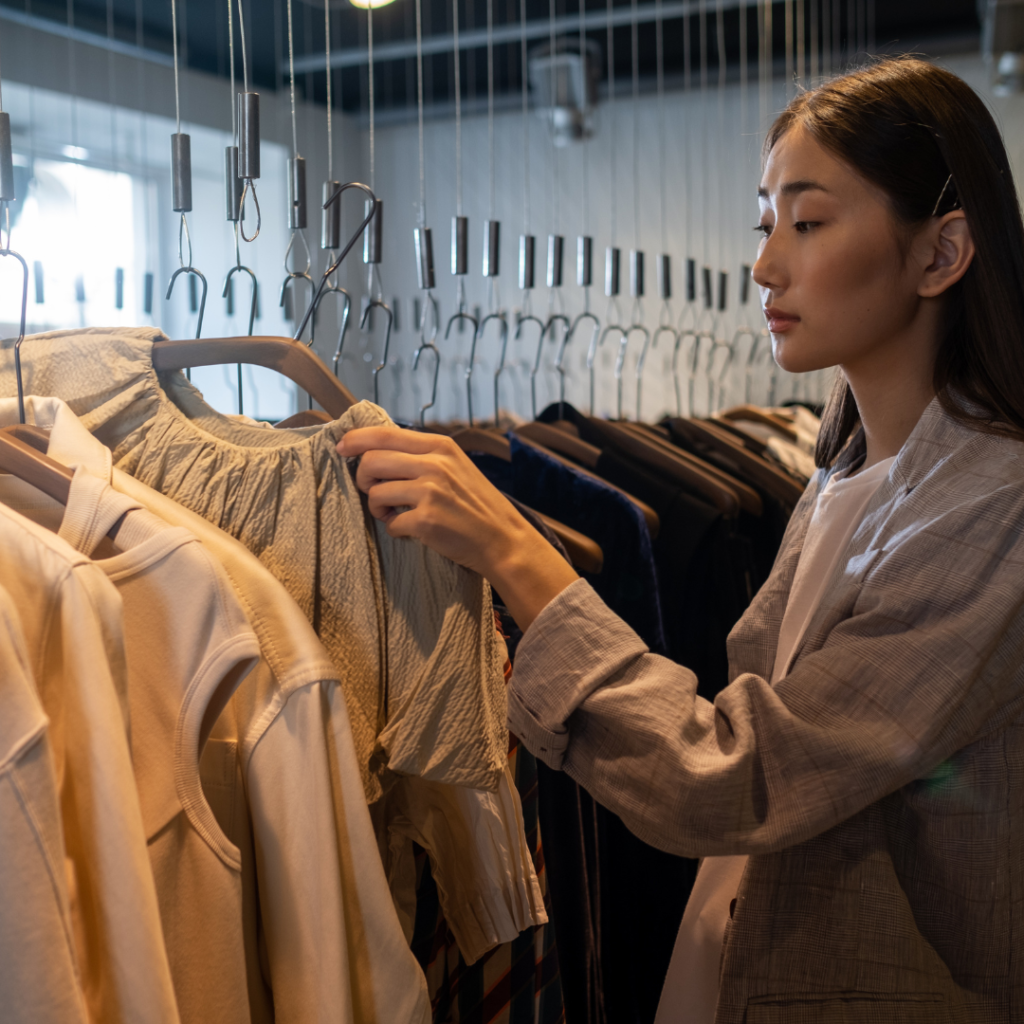
Smart fashion habits contribute to lasting organizational benefits. These habits include regular wardrobe reviews, thoughtful purchasing decisions, proper clothing maintenance, and consistent storage practices.
Wardrobe management becomes more effective when individuals evaluate their clothing periodically. Removing unused items and organizing frequently worn garments helps maintain efficiency over time.
Clothing organization also supports sustainability by encouraging mindful consumption. Instead of making impulsive purchases, individuals focus on acquiring pieces that provide long-term value and compatibility.
Fashion decision making improves when consumers understand their needs and preferences clearly. This awareness reduces unnecessary purchases while strengthening wardrobe functionality.
Smart fashion habits create systems that support both personal organization and financial responsibility. Over time, these practices contribute to a more streamlined and intentional lifestyle.
The cumulative effect of consistent habits often exceeds the impact of occasional large-scale organizational efforts.
Why Fashion Continues to Influence Modern Lifestyle Organization
Modern lifestyles increasingly emphasize efficiency, productivity, and intentional living. Fashion contributes to these goals by providing practical systems that support organization and simplify daily routines.
Fashion as a tool for personal organization aligns with broader trends toward minimalism, mindfulness, and purposeful consumption. Consumers are becoming more interested in quality, functionality, and versatility rather than excessive accumulation.
Wardrobe efficiency reflects this shift by encouraging thoughtful choices that reduce complexity while maintaining personal style. Organized fashion habits help individuals navigate busy schedules with greater ease and confidence.
As technology and societal expectations continue to evolve, the importance of personal organization remains constant. Fashion offers accessible ways to create structure and support daily success.
The enduring relationship between clothing and lifestyle demonstrates that fashion is about more than appearance—it is also about functionality, efficiency, and well-being.
Conclusion
Fashion as a tool for personal organization provides practical benefits that extend far beyond style. Through wardrobe organization, wardrobe planning, efficient decision-making, and smart fashion habits, individuals can simplify daily routines and improve productivity.
An organized wardrobe reduces stress, saves time, and supports greater clarity throughout the day. At the same time, personal style organization encourages intentional choices that align with individual values and lifestyle needs.
As modern life becomes increasingly complex, the value of efficient wardrobe management continues to grow. By viewing fashion as a tool for personal organization rather than merely a form of self-expression, individuals can create systems that support productivity, confidence, and long-term success. Fashion is not only about how people look—it is also about how effectively they manage their time, energy, and daily lives.