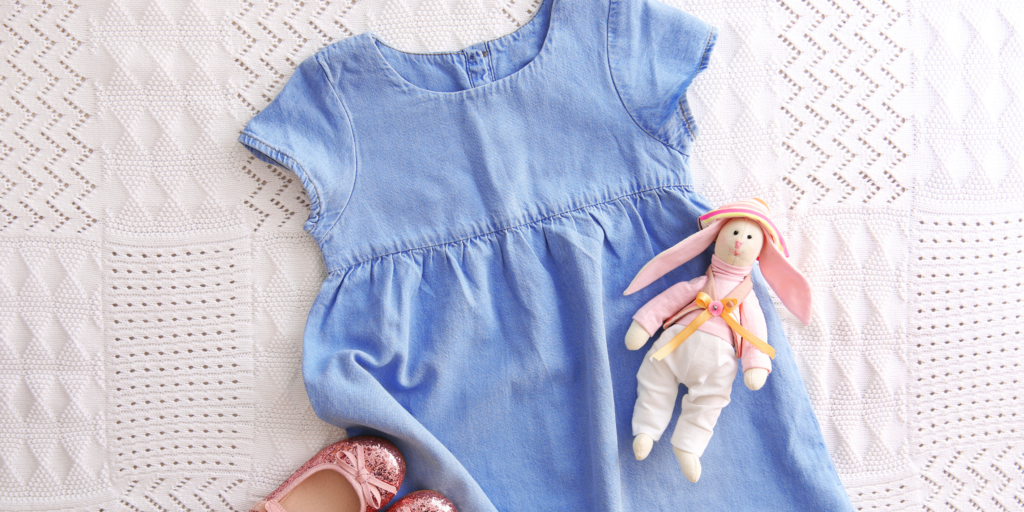
How Social Media Is Influencing Baby Fashion
The world of baby fashion has experienced a remarkable transformation over the last decade, and one of the biggest forces behind this change is social media. What was once a simple industry focused primarily on comfort and practicality has evolved into a dynamic market influenced by digital trends, online communities, parenting influencers, and visual content platforms. Today, social media plays a powerful role in shaping how parents discover, purchase, and style baby clothes.
From Instagram and Pinterest to TikTok and YouTube, social platforms have become virtual fashion hubs where parents explore the latest baby fashion trends, outfit inspirations, seasonal collections, and styling ideas. These platforms have changed the way baby clothing brands market their products and how families make fashion decisions. Modern parents no longer rely solely on physical stores or traditional advertisements. Instead, they turn to social media for recommendations, reviews, and inspiration before purchasing baby fashion products.
The impact of social media on baby fashion extends beyond clothing choices. It influences shopping habits, brand popularity, sustainable fashion awareness, and even parenting culture itself. While this digital influence has created many exciting opportunities, it has also introduced new challenges that require careful consideration. Understanding how social media is influencing baby fashion helps parents make informed choices while navigating a rapidly evolving industry.
The Rise of Social Media in the Baby Fashion Industry
The growth of social media has fundamentally changed the baby fashion industry. Before digital platforms became dominant, fashion trends were largely controlled by magazines, television advertisements, and retail stores. Today, social media allows trends to spread globally within hours.
Parents can instantly discover new baby fashion ideas through photos, videos, and influencer recommendations. A stylish baby outfit posted online can quickly become a viral trend, inspiring thousands of families to explore similar styles. This rapid exchange of ideas has created a highly connected baby fashion community where trends evolve much faster than in previous years.
Baby clothing brands have embraced this shift by investing heavily in digital marketing. Many companies now launch collections directly through social media campaigns, influencer collaborations, and interactive online content. This strategy helps brands connect with modern parents who spend significant time on digital platforms.
The growing influence of social media has made baby fashion more accessible, diverse, and visually driven than ever before.
Instagram’s Powerful Influence on Baby Fashion Trends
Among all social media platforms, Instagram has become one of the most influential spaces for baby fashion. The platform’s visual nature makes it ideal for showcasing stylish baby outfits, coordinated wardrobes, and seasonal fashion trends.
Parents frequently browse Instagram for inspiration when selecting baby clothes. Influencers, parenting bloggers, and fashion-focused families regularly share outfit combinations that highlight current baby fashion trends. These posts often feature carefully styled clothing, matching accessories, and aesthetically pleasing photography that captures attention instantly.
Instagram has also contributed to the popularity of minimalist baby fashion, neutral color palettes, and coordinated family outfits. Trends that gain traction on the platform often influence purchasing decisions across the baby fashion industry.
At the same time, Instagram has helped smaller baby clothing brands gain visibility. Independent businesses can now reach large audiences without relying solely on traditional advertising methods, creating more competition and innovation within the market.
Parenting Influencers Are Shaping Consumer Choices
One of the most significant developments in modern baby fashion is the rise of parenting influencers. These content creators share personal experiences, fashion recommendations, product reviews, and everyday parenting moments with large online audiences.
Parents often trust influencer recommendations because they appear relatable and authentic. When an influencer showcases a stylish baby outfit or recommends a particular baby clothing brand, followers frequently become interested in exploring those products themselves.
This phenomenon has transformed the way baby fashion brands market their collections. Influencer partnerships have become a key promotional strategy because they allow companies to connect directly with target audiences.
However, influencer-driven marketing can also create unrealistic expectations. Some parents may feel pressure to maintain picture-perfect wardrobes or constantly follow the latest fashion trends. While inspiration can be valuable, experts often encourage families to prioritize comfort, practicality, and budget considerations over online appearances.
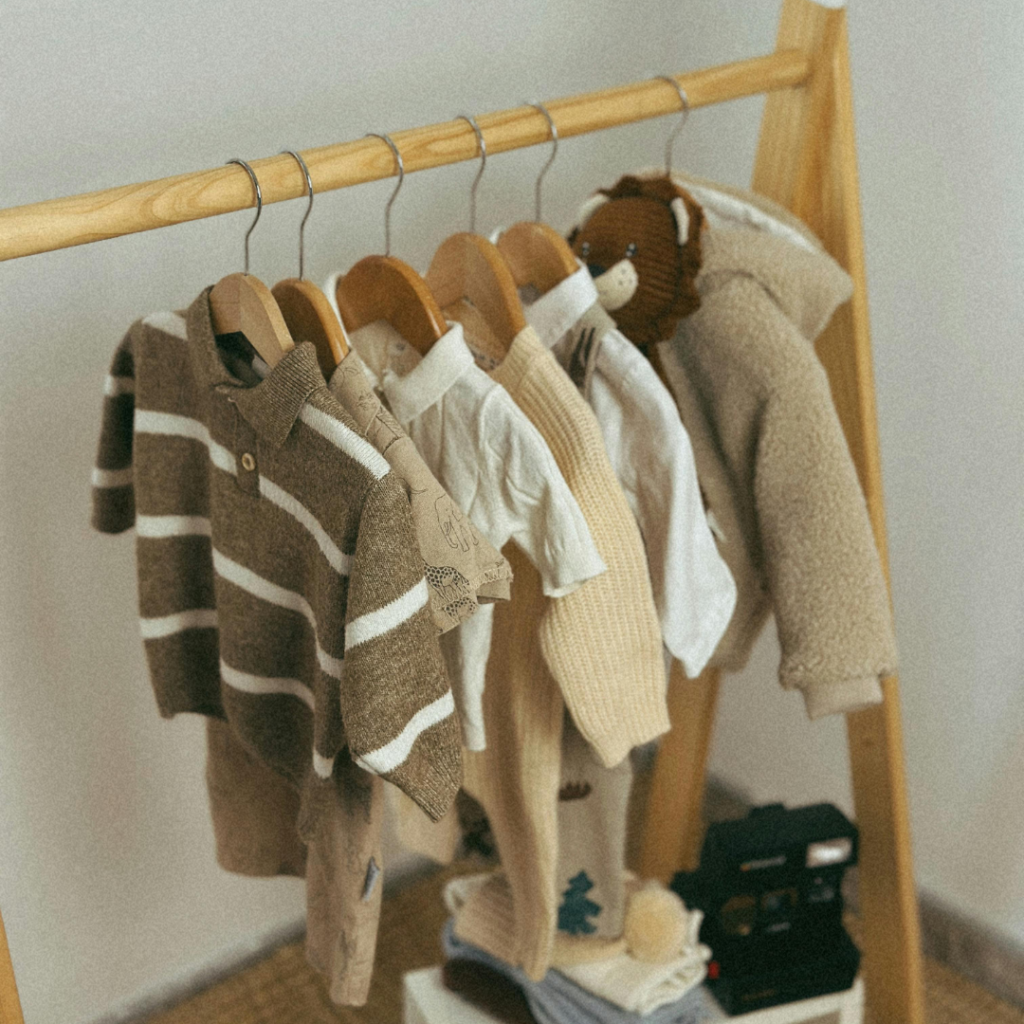
Pinterest and the Growth of Baby Fashion Inspiration
Pinterest has become another major source of baby fashion inspiration. Unlike fast-moving social platforms, Pinterest functions more like a visual search engine where parents can discover and save fashion ideas for future use.
Many families use Pinterest to create mood boards for seasonal wardrobes, birthday outfits, photoshoots, and special occasions. The platform offers endless inspiration for stylish baby outfits, helping parents explore new color combinations, clothing styles, and fashion concepts.
Pinterest has also contributed to the popularity of DIY baby fashion projects and handmade clothing ideas. Parents who enjoy creativity often use the platform to find unique styling approaches that differ from mainstream trends.
The platform’s long-lasting content model means that baby fashion ideas remain discoverable for extended periods, giving trends greater longevity compared to some other social media channels.
Social Media and Online Baby Fashion Shopping
The connection between social media and online shopping has become increasingly strong. Many social platforms now integrate shopping features that allow users to purchase products directly through posts, videos, or advertisements.
This convenience has transformed baby fashion shopping. Parents can move from discovering a stylish outfit to completing a purchase within minutes. As a result, social commerce has become a major force within the baby clothing industry.
Baby fashion brands often use social media advertisements to showcase new collections and seasonal trends. These targeted campaigns help companies reach specific audiences based on interests, parenting status, and shopping behavior.
While social media shopping offers convenience, it also encourages impulse purchases. Parents may sometimes buy trendy baby clothes without fully considering quality, comfort, or long-term value. This is why informed decision-making remains essential when shopping online.
The Rise of Sustainable Baby Fashion Through Social Media
One of the most positive effects of social media is the growing awareness of sustainable baby fashion. Many parenting influencers and environmentally conscious communities use digital platforms to educate families about eco-friendly clothing choices.
Organic baby clothes, recycled fabrics, ethical manufacturing practices, and slow fashion principles have gained significant attention through social media campaigns and educational content. Parents are becoming more aware of how their purchasing decisions affect both their children and the environment.
This increased awareness has encouraged many baby fashion brands to introduce sustainable collections that prioritize quality and responsible production methods. Social media has helped amplify these initiatives, making eco-conscious fashion more visible and accessible.
As sustainability continues gaining momentum, social media will likely remain a powerful tool for promoting environmentally responsible baby fashion practices.
The Pressure of Perfection in Digital Baby Fashion
While social media provides inspiration and valuable information, it can also create unrealistic standards. Perfectly styled baby wardrobes, professionally edited photographs, and carefully curated content may give the impression that every baby should always look fashionable.
Some parents experience unnecessary pressure when comparing their everyday lives to highly polished online images. This can lead to overspending, excessive shopping, or feelings of inadequacy.
Modern parenting experts often encourage a balanced approach. Stylish baby outfits can be enjoyable, but comfort, practicality, and emotional well-being should always remain the primary focus.
The most successful baby fashion choices are those that support a child’s comfort and happiness while reflecting a family’s personal style and values.
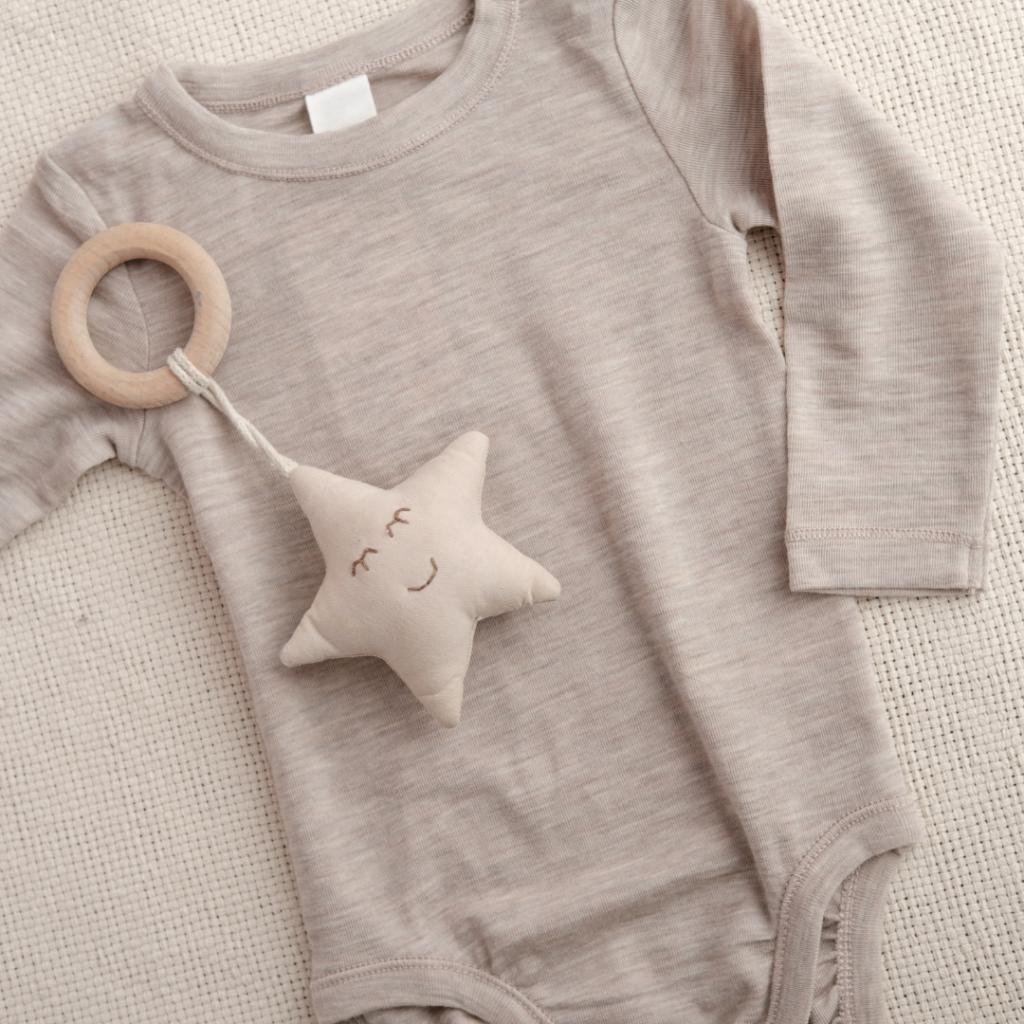
Social Media Is Driving Innovation in Baby Fashion
The constant flow of ideas on social media encourages innovation throughout the baby fashion industry. Brands receive immediate feedback from consumers, helping them understand emerging trends and changing preferences.
Parents increasingly demand clothing that combines style with functionality. This has led to innovations such as organic fabrics, gender-neutral collections, adaptive clothing designs, and sustainable manufacturing practices.
Social media conversations also influence product development. When parents discuss comfort concerns, fabric preferences, or sizing issues online, brands often respond by improving their products.
This direct interaction between consumers and companies has accelerated the pace of innovation, benefiting both families and the baby fashion industry as a whole.
The Future of Social Media and Baby Fashion
The relationship between social media and baby fashion is expected to become even stronger in the coming years. Emerging technologies such as artificial intelligence, virtual shopping experiences, and personalized recommendations will likely transform how parents discover and purchase baby clothes.
Video-based content is becoming increasingly influential, with platforms like TikTok shaping new trends through short-form storytelling and product demonstrations. Digital communities will continue serving as important sources of inspiration, education, and support for modern parents.
At the same time, consumers are becoming more selective about the content they engage with. Authenticity, transparency, and quality are likely to become even more important factors in both baby fashion marketing and purchasing decisions.
Brands that focus on comfort, sustainability, and genuine value will be better positioned to succeed in this evolving landscape.
Conclusion
Social media has undeniably transformed the baby fashion industry, influencing everything from shopping habits and trend discovery to sustainability awareness and brand development. Platforms like Instagram, Pinterest, TikTok, and YouTube have created a highly connected world where parents can access endless fashion inspiration and product recommendations.
While social media offers numerous benefits, including creativity, convenience, and education, it also presents challenges related to consumer pressure and trend-driven spending. The key for modern parents is finding a healthy balance between inspiration and practicality.
The future of baby fashion will continue to be shaped by digital innovation, influencer culture, and evolving consumer values. As social media grows more influential, parents who prioritize comfort, quality, and thoughtful decision-making will be best equipped to navigate the exciting world of modern baby fashion.
Ultimately, the most successful baby fashion choices are not defined by viral trends or perfect photographs but by clothing that helps babies feel comfortable, confident, and free to enjoy every stage of childhood.
You May Also Read
Skincare Tips for People Who Wear Glasses Every Day: A Complete Guide to Healthy, Clear Skin 2026
Skincare Tips for People Who Wear Glasses Every Day Eyeglasses...
Read More
Understanding Hair Growth Cycles: A Complete Guide to Healthy Hair Growth and Scalp Wellness 2026
Understanding Hair Growth Cycles Healthy, vibrant hair is often associated...
Read MoreHair Care After Swimming: The Complete Guide to Healthy, Hydrated, and Strong Hair 2026
Hair Care After Swimming Swimming is one of the most...
Read More