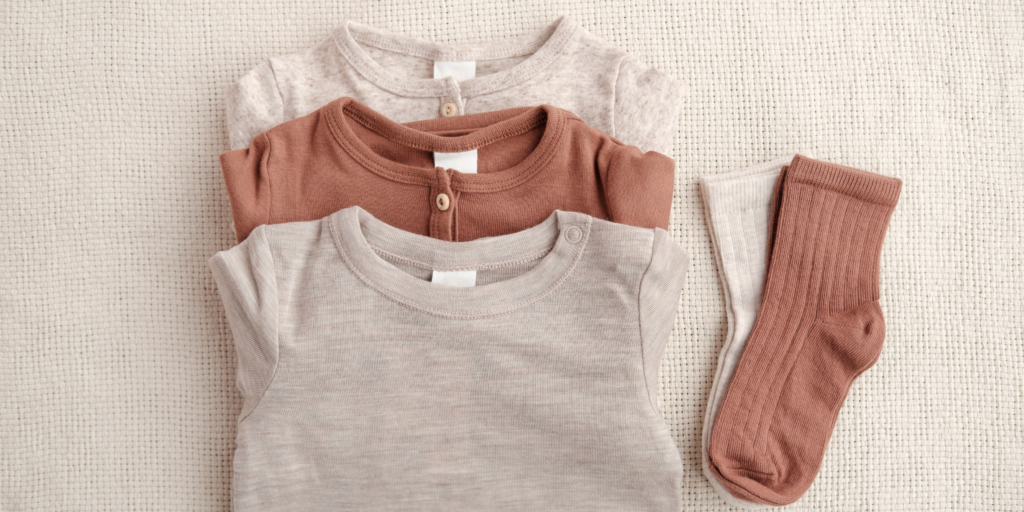
Choosing the Right Fabric for Baby Clothes
When parents shop for baby clothes, the first things they often notice are colors, designs, patterns, and adorable styles. While appearance certainly plays a role in baby fashion, the fabric used in baby clothing is far more important than many people realize. A baby’s skin is significantly more delicate than an adult’s, making fabric selection one of the most important decisions parents can make when building a comfortable and practical wardrobe.
Modern baby fashion is no longer focused solely on appearance. Parents today are increasingly aware of how fabric quality affects comfort, movement, temperature regulation, and overall well-being. As a result, choosing the right fabric for baby clothes has become a major topic among modern families who want clothing that feels soft, breathable, and gentle against sensitive skin.
The baby clothing industry has evolved rapidly over the last decade. Online shopping, parenting communities, and social media have made information more accessible, helping parents understand the importance of fabric composition before making purchases. This growing awareness has encouraged manufacturers to create better baby clothing materials that prioritize comfort, durability, and skin-friendliness.
As baby fashion trends continue developing in 2026, fabric quality remains one of the strongest factors influencing purchasing decisions. Understanding how different fabrics perform can help parents make smarter choices while avoiding clothing that may cause discomfort or irritation.
Why Fabric Matters More Than Style
Baby clothes may look attractive on store shelves or online websites, but appearance alone does not determine whether a garment is suitable for daily use. The fabric directly touches a baby’s skin for many hours every day, influencing comfort, movement, and overall happiness.
Soft baby fabrics help reduce friction and allow babies to move naturally. On the other hand, rough materials may create irritation, discomfort, or restlessness. Because babies cannot verbally communicate these issues, parents often need to observe subtle signs such as fussiness, excessive scratching, or discomfort while wearing certain clothing.
Breathable baby fabrics are especially important because babies are more sensitive to temperature changes than adults. Fabrics that trap heat or restrict airflow may create an unpleasant experience during warm weather, while unsuitable winter materials may fail to provide adequate warmth.
Modern parents increasingly understand that stylish baby clothes should never come at the expense of comfort. This balanced approach is reshaping the baby fashion industry and encouraging brands to focus more heavily on fabric quality.
Organic Cotton Remains the Most Popular Choice
Among all baby clothing materials, organic cotton continues to be one of the most trusted and widely recommended fabrics. Parents appreciate organic cotton baby clothes because they offer softness, breathability, and comfort without relying on harsh chemical treatments.
Organic cotton is produced using environmentally responsible methods that avoid many of the chemicals commonly used in conventional farming. This makes it especially appealing for parents concerned about skin sensitivity and product safety.
One of the biggest advantages of organic cotton baby clothing is its ability to regulate temperature effectively. It helps babies stay cool during warmer months while remaining comfortable when temperatures drop slightly. This versatility makes organic cotton suitable for year-round use.
In addition to comfort, organic cotton tends to remain soft after repeated washing, making it a practical choice for everyday baby wardrobes. Many modern parents consider organic cotton one of the safest and most reliable options available in baby fashion today.
Bamboo Fabric Is Gaining Popularity
Bamboo fabric has emerged as another highly sought-after material in modern baby fashion. Known for its smooth texture and lightweight feel, bamboo fabric is becoming increasingly common in baby clothing collections.
Many parents are drawn to bamboo baby clothes because the material feels exceptionally soft against delicate skin. The fabric is also known for its moisture-management properties, helping babies remain comfortable throughout the day.
Bamboo fabric works particularly well for babies who experience sensitivity to certain materials. Its gentle texture often appeals to families seeking alternatives to conventional fabrics while maintaining comfort and breathability.
The growing interest in sustainable baby fashion has also contributed to bamboo’s popularity. Many consumers view bamboo as an environmentally conscious option that aligns with eco-friendly parenting values.
As awareness continues growing, bamboo baby clothing is expected to become an even more important part of the baby fashion industry.
Why Breathability Is Essential for Baby Clothes
One of the most important qualities parents should look for when choosing the right fabric for baby clothes is breathability. Babies naturally regulate body temperature differently from adults, making airflow an essential consideration.
Breathable baby fabrics allow heat and moisture to escape more easily, helping babies remain comfortable during various weather conditions. This becomes especially important during warmer months when excessive heat may create restlessness or discomfort.
Cotton, bamboo, muslin, and lightweight linen blends are among the most breathable baby clothing materials available. These fabrics help create a comfortable environment by reducing the likelihood of overheating.
Poorly ventilated fabrics may create an unpleasant experience for babies, especially during extended wear. Parents increasingly avoid synthetic materials that feel heavy or trap moisture because these fabrics can negatively affect comfort.
Modern baby fashion collections increasingly prioritize breathable fabrics because comfort-driven design has become one of the strongest industry trends.
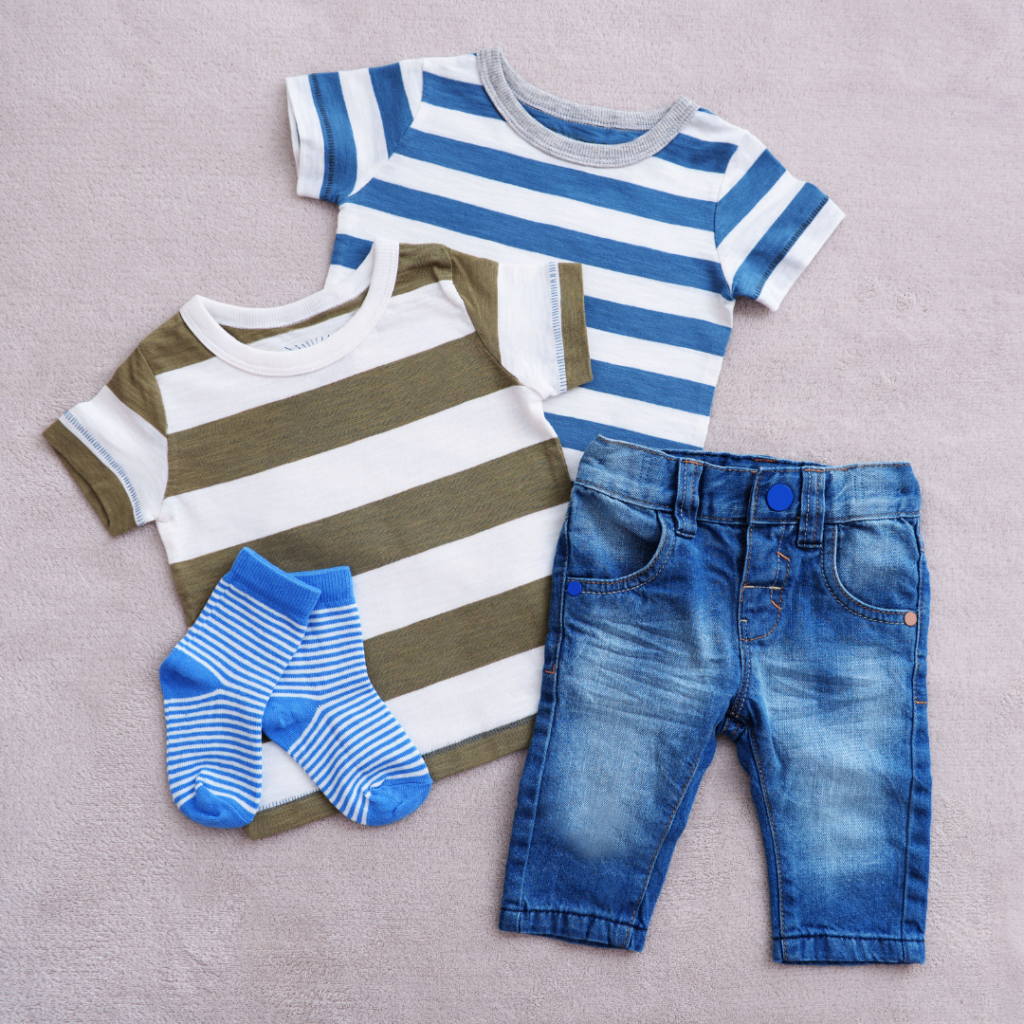
Muslin: A Lightweight Favorite for Babies
Muslin has become a favorite fabric among parents who value softness and breathability. This loosely woven cotton fabric feels exceptionally light, making it ideal for warm climates and seasonal baby clothing.
Muslin baby clothes are especially popular during spring and summer because they allow excellent airflow while remaining gentle against sensitive skin. The fabric often becomes softer with each wash, increasing comfort over time.
Parents frequently choose muslin for swaddles, rompers, lightweight dresses, and everyday essentials. Its natural texture creates a relaxed appearance while maintaining practical functionality.
The popularity of muslin reflects broader trends toward simple, comfortable, and natural baby clothing materials. As more families prioritize comfort-focused fashion, muslin continues gaining recognition as a valuable wardrobe staple.
Understanding Synthetic Fabrics
While natural materials dominate many baby fashion conversations, synthetic fabrics still appear in numerous baby clothing collections. Polyester, nylon, and blended materials are often used because they can improve durability, wrinkle resistance, and affordability.
However, parents should carefully evaluate synthetic fabrics before making purchasing decisions. Some synthetic materials may feel less breathable than natural alternatives, potentially creating discomfort during extended wear.
This does not mean all synthetic fabrics should be avoided entirely. Many modern baby garments successfully combine natural and synthetic fibers to achieve better durability while maintaining acceptable comfort levels.
The key is understanding the balance between practicality and comfort. Parents increasingly prefer clothing where synthetic elements support performance without compromising softness or breathability.
Making informed decisions helps families identify products that offer both value and comfort.
Seasonal Fabric Choices Matter
Different seasons often require different fabric considerations. During summer, lightweight and breathable baby fabrics become essential for maintaining comfort. Cotton, bamboo, and muslin are particularly effective because they help promote airflow.
Winter baby clothing often incorporates slightly heavier materials such as fleece-lined cotton or soft knit fabrics that provide additional warmth. However, even winter fabrics should remain gentle and breathable enough to prevent overheating.
Spring and autumn often require versatile materials that adapt well to changing temperatures. Layering becomes especially important during these seasons, making fabric flexibility a valuable feature.
Understanding seasonal requirements allows parents to build practical wardrobes that support comfort throughout the year.
Modern baby fashion increasingly emphasizes adaptable clothing choices rather than relying solely on seasonal trends.
Sustainable Baby Fashion and Fabric Selection
Sustainability has become one of the strongest influences in the baby clothing industry. Parents today are more conscious about environmental impact and increasingly seek fabrics produced through responsible methods.
Organic cotton, bamboo, recycled fibers, and ethically sourced materials are becoming more common in baby fashion collections. These fabrics appeal to families who want high-quality products while supporting environmentally friendly practices.
Sustainable baby clothing often focuses on durability as well as comfort. Longer-lasting garments help reduce waste while providing better value for parents.
The shift toward eco-conscious fashion reflects broader changes in consumer behavior. Families increasingly prioritize thoughtful purchases that align with both personal values and practical needs.
As sustainability continues shaping the future of baby fashion, fabric selection will remain an important part of responsible shopping decisions.
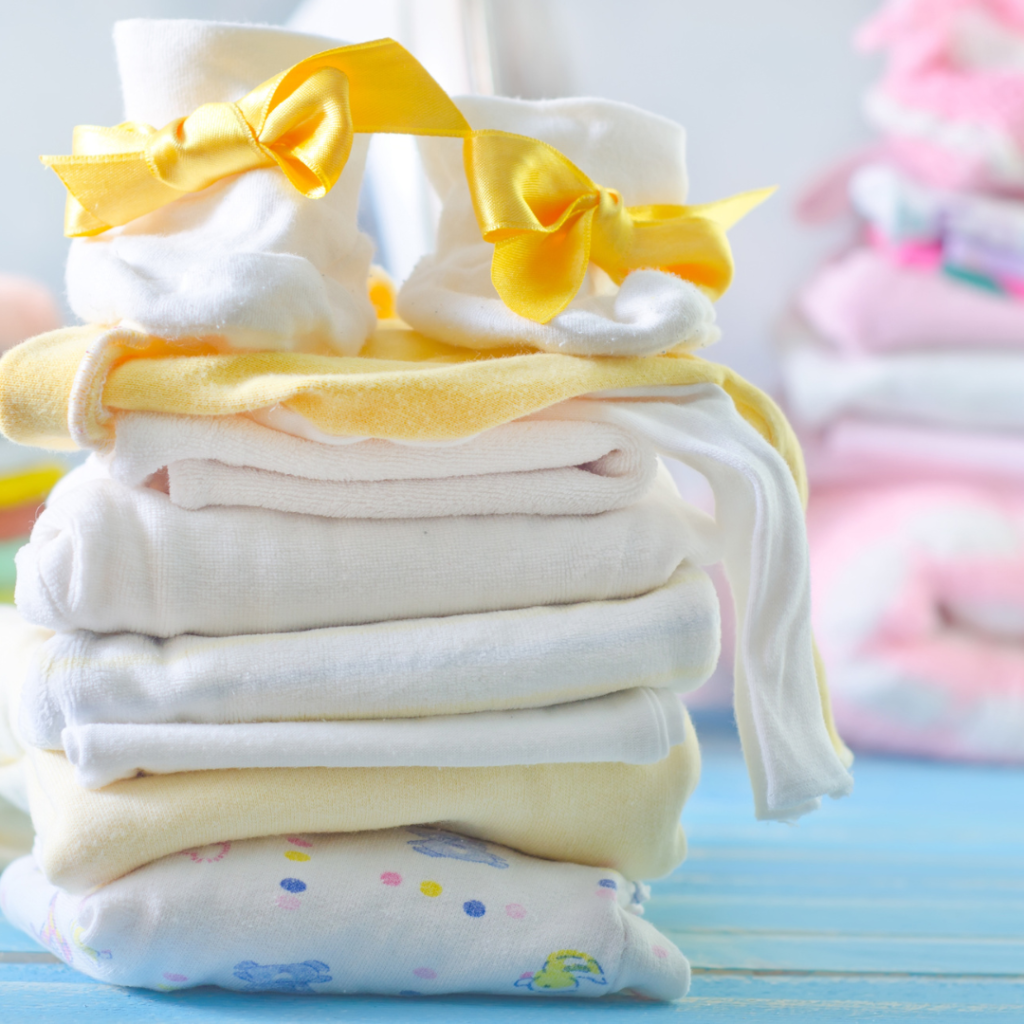
Common Fabric Mistakes Parents Should Avoid
One common mistake is purchasing baby clothes based solely on appearance. Attractive designs may initially capture attention, but fabric quality ultimately determines everyday comfort.
Another issue is overlooking garment labels. Understanding fabric composition helps parents make informed decisions and avoid materials that may not suit their baby’s needs.
Choosing fabrics that are difficult to wash or maintain can also create unnecessary challenges. Babies require frequent outfit changes, making durability and ease of care important considerations.
Parents who focus exclusively on trends may sometimes overlook practical factors such as breathability, softness, and long-term comfort. A balanced approach generally leads to better purchasing decisions.
Modern baby fashion encourages thoughtful shopping habits that prioritize comfort alongside style.
The Future of Baby Clothing Fabrics
The future of baby fashion is increasingly centered around innovation, sustainability, and comfort. Fabric technology continues evolving, introducing materials designed to improve softness, temperature regulation, and durability.
Organic baby clothing is expected to become even more popular as awareness grows regarding environmental responsibility and skin-friendly materials. Consumers are increasingly willing to invest in higher-quality fabrics that provide long-term benefits.
Fashion brands are also exploring new sustainable production methods and eco-friendly materials that reduce environmental impact while maintaining exceptional comfort standards.
As these developments continue, parents will have access to an even wider range of advanced baby clothing fabrics designed specifically for modern lifestyles.
Choosing the right fabric for baby clothes remains one of the most important decisions parents can make when building a wardrobe. While stylish designs and fashionable trends may attract attention, fabric quality ultimately determines how comfortable and practical a garment will be.
From organic cotton and bamboo to muslin and sustainable materials, today’s baby fashion industry offers numerous options that support comfort, breathability, and everyday wear. By focusing on soft, skin-friendly fabrics, parents can create wardrobes that help babies feel comfortable, happy, and free to explore the world around them.
As baby fashion continues evolving, quality fabrics will remain the foundation of every well-designed baby wardrobe, ensuring that style and comfort work together to support healthy and enjoyable childhood experiences.
You May Also Read
Skincare Tips for People Who Wear Glasses Every Day: A Complete Guide to Healthy, Clear Skin 2026
Skincare Tips for People Who Wear Glasses Every Day Eyeglasses...
Read More
Understanding Hair Growth Cycles: A Complete Guide to Healthy Hair Growth and Scalp Wellness 2026
Understanding Hair Growth Cycles Healthy, vibrant hair is often associated...
Read MoreHair Care After Swimming: The Complete Guide to Healthy, Hydrated, and Strong Hair 2026
Hair Care After Swimming Swimming is one of the most...
Read More