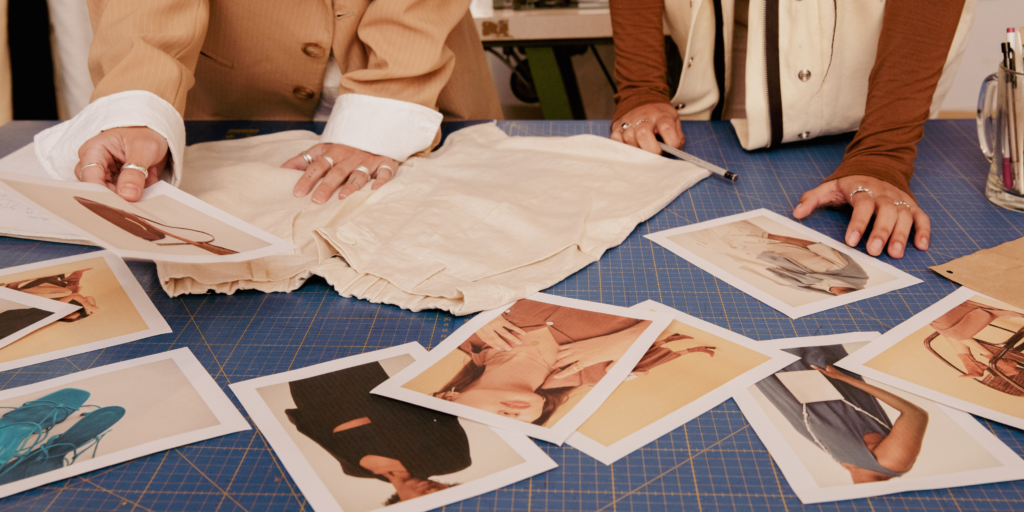
How Fashion Inspires New Ways of Thinking
Fashion is often associated with clothing, trends, and personal appearance, yet its influence extends far beyond what people wear. Throughout history, fashion has served as a catalyst for creativity, innovation, and cultural transformation. It has challenged conventions, introduced fresh perspectives, and encouraged individuals to explore ideas that go beyond traditional boundaries. Today, fashion continues to shape how people think, create, and interact with the world around them. The connection between fashion creativity and new ways of thinking has become increasingly relevant in a society driven by innovation and self-expression.
At its core, fashion is a reflection of change. Designers constantly reinterpret familiar concepts, consumers experiment with personal style, and brands seek new ways to communicate their identity. This ongoing evolution encourages people to embrace different viewpoints and reconsider established norms. Fashion inspiration often emerges from unexpected places, including art, architecture, technology, nature, and cultural experiences. As a result, the fashion industry has become a powerful source of creative thinking and intellectual exploration.
The ability of fashion to inspire new ways of thinking lies in its unique combination of imagination and practicality. While clothing serves functional purposes, it also communicates ideas, emotions, and aspirations. Fashion encourages individuals to view challenges differently, express themselves authentically, and explore possibilities that might otherwise remain unnoticed. Understanding this influence reveals why fashion remains one of the most innovative and thought-provoking industries in the modern world.
Fashion Creativity as a Driver of Innovation
Fashion creativity plays a central role in shaping new ideas. Unlike industries that rely heavily on routine processes, fashion thrives on experimentation and reinvention. Designers continually search for fresh concepts that challenge expectations and inspire audiences.
Every collection begins with a creative vision. Designers explore colors, materials, silhouettes, and cultural influences to create something distinctive. This process requires imagination, problem-solving, and the willingness to take risks. The ability to transform inspiration into wearable designs demonstrates how fashion innovation emerges from creative thinking.
Fashion trends and innovation often develop through unconventional approaches. A designer may draw inspiration from technology, environmental concerns, historical movements, or global cultures. By combining seemingly unrelated influences, fashion creates new perspectives that encourage audiences to think differently.
However, innovation is not always met with immediate acceptance. New ideas can sometimes face skepticism or resistance before gaining recognition. Despite these challenges, the fashion industry continues to embrace experimentation because creativity remains essential for progress.
This commitment to innovation helps explain why fashion consistently introduces fresh concepts that influence both personal style and broader cultural conversations.
How Fashion Encourages Creative Thinking
Creative thinking through fashion extends beyond professional designers. Everyday consumers also engage in creative processes when selecting clothing, developing personal style, and interpreting trends. Fashion provides opportunities to experiment with identity and self-expression in ways that encourage originality.
Personal style creativity begins with choice. Individuals combine garments, accessories, and colors to create looks that reflect their personality and lifestyle. This process involves imagination and decision-making, helping people develop confidence in their creative instincts.
Fashion inspiration often encourages individuals to view familiar items differently. A single garment can be styled in multiple ways, demonstrating how creativity can emerge from existing resources. This mindset promotes flexibility and adaptability, qualities that are valuable in many areas of life.
The ability to think creatively is particularly important in a rapidly changing world. Fashion encourages people to embrace change rather than fear it. By experimenting with new styles and ideas, individuals become more comfortable exploring unfamiliar possibilities.
At the same time, creative expression through fashion should remain authentic. While trends can provide inspiration, genuine creativity often emerges when individuals adapt influences to suit their own preferences and experiences.
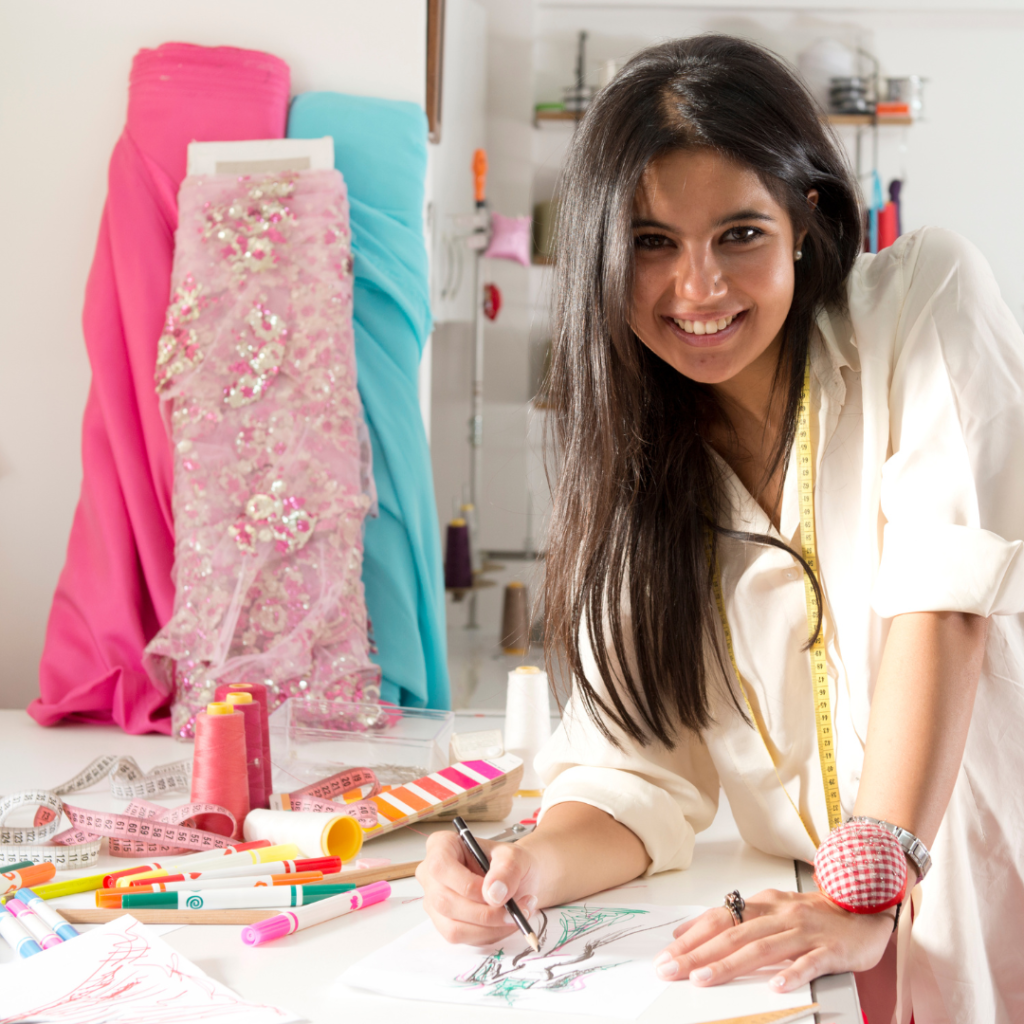
Fashion as a Reflection of Cultural Change
Fashion has long served as a mirror of society. Throughout history, clothing has reflected social movements, technological advancements, economic conditions, and cultural values. This relationship between fashion and culture demonstrates how clothing can inspire broader conversations and new ways of thinking.
Fashion influence extends beyond personal appearance because it often reflects collective experiences. Designers and brands frequently respond to social issues, environmental concerns, and emerging lifestyles through their collections. These responses encourage audiences to consider new perspectives and engage with important topics.
The creative fashion industry often acts as a bridge between tradition and innovation. Cultural heritage inspires many modern designs, while contemporary techniques introduce fresh interpretations. This balance allows fashion to preserve history while encouraging progress.
Fashion inspiration can also promote cultural understanding. Exposure to diverse styles and influences helps individuals appreciate different traditions and viewpoints. This exchange of ideas enriches creativity and encourages open-minded thinking.
While cultural influence can generate positive dialogue, it also requires sensitivity and respect. Responsible fashion innovation involves recognizing the significance of cultural elements and incorporating them thoughtfully.
The Connection Between Fashion and Personal Growth
Fashion and personal growth are closely linked because both involve continuous evolution. As individuals gain new experiences, their preferences, priorities, and perspectives often change. Fashion provides a visible way to reflect these internal developments.
A fashion mindset encourages self-awareness and exploration. People who experiment with personal style frequently discover new aspects of their identity. This process supports confidence and helps individuals better understand their values and aspirations.
Fashion self-expression allows individuals to communicate who they are without relying solely on words. Clothing becomes a visual representation of personal growth, creativity, and individuality. As style evolves, it often reflects changes in mindset and life experiences.
The willingness to explore different fashion choices can also strengthen adaptability. Trying new styles requires openness to change and a willingness to step outside familiar routines. These qualities often contribute to personal development and resilience.
However, personal growth through fashion should focus on authenticity rather than comparison. Constantly seeking validation from others may create uncertainty and distract from genuine self-discovery. The most meaningful fashion journeys are rooted in self-expression and personal confidence.
How Fashion Innovation Influences Other Industries
The impact of fashion innovation extends far beyond clothing. Many industries draw inspiration from fashion’s creative processes and ability to anticipate change. Technology, marketing, design, entertainment, and even business strategy have been influenced by concepts that originated within the fashion world.
Fashion design inspiration often encourages cross-industry collaboration. Designers work with architects, engineers, artists, and technology experts to develop innovative products and experiences. These partnerships demonstrate how creative thinking can generate solutions that benefit multiple fields.
Fashion trends and innovation frequently introduce ideas that later become mainstream in other sectors. Sustainable materials, digital experiences, and personalized consumer interactions are examples of concepts that have gained momentum through fashion before expanding into broader markets.
The industry’s ability to combine aesthetics with functionality serves as a valuable model for innovation. Fashion encourages businesses to think creatively about how products can meet practical needs while also creating emotional connections.
This influence highlights the broader significance of fashion as a source of inspiration and forward-thinking ideas.
The Role of Fashion in Building a Creative Lifestyle
Fashion lifestyle choices often reflect broader attitudes toward creativity and self-expression. Individuals who view fashion as more than clothing are often more willing to explore new ideas and embrace innovation in other aspects of life.
A creative lifestyle involves curiosity, experimentation, and a willingness to challenge routine thinking. Fashion supports these qualities by encouraging individuals to make intentional choices and express their unique perspective.
Fashion creativity can inspire innovation in everyday activities. From home design and personal branding to career development and artistic pursuits, the confidence gained through creative self-expression often extends beyond wardrobe decisions.
Fashion inspiration also encourages observation. People become more aware of colors, textures, patterns, and cultural influences in their surroundings. This heightened awareness contributes to a richer creative experience and a deeper appreciation for design.
The ability to draw inspiration from everyday life demonstrates how fashion can influence thinking far beyond personal appearance.

Why Fashion Continues to Shape New Perspectives
Fashion remains one of the most dynamic sources of creative inspiration because it is constantly evolving. Trends change, technologies advance, and cultural influences shift, creating endless opportunities for innovation and fresh ideas.
Fashion and creativity thrive in environments where experimentation is encouraged. The industry’s willingness to challenge conventions and explore new possibilities inspires individuals to approach problems differently and embrace original thinking.
The relationship between fashion inspiration and personal development continues to grow as consumers seek authenticity and meaningful self-expression. Fashion provides a platform for exploring identity while encouraging curiosity and imagination.
Although fashion may sometimes face criticism for its fast-paced nature or changing trends, its ability to inspire new ways of thinking remains one of its greatest strengths. The industry continues to demonstrate that creativity and innovation are essential for growth and progress.
Conclusion
Fashion inspires new ways of thinking by encouraging creativity, innovation, self-expression, and personal growth. Through fashion creativity, fashion inspiration, and fashion innovation, individuals gain opportunities to explore fresh perspectives and challenge conventional ideas.
The influence of fashion extends far beyond clothing. It shapes mindsets, inspires cultural conversations, supports personal development, and encourages creative problem-solving. Whether through personal style creativity or participation in the broader creative fashion industry, fashion continues to inspire individuals to think differently and embrace new possibilities.
As trends evolve and society changes, fashion will remain a powerful source of inspiration. Its ability to combine imagination with practicality ensures that it continues to influence how people express themselves, approach challenges, and discover innovative ways of thinking.