
Why Fashion Remains One of the Most Dynamic Creative Industries
Fashion has always been more than clothing. It represents culture, creativity, innovation, identity, and economic influence all at once. While many industries evolve gradually over time, the fashion industry moves at an extraordinary pace, constantly adapting to changing consumer preferences, emerging technologies, social movements, and global influences. This ability to reinvent itself repeatedly is one of the main reasons fashion remains one of the most dynamic creative industries in the world.
Every season introduces fresh perspectives, innovative designs, and new interpretations of personal style. Designers continuously challenge traditional boundaries, brands explore modern business models, and consumers actively influence trends through digital platforms. The result is a creative fashion industry that rarely stands still. Unlike industries that rely heavily on stability and routine, fashion thrives on transformation, experimentation, and originality.
The global fashion industry impacts millions of people, from designers and manufacturers to marketers, retailers, content creators, and consumers. Its influence extends beyond wardrobes into entertainment, technology, sustainability, and business innovation. This remarkable ability to connect creativity with commerce has helped fashion maintain its position as one of the world’s most vibrant industries.
The Constant Evolution of Fashion Trends
One of the defining characteristics of the fashion industry is its continuous evolution. Trends emerge, gain popularity, and eventually make way for new influences. This cycle creates an environment where creativity remains essential for survival and success.
Fashion trends are shaped by a variety of factors, including culture, music, art, technology, social media, and global events. What is considered stylish today may look completely different a year later. This constant movement keeps the creative fashion industry exciting and relevant.
Designers are continually exploring new concepts, fabrics, colors, and silhouettes to meet changing consumer expectations. This process fuels fashion innovation and encourages brands to develop unique collections that capture attention. The industry’s ability to adapt quickly creates opportunities for fresh ideas while preventing stagnation.
However, rapid change also creates challenges. Brands that fail to evolve may struggle to remain competitive, while consumers can sometimes feel overwhelmed by the speed of trend cycles. Despite these difficulties, constant evolution remains one of the key reasons why fashion continues to thrive as a dynamic creative industry.
Fashion as a Platform for Creative Expression
Creativity lies at the heart of every successful fashion brand. Fashion provides designers with a powerful platform for storytelling, artistic exploration, and self-expression. Unlike many industries that focus primarily on functionality, fashion combines practical purpose with emotional and visual impact.
Every garment begins as an idea. Designers transform inspiration into wearable creations that communicate messages, emotions, and cultural influences. This creative process allows fashion to function as both an industry and an art form.
Fashion creativity extends beyond clothing design. It influences photography, advertising, visual merchandising, runway presentations, digital content, and brand identity. Each element contributes to the overall experience consumers associate with a fashion brand.
The creative freedom within the fashion design industry encourages experimentation. Designers often challenge traditional norms by introducing unconventional materials, innovative construction techniques, and unexpected design concepts. These creative risks help drive industry progress and inspire future trends.
At the same time, not every experiment succeeds. Some concepts may receive criticism or fail to resonate with consumers. Nevertheless, the willingness to explore new possibilities remains a defining characteristic of the fashion industry.
The Impact of Technology on Fashion Innovation
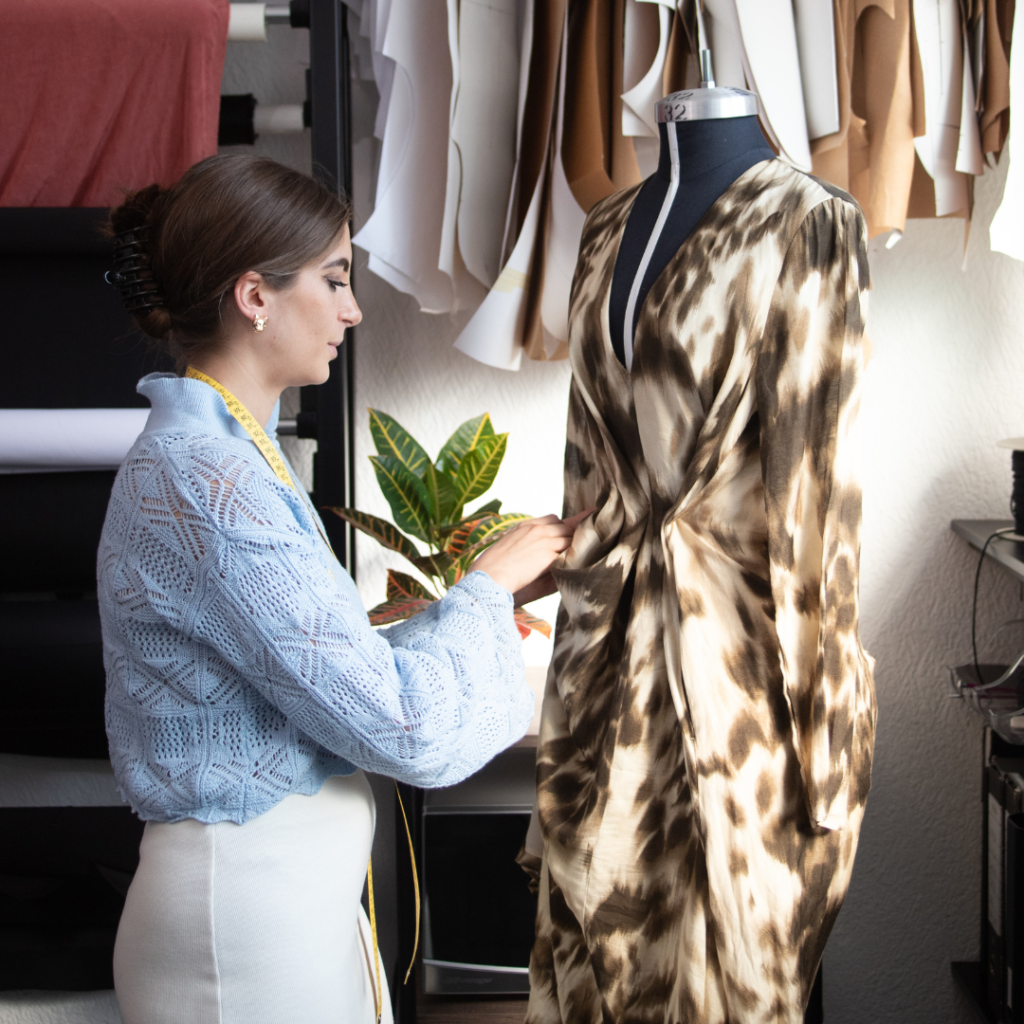
Technology has transformed nearly every aspect of the global fashion industry. From design software and digital manufacturing to artificial intelligence and virtual fashion shows, technology continues to reshape how fashion is created, marketed, and consumed.
Fashion technology has accelerated innovation by enabling designers to experiment more efficiently. Advanced tools allow brands to visualize collections, test designs, and streamline production processes before creating physical samples. This reduces waste while increasing creative flexibility.
Digital platforms have also revolutionized fashion marketing. Social media enables brands to connect directly with audiences, gather feedback, and identify emerging trends in real time. Consumers now play an active role in shaping the future of fashion by influencing purchasing decisions and trend development.
Virtual reality, augmented reality, and digital fashion experiences are further expanding creative possibilities. These innovations create exciting opportunities for brands to engage customers in immersive ways while exploring entirely new business models.
While technological advancement offers tremendous benefits, it also introduces competitive pressure. Brands must continually adapt to new tools and consumer expectations to remain relevant. This balance between opportunity and challenge contributes to the industry’s dynamic nature.
The Growing Influence of Sustainable Fashion
Sustainability has become one of the most significant forces shaping the future of fashion. As consumers become increasingly aware of environmental concerns, brands are under greater pressure to adopt responsible practices and reduce their ecological footprint.
Sustainable fashion encourages innovation by challenging traditional production methods. Designers and manufacturers are exploring eco-friendly fabrics, ethical sourcing practices, and circular fashion models that prioritize long-term value over short-term consumption.
This shift has sparked a wave of creativity throughout the fashion industry. Brands are discovering new ways to combine style, functionality, and environmental responsibility without compromising quality or design appeal.
The transition toward sustainability is not without obstacles. Some businesses face higher production costs, while consumers may encounter limited availability or increased prices. Despite these challenges, sustainable fashion continues to drive meaningful innovation and influence purchasing decisions worldwide.
The industry’s willingness to address environmental concerns demonstrates its adaptability and commitment to long-term growth. This ongoing transformation reinforces fashion’s position as one of the most forward-thinking creative industries.
The Global Cultural Influence of Fashion
Fashion serves as a powerful reflection of culture and society. Throughout history, clothing has been used to express identity, communicate values, and celebrate heritage. Today, the global fashion industry continues to draw inspiration from diverse cultures while influencing trends across international markets.
Fashion culture evolves through collaboration and cultural exchange. Designers often incorporate traditional elements into contemporary collections, creating unique interpretations that resonate with modern audiences. These influences enrich the industry and contribute to its creative diversity.
Global connectivity has accelerated the spread of fashion trends. Social media platforms, international fashion weeks, and digital marketplaces allow ideas to travel instantly across borders. Consumers can discover styles from different regions and incorporate them into their personal wardrobes.
This cultural interaction creates endless opportunities for innovation while fostering greater appreciation for diversity. At the same time, it requires brands to approach cultural influences thoughtfully and respectfully to avoid misunderstandings or controversy.
The ability to connect creativity with cultural storytelling remains one of fashion’s greatest strengths and a major reason why it continues to evolve.
Fashion Entrepreneurship and Business Innovation
The fashion industry is not solely driven by designers. Entrepreneurs, marketers, retailers, influencers, and technology experts all contribute to its growth and transformation. This diverse ecosystem encourages innovation across multiple areas of business.
Fashion entrepreneurship has expanded significantly with the rise of e-commerce and digital marketing. New brands can now reach global audiences without relying exclusively on traditional retail channels. This accessibility has lowered barriers to entry and created opportunities for emerging talent.
Fashion business models continue to evolve in response to changing consumer behavior. Subscription services, direct-to-consumer brands, resale platforms, and digital marketplaces have transformed how products are sold and experienced.
Innovation in fashion marketing has also played a crucial role. Brands increasingly rely on storytelling, influencer partnerships, and interactive content to build meaningful relationships with customers. These strategies help maintain engagement in an increasingly competitive market.
The constant search for new business opportunities contributes to the industry’s dynamic character and ensures ongoing growth.
The Future of Fashion Continues to Inspire
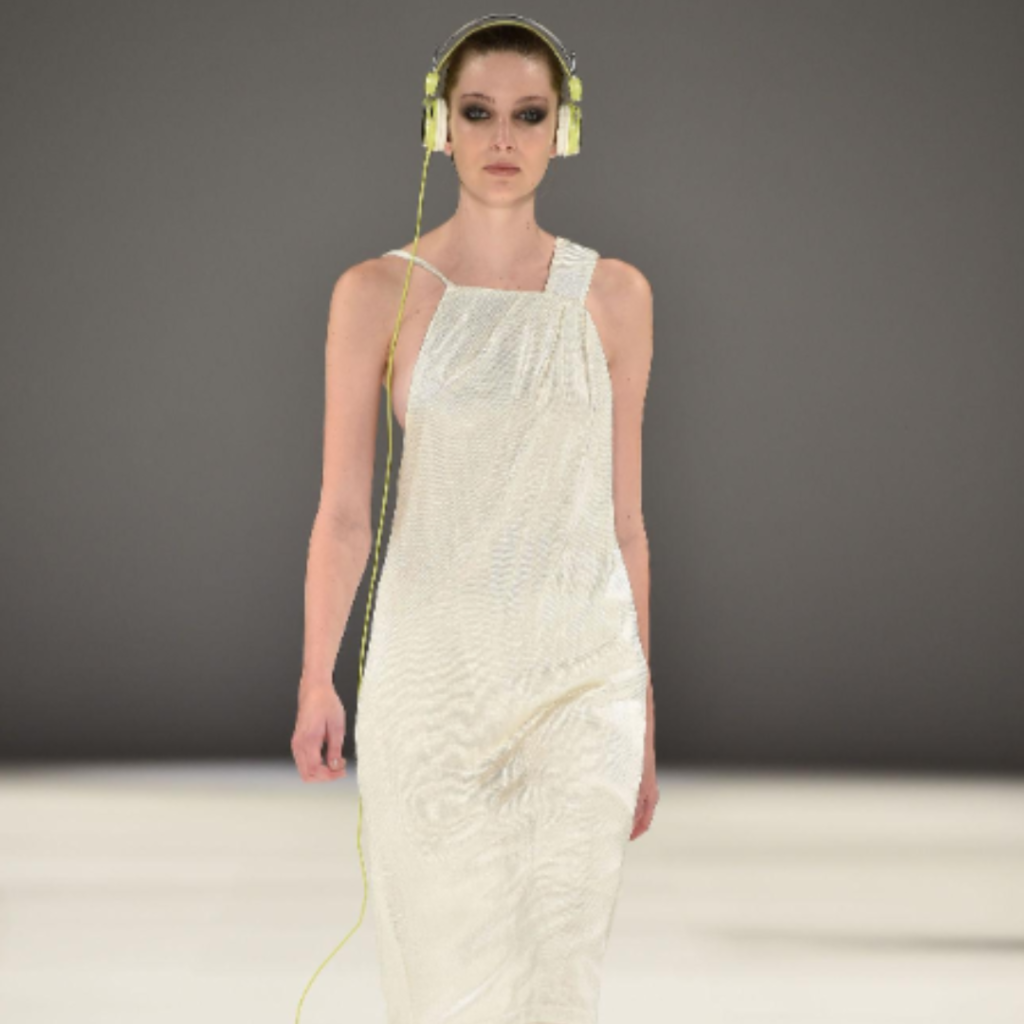
Looking ahead, the future of fashion appears more exciting than ever. Emerging technologies, sustainability initiatives, consumer-driven trends, and creative experimentation will continue to shape the industry in unexpected ways.
Fashion innovation is likely to expand through artificial intelligence, smart textiles, digital garments, and personalized shopping experiences. These developments will create new opportunities for designers, businesses, and consumers alike.
At the same time, growing awareness of environmental and social issues will encourage brands to prioritize responsible practices. This balance between creativity and accountability will play a significant role in defining the next chapter of the global fashion industry.
The industry’s ability to embrace change while preserving its creative essence ensures that fashion will remain relevant for generations to come.
Conclusion
Fashion remains one of the most dynamic creative industries because it continuously evolves, adapts, and reinvents itself. From fashion innovation and technological advancement to sustainability and cultural influence, the industry thrives on creativity and transformation. Its ability to combine artistic expression with business opportunity creates a unique environment where fresh ideas flourish.
As trends shift, technologies advance, and consumer expectations evolve, the fashion industry continues to demonstrate remarkable resilience and imagination. The future of fashion promises even greater opportunities for innovation, making it one of the most exciting and influential creative industries in the modern world.