
Why Fashion Consumers Prefer Personalized Clothing Experiences
Fashion has evolved far beyond simple clothing purchases. Today’s consumers are no longer satisfied with generic shopping experiences or mass-produced fashion that feels identical for everyone. Modern buyers increasingly want fashion that reflects individuality, personality, comfort, and emotional connection. Because of these changing expectations, personalized clothing experiences have become one of the most powerful trends transforming the global fashion industry. Understanding why fashion consumers prefer personalized clothing experiences is now essential for brands trying to remain relevant in an increasingly competitive and digital fashion market.
The modern fashion customer wants more than trendy outfits. People now seek experiences that feel unique, customized, and emotionally engaging. From AI-based style recommendations and custom-fit clothing to personalized online shopping and made-to-order fashion, brands are rapidly adapting to consumer demand for individuality and convenience.
Social media, digital culture, influencer trends, and changing lifestyle preferences have all contributed to this shift. Consumers today constantly see personalized content online, making them expect the same level of customization from fashion brands as well.
At the same time, fashion consumers are becoming more emotionally connected to self-expression. Clothing is no longer viewed only as practical wear. It has become part of identity, confidence, creativity, and lifestyle representation.
The rise of fashion personalization technology reflects how deeply consumer behavior in fashion is changing. Brands now use artificial intelligence, customer data, style quizzes, shopping history, and virtual styling systems to create tailored experiences that feel more personal and relevant.
However, this growing demand for customization also creates challenges related to privacy, overconsumption, unrealistic expectations, and digital dependency within the fashion industry.
Personalized Fashion Reflects Individual Identity
One of the biggest reasons why fashion consumers prefer personalized clothing experiences is because modern buyers want clothing that feels connected to personal identity.
Fashion has become a form of self-expression where people communicate personality, confidence, creativity, and social image through style choices. Generic clothing often feels emotionally disconnected in a world where individuality matters increasingly.
Personalized fashion trends allow consumers to select colors, fits, fabrics, patterns, embroidery, and styling preferences that match their own tastes instead of following standard mass-market designs.
Consumers today appreciate brands that understand their preferences and create experiences tailored specifically to their lifestyle and fashion personality.
Custom clothing experiences also create stronger emotional attachment because shoppers feel more involved in the design or selection process.
At the same time, excessive focus on personal identity through fashion may sometimes increase social comparison and emotional pressure related to appearance and online validation.
Digital Technology Is Transforming Fashion Personalization
Technology has played a major role in the rise of personalized shopping in fashion. Artificial intelligence, machine learning, virtual fitting systems, and digital customer analysis now allow brands to deliver highly customized shopping experiences.
AI fashion recommendations study browsing behavior, purchase history, body measurements, and style preferences to suggest products that consumers are more likely to purchase.
Online shopping platforms increasingly provide personalized product feeds, styling suggestions, and curated collections based on user behavior.
Fashion personalization technology creates convenience because consumers no longer need to search endlessly through thousands of products manually. Personalized recommendations make shopping feel faster, smoother, and more emotionally satisfying.
Virtual styling assistants and AI-driven fashion tools also help consumers experiment with different looks confidently from home.
However, growing dependence on digital personalization raises concerns regarding data privacy and how companies collect and use consumer information for marketing purposes.
Consumers Want Better Shopping Experiences
Modern consumers are not only purchasing products; they are searching for experiences. Personalized online shopping creates emotional engagement because it feels more interactive and customer-focused.
Brands now understand that consumers are more likely to remain loyal when shopping experiences feel customized and memorable.
Fashion consumer behavior has changed significantly because buyers now expect convenience, emotional connection, and tailored communication from brands.
Personalized emails, style recommendations, loyalty rewards, birthday offers, and customized shopping interfaces all contribute to stronger customer satisfaction.
The modern shopper often values convenience and emotional relevance as much as the product itself.
At the same time, excessive personalization can sometimes feel overwhelming or invasive when consumers feel constantly tracked by digital advertising systems.
Custom-Fit Clothing Improves Consumer Satisfaction
One major frustration in traditional fashion retail has always been sizing inconsistency. Consumers frequently struggle to find clothing that fits comfortably and matches personal body shapes accurately.
Custom clothing experiences solve many of these issues by offering made-to-measure garments, adjustable sizing, and body-specific recommendations.
The future of personalized fashion increasingly focuses on comfort and fit because consumers want clothing that feels designed specifically for them rather than mass-produced for general markets.
Custom-fit clothing also reduces return rates in online shopping because customers are more likely to receive products matching their expectations.
Consumers often feel more confident and emotionally satisfied when clothing fits properly and complements personal style preferences.
However, customized production processes can sometimes increase product costs and delivery times compared to traditional fast-fashion models.
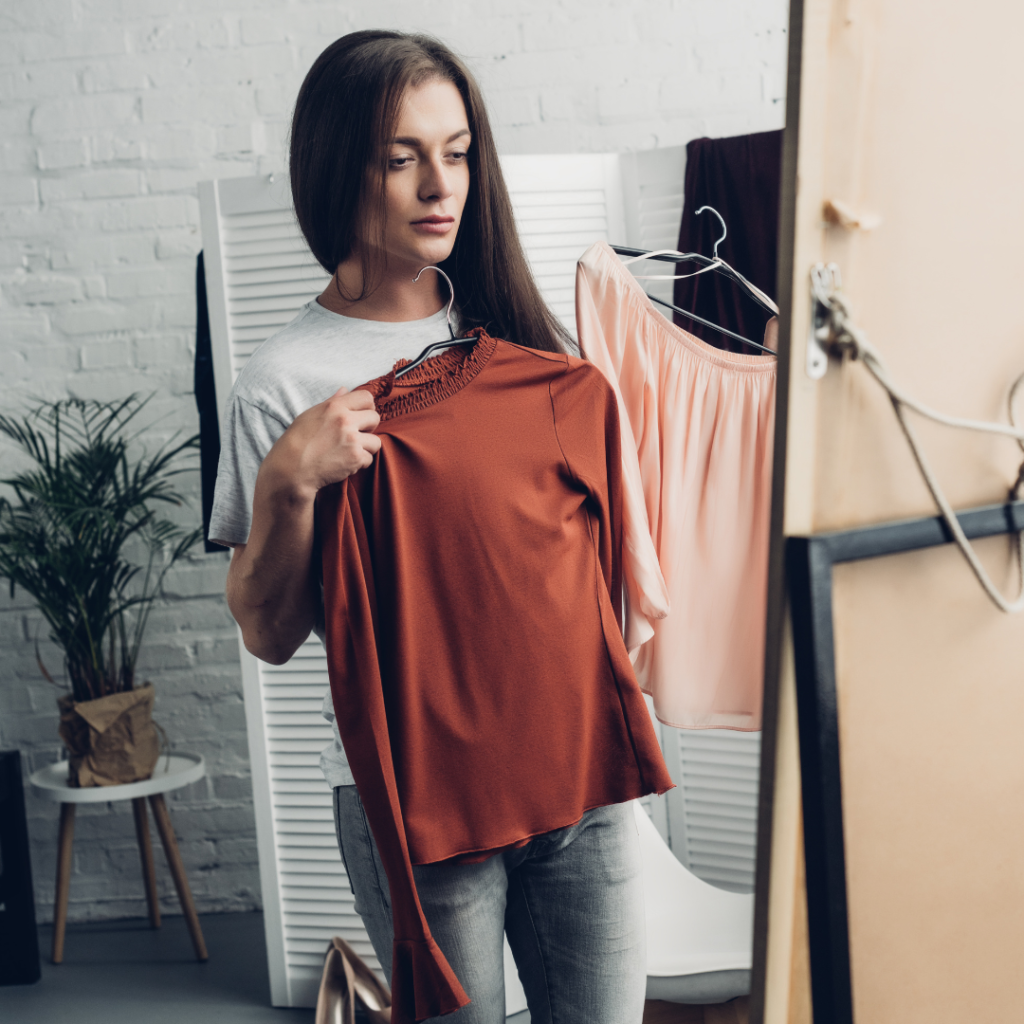
Social Media Has Increased Demand for Unique Fashion
Social media platforms have changed how consumers interact with fashion trends and personal style. Instagram, Pinterest, TikTok, and YouTube constantly encourage users to showcase individuality through clothing and aesthetics.
As a result, people increasingly want unique outfits that help them stand out online instead of blending into mass-market fashion trends.
Personalized fashion trends are strongly connected with digital identity because consumers now view clothing as part of their online image and social presence.
Influencers and content creators frequently promote custom styling, personalized accessories, limited-edition collections, and individualized fashion aesthetics.
This has increased consumer desire for fashion experiences that feel exclusive and personally meaningful.
However, social media-driven personalization can also contribute to overconsumption and pressure to maintain constantly updated appearances online.
Emotional Connection Builds Brand Loyalty
Emotional marketing has become a major strategy within the customized fashion industry. Brands understand that personalization creates stronger emotional relationships with customers.
When consumers feel understood by a brand, they often develop greater loyalty and trust.
Personalized communication, customized packaging, styling recommendations, and individual shopping experiences make customers feel valued rather than treated as anonymous buyers.
Fashion industry innovation increasingly focuses on emotional engagement because emotional satisfaction strongly influences repeat purchasing behavior.
Consumers today often support brands that align with personal identity, lifestyle values, and individual preferences.
At the same time, emotional branding can sometimes encourage excessive attachment to consumer culture and identity-based purchasing behavior.
Sustainability Is Supporting Personalized Fashion
The rise of personalized clothing experiences is also connected with growing sustainability awareness within the fashion industry.
Consumers are becoming more conscious about fast fashion waste, overproduction, and unnecessary consumption habits.
Made-to-order fashion and customized production systems often reduce excess inventory because products are created based on actual customer demand rather than mass manufacturing.
Consumers who invest in personalized clothing may also value products more emotionally, encouraging longer usage and reducing disposable fashion habits.
Sustainable fashion consumers increasingly prefer quality, uniqueness, and emotional durability over constant trend-based shopping.
However, not all personalized fashion brands automatically follow sustainable practices, making transparency important for consumer trust.
Luxury Brands Have Long Used Personalization
Luxury fashion branding has historically focused heavily on exclusivity and personalization. High-end consumers often expect tailored shopping experiences, private consultations, and custom-made products.
Today, even mainstream fashion brands are adopting similar strategies to compete in digital markets.
Luxury-inspired personalization techniques now appear across online fashion retail through AI recommendations, customized shopping journeys, and exclusive membership experiences.
Consumers often associate personalized service with higher quality, emotional value, and social prestige.
The customized fashion industry therefore continues expanding beyond luxury markets into mainstream retail culture.
Younger Consumers Prefer Personalized Experiences
Younger generations especially prefer digital fashion experiences that feel interactive, customized, and emotionally engaging.
Gen Z and millennial consumers value individuality, creativity, and flexibility more strongly than previous generations. They often reject overly standardized shopping experiences in favor of personalization and uniqueness.
Modern fashion retail trends increasingly focus on younger buyers who expect brands to understand their interests, communication preferences, and style identity.
Fashion brands now use quizzes, AI styling tools, digital avatars, and social media engagement to attract younger consumers seeking personalized interactions.
However, younger audiences are also becoming more aware of manipulative marketing strategies and often demand authenticity from brands.
Challenges of Personalized Fashion Experiences
Although personalized fashion experiences create many advantages, they also present certain challenges.
Collecting customer data for personalization raises privacy concerns because consumers may feel uncomfortable with extensive digital tracking.
Customization can also increase operational complexity and production costs for brands managing large-scale personalized services.
Additionally, some consumers may feel overwhelmed by too many choices or overly aggressive personalized advertising systems.
Fashion companies therefore must balance personalization with ethical responsibility, transparency, and customer trust.
Future of Personalized Fashion
The future of personalized fashion appears extremely strong as technology continues evolving rapidly.
Artificial intelligence, virtual fitting rooms, digital fashion assistants, augmented reality, and smart recommendation systems will likely make shopping experiences even more customized and immersive in coming years.
Fashion industry innovation will increasingly focus on delivering emotionally engaging experiences tailored to individual lifestyles and preferences.
Consumers may soon experience AI-generated wardrobes, virtual style consultations, personalized digital avatars, and predictive shopping systems based on behavioral analysis.
At the same time, future success in personalized fashion will depend on maintaining trust, authenticity, and responsible use of consumer data.
Conclusion
Understanding why fashion consumers prefer personalized clothing experiences reveals how deeply modern shopping behavior has evolved. Consumers today seek individuality, emotional connection, convenience, and customized experiences rather than generic fashion products alone.
Technology, social media, sustainability awareness, and digital culture have all contributed to the rapid growth of personalized fashion trends and customized shopping experiences.
From AI fashion recommendations and custom-fit clothing to emotionally engaging online shopping systems, personalization is reshaping the future of fashion retail globally.
Although challenges related to privacy, consumer pressure, and overconsumption still exist, the growing demand for personalized fashion experiences shows that modern consumers increasingly value authenticity, comfort, creativity, and emotional relevance in their relationship with fashion brands.
As the fashion industry continues evolving through innovation and digital transformation, personalized fashion will likely remain one of the strongest forces shaping future consumer behavior and shopping culture.
You May Also Read
Skincare Tips for People Who Wear Glasses Every Day: A Complete Guide to Healthy, Clear Skin 2026
Skincare Tips for People Who Wear Glasses Every Day Eyeglasses...
Read More
Understanding Hair Growth Cycles: A Complete Guide to Healthy Hair Growth and Scalp Wellness 2026
Understanding Hair Growth Cycles Healthy, vibrant hair is often associated...
Read MoreHair Care After Swimming: The Complete Guide to Healthy, Hydrated, and Strong Hair 2026
Hair Care After Swimming Swimming is one of the most...
Read More