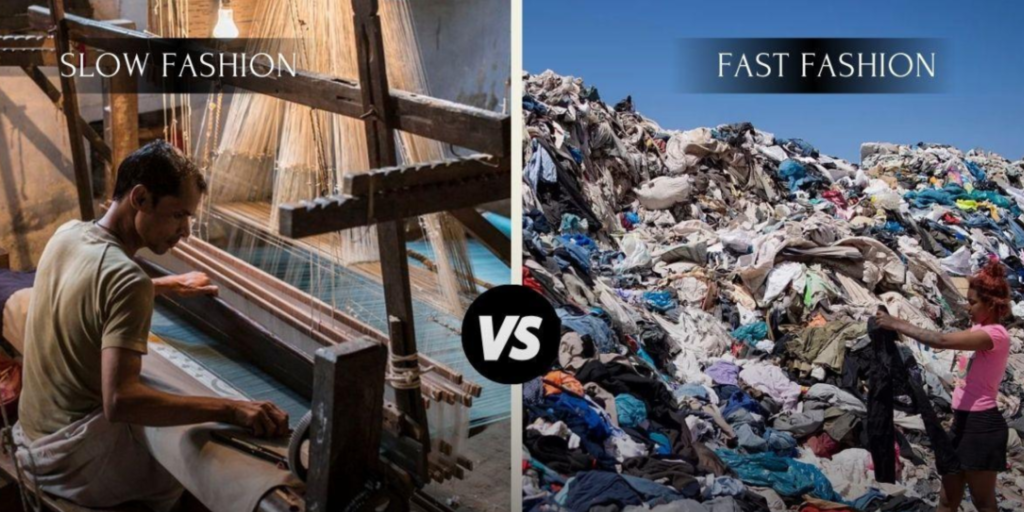
Slow Fashion vs Fast Fashion
The fashion industry has changed dramatically over the last few decades. Clothing trends now move faster than ever, with new collections appearing almost every week across online stores and retail brands. Social media, influencer culture, and ecommerce platforms have accelerated consumer demand for trendy and affordable clothing. As a result, fast fashion became one of the dominant business models in the modern fashion industry.
At the same time, growing environmental awareness and changing consumer values have encouraged the rise of slow fashion. Many people are now questioning how clothing is produced, how long it lasts, and how fashion affects workers, resources, and the environment.
In 2026, fashion is no longer only about style and trends. Consumers increasingly care about sustainability, ethical production, quality, and conscious shopping habits. The debate between slow fashion and fast fashion has become one of the most important conversations in the global fashion industry.
This guide explores the major differences between slow fashion and fast fashion while discussing sustainability, environmental impact, clothing quality, ethical concerns, shopping behavior, and the future of modern fashion culture.
What Is Fast Fashion?
Fast fashion refers to clothing produced quickly and inexpensively to follow rapidly changing trends. Fast fashion brands release large numbers of new designs frequently, encouraging customers to purchase trendy clothing at affordable prices.
Fast fashion focuses on:
- Quick production
- Low-cost clothing
- Trend-based collections
- High product turnover
- Mass consumption
Consumers often purchase fast fashion because it feels affordable and accessible.
Social media and celebrity culture have strongly contributed to the popularity of fast-changing fashion trends.
What Is Slow Fashion?
Slow fashion focuses on quality, sustainability, ethical production, and long-lasting clothing. Instead of producing large quantities of rapidly changing trends, slow fashion encourages thoughtful shopping and timeless design.
Slow fashion emphasizes:
- Durable clothing
- Ethical labor practices
- Sustainable materials
- Timeless styles
- Reduced waste
Consumers who support slow fashion often prefer quality over quantity.
This movement encourages people to buy fewer but more meaningful and versatile clothing pieces.
The Main Difference Between Slow and Fast Fashion
The biggest difference between slow fashion and fast fashion lies in production speed and consumption habits.
Fast Fashion
- Produces clothing quickly
- Focuses on trends
- Encourages frequent shopping
- Uses lower-cost materials
- Prioritizes mass production
Slow Fashion
- Prioritizes quality
- Supports ethical production
- Encourages mindful shopping
- Uses sustainable fabrics
- Promotes timeless fashion
Fast fashion focuses heavily on speed and affordability, while slow fashion emphasizes long-term value and responsibility.
Environmental Impact of Fast Fashion
The fast fashion industry has significant environmental impact due to large-scale production and excessive consumption.
Environmental concerns include:
- Textile waste
- Water pollution
- Chemical usage
- High carbon emissions
- Excessive packaging waste
Many fast fashion products are designed for short-term use, leading to frequent disposal and increasing landfill waste.
Rapid trend cycles often encourage unnecessary shopping habits and overconsumption.
Consumers are becoming increasingly aware of how fashion choices affect the environment.
Slow Fashion Supports Sustainability
Slow fashion helps reduce environmental damage by encouraging responsible production and consumption.
Sustainable slow fashion practices include:
- Using organic fabrics
- Producing smaller collections
- Reducing waste
- Supporting quality craftsmanship
- Encouraging long-term clothing use
Slow fashion often promotes capsule wardrobes and timeless essentials instead of constantly changing trends.
This approach helps reduce unnecessary production and excessive textile waste.
Clothing Quality Is Usually Different
Fast fashion clothing is often produced quickly using lower-cost materials to keep prices affordable.
This may sometimes result in:
- Shorter clothing lifespan
- Poor stitching
- Faster fabric damage
- Reduced durability
Slow fashion brands usually focus more on:
- Quality fabrics
- Better craftsmanship
- Durable construction
- Timeless design
Quality clothing often remains wearable for years, reducing the need for frequent replacements.
Consumers increasingly value long-lasting wardrobe basics over disposable fashion trends.
Ethical Production Is a Major Concern
Ethical fashion has become one of the most important topics in the modern clothing industry.
Some fast fashion production systems have faced criticism regarding:
- Low worker wages
- Unsafe working conditions
- Overproduction pressure
Slow fashion brands often focus more on:
- Fair labor practices
- Transparent production
- Ethical sourcing
- Safer working environments
Consumers today increasingly want to understand where and how their clothing is made.
Fashion is becoming more connected to social responsibility and ethical awareness.

Fast Fashion Encourages Impulse Shopping
Fast fashion brands frequently release new collections and heavily promote trend-driven shopping behavior.
This may encourage:
- Impulse purchases
- Excessive shopping
- Short-term clothing use
Social media trends often increase pressure to constantly buy new outfits.
Many consumers now recognize that excessive shopping may lead to cluttered wardrobes and unnecessary spending.
Slow Fashion Encourages Conscious Shopping
Slow fashion promotes intentional and thoughtful purchasing decisions.
Conscious shopping habits often include:
- Buying fewer items
- Choosing versatile clothing
- Investing in quality
- Rewearing outfits
- Supporting sustainable brands
This mindset encourages consumers to focus more on personal style and practicality rather than constantly following temporary trends.
Minimalist fashion strongly supports slow fashion principles.
Social Media Influences Both Fashion Movements
Social media strongly affects modern shopping behavior and fashion trends.
Fast fashion often spreads through:
- Viral trends
- Influencer marketing
- Short-term aesthetics
- Rapid trend cycles
Slow fashion communities often promote:
- Capsule wardrobes
- Sustainable styling
- Outfit repeating
- Ethical fashion education
Consumers now receive fashion inspiration from both fast-changing trends and sustainability-focused creators.
Minimalist Fashion Connects with Slow Fashion
Minimalist fashion strongly supports slow fashion values because it emphasizes:
- Timeless wardrobe basics
- Neutral colors
- Versatile outfits
- Practical styling
Capsule wardrobes help reduce unnecessary shopping while simplifying daily fashion choices.
Many people now prefer smaller wardrobes built around quality essentials instead of excessive clothing collections.
Sustainable Fabrics Are Becoming More Popular
Slow fashion often uses sustainable fabrics that support environmentally responsible production.
Popular sustainable materials include:
- Organic cotton
- Linen
- Recycled fabrics
- Hemp textiles
Consumers increasingly prefer breathable and natural fabrics suitable for long-term wear.
Sustainable fabrics often feel more comfortable while supporting eco-friendly lifestyles.
Fast Fashion Remains Popular Because of Affordability
Despite growing sustainability awareness, fast fashion remains popular because it provides:
- Affordable prices
- Easy access to trends
- Frequent new collections
Many consumers rely on affordable fashion because of budget limitations.
The challenge for the fashion industry is balancing accessibility with sustainability and ethical responsibility.
The Role of Fashion Brands in Sustainability
Fashion brands now face increasing pressure to improve sustainability practices.
Many companies are introducing:
- Eco-friendly collections
- Recycled packaging
- Ethical sourcing
- Sustainable marketing campaigns
Consumers are increasingly supporting brands that demonstrate transparency and responsibility.
Fashion businesses are gradually adapting to changing customer expectations.
Common Misunderstandings About Slow Fashion
Slow Fashion Is Only for Luxury Buyers
Many affordable brands now offer sustainable clothing options.
Sustainable Fashion Cannot Be Stylish
Modern slow fashion combines trendy aesthetics with timeless design.
Outfit Repeating Is Negative
Modern fashion culture increasingly accepts and encourages repeating versatile outfits.
Tips for Building a More Sustainable Wardrobe
Buy Quality Basics
Timeless essentials often last longer than trend-focused items.
Choose Versatile Colors
Neutral clothing creates more outfit combinations.
Support Ethical Brands
Responsible companies help improve industry practices.
Avoid Impulse Shopping
Thoughtful purchasing reduces unnecessary waste.
Rewear and Restyle Clothing
Creative styling helps maximize wardrobe use.
The Future of Fashion Industry Trends
The future of fashion is likely to focus more on:
- Sustainability
- Ethical production
- Quality clothing
- Conscious shopping
- Minimal wardrobes
Consumers increasingly value authenticity, comfort, and environmental awareness over constant trend changes.
Technology and digital fashion may also help reduce physical overproduction in the future.
Finding Balance Between Fashion and Responsibility
Not every consumer will completely avoid fast fashion, and not everyone can afford luxury sustainable clothing.
However, small changes such as:
- Buying less frequently
- Choosing better quality
- Reusing clothing
- Supporting responsible brands
can help create more balanced shopping habits.
Fashion does not need to become restrictive. Instead, it can become more thoughtful and sustainable over time.
Final Thoughts
The conversation around slow fashion vs fast fashion reflects changing values in the modern fashion industry. While fast fashion offers affordability and quick access to trends, it also raises concerns related to environmental impact, overproduction, and excessive consumption.
Slow fashion encourages a more mindful approach by focusing on quality, sustainability, ethical production, and long-term wardrobe value. Modern consumers are increasingly interested in fashion choices that combine style, comfort, and responsibility.
Fashion trends in 2026 are gradually moving toward conscious shopping, minimalist wardrobes, and sustainable lifestyles. People now understand that personal style does not require constant consumption or excessive trend-following.
The future of fashion will likely involve finding balance between creativity, affordability, sustainability, and ethical responsibility while allowing individuals to express themselves authentically through clothing choices.
More Blogs you may read
Skincare Tips for People Who Wear Glasses Every Day: A Complete Guide to Healthy, Clear Skin 2026
Skincare Tips for People Who Wear Glasses Every Day Eyeglasses...
Read More
Understanding Hair Growth Cycles: A Complete Guide to Healthy Hair Growth and Scalp Wellness 2026
Understanding Hair Growth Cycles Healthy, vibrant hair is often associated...
Read MoreHair Care After Swimming: The Complete Guide to Healthy, Hydrated, and Strong Hair 2026
Hair Care After Swimming Swimming is one of the most...
Read More