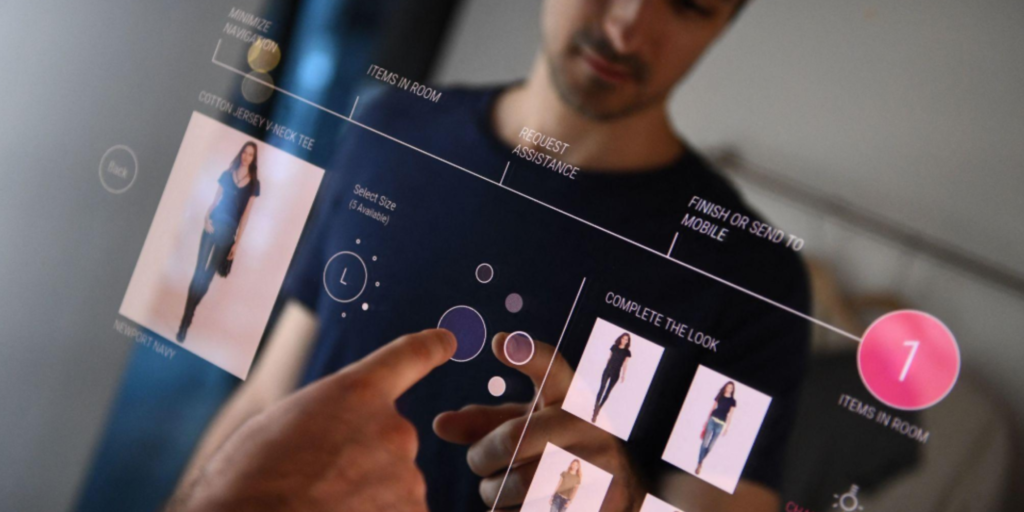
Game-Changing Fashion Technologies Revolutionizing Retail
The fashion industry is experiencing one of the most remarkable transformations in its history. For decades, fashion retail depended largely on physical stores, seasonal collections, traditional advertising, and face-to-face customer interactions. While these elements still play an important role, technology has fundamentally changed how consumers discover, evaluate, purchase, and interact with fashion products. Today, fashion technology is no longer a supporting tool. It has become a driving force behind innovation, customer engagement, operational efficiency, and business growth.
Modern consumers expect convenience, personalization, speed, and seamless shopping experiences. Fashion retailers are responding by investing heavily in advanced technologies that improve customer satisfaction while increasing competitiveness. Artificial intelligence, virtual fitting rooms, smart inventory systems, data analytics, augmented reality, and automation are reshaping every aspect of fashion retail.
The influence of technology extends far beyond online shopping. It affects product design, manufacturing, supply chain management, customer service, marketing, and sustainability initiatives. As a result, fashion technology has emerged as one of the most influential factors shaping the future of retail.
The rapid pace of innovation is creating exciting opportunities for brands, retailers, and consumers alike. Understanding the game-changing fashion technologies revolutionizing retail provides valuable insight into where the industry is heading and how businesses are adapting to a rapidly evolving marketplace.
The Digital Transformation of Fashion Retail
Fashion retail has undergone a significant digital transformation over the past decade. Consumers now interact with brands across multiple channels, including websites, mobile applications, social media platforms, and physical stores. This shift has encouraged retailers to create integrated shopping experiences that combine digital convenience with personalized service.
Technology allows fashion brands to understand customer preferences more accurately than ever before. Through digital tools, businesses can analyze purchasing behavior, identify emerging trends, and optimize inventory management. These capabilities help retailers respond quickly to market demands while reducing inefficiencies.
The growth of fashion e-commerce has accelerated this transformation. Online shopping is no longer considered an alternative to traditional retail. Instead, it has become a central component of the modern fashion industry. As digital adoption continues expanding, technology-driven retail strategies are becoming essential for long-term success.
The future of fashion retail depends heavily on businesses’ ability to embrace innovation while delivering exceptional customer experiences.
Artificial Intelligence Is Reshaping Fashion Retail
Artificial intelligence has become one of the most influential technologies within the fashion industry. AI-powered systems help retailers make smarter decisions by analyzing enormous amounts of data in real time.
Fashion brands use artificial intelligence to predict consumer preferences, forecast trends, optimize pricing strategies, and personalize marketing campaigns. These capabilities enable businesses to operate more efficiently while improving customer satisfaction.
AI-driven recommendation engines have become particularly valuable. Consumers increasingly expect personalized shopping experiences, and artificial intelligence helps retailers suggest products that match individual preferences and purchasing behavior.
The impact of AI extends beyond customer interactions. It also supports inventory planning, demand forecasting, and supply chain optimization. By reducing uncertainty and improving accuracy, artificial intelligence helps fashion retailers remain competitive in a fast-moving industry.
As AI technology continues advancing, its influence on fashion retail is expected to grow even further.
Virtual Fitting Rooms Are Changing Online Shopping
One of the biggest challenges facing fashion e-commerce has always been uncertainty about fit and sizing. Consumers often hesitate to purchase clothing online because they cannot try products on before making a decision.
Virtual fitting room technology is helping solve this problem. Using augmented reality, body scanning, and advanced visualization tools, consumers can see how garments may look on them before completing a purchase.
This innovation improves confidence during the shopping process while reducing return rates. Customers gain a better understanding of fit, style, and appearance without visiting a physical store.
Fashion retailers benefit because fewer returns translate into lower operational costs and improved customer satisfaction. Virtual fitting rooms also enhance convenience, making online shopping more engaging and interactive.
As technology becomes more sophisticated, virtual fitting experiences are expected to become a standard feature within fashion retail.
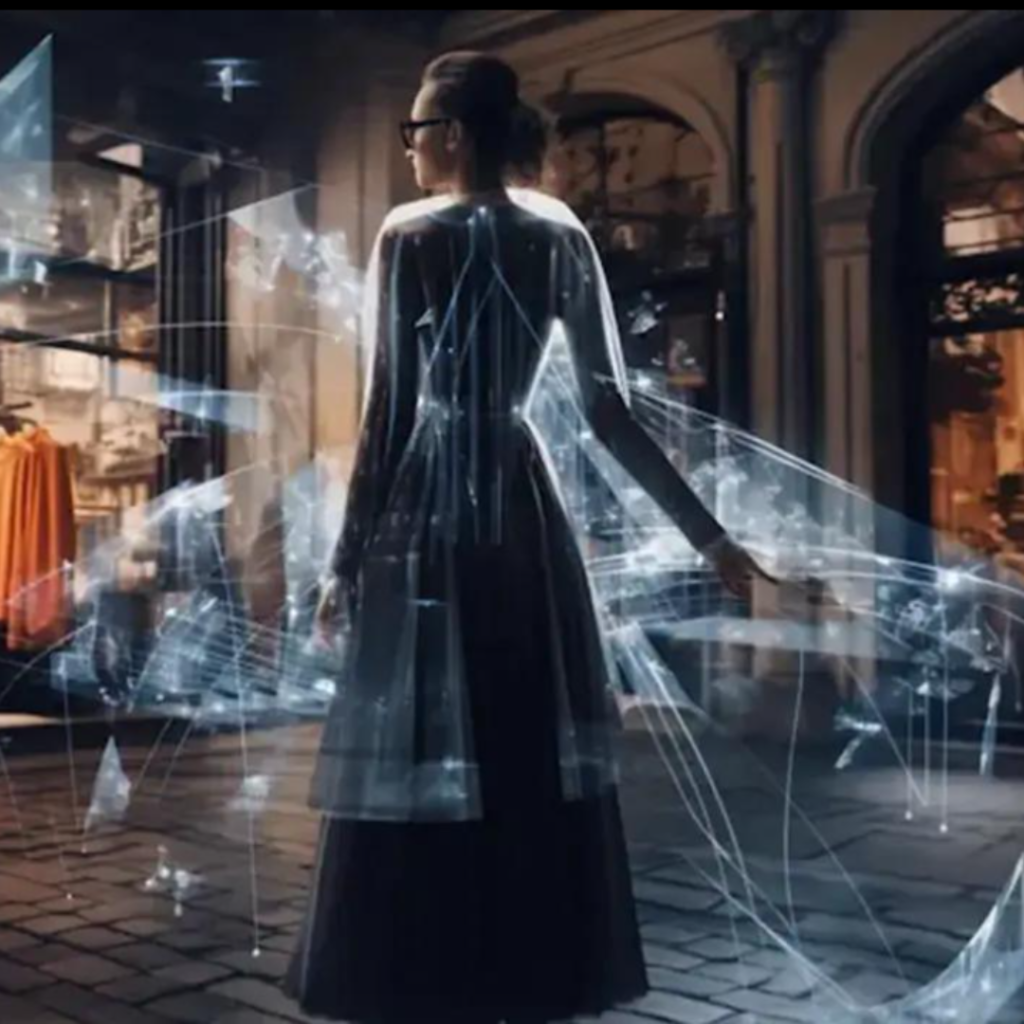
Augmented Reality Is Enhancing Customer Experiences
Augmented reality is transforming how consumers interact with fashion products. By overlaying digital content onto real-world environments, AR creates immersive shopping experiences that bridge the gap between physical and digital retail.
Fashion brands use augmented reality to allow customers to visualize clothing, accessories, footwear, and cosmetics before purchasing. This technology helps consumers make more informed decisions while increasing engagement.
AR-powered shopping experiences often feel more interactive and entertaining than traditional browsing methods. Consumers can experiment with different styles, colors, and combinations without physically trying on products.
The growing popularity of augmented reality reflects consumers’ desire for convenience and personalization. Retailers that successfully integrate AR into their customer experiences often gain a competitive advantage in crowded markets.
The continued development of AR technology promises even more exciting possibilities for the future of fashion retail.
Smart Inventory Systems Improve Efficiency
Inventory management has always been a critical challenge within the fashion industry. Overstocking creates unnecessary costs, while insufficient inventory can lead to lost sales opportunities. Smart inventory technology helps retailers address these challenges more effectively.
Advanced inventory systems use real-time data, predictive analytics, and automation to track stock levels accurately. These tools enable retailers to respond quickly to changing demand patterns while minimizing waste.
Fashion businesses benefit from improved visibility throughout their supply chains. They can identify potential shortages, optimize product distribution, and make informed purchasing decisions based on data rather than assumptions.
Efficient inventory management also supports sustainability goals by reducing excess production and minimizing unsold merchandise. As consumer expectations continue evolving, smart inventory systems are becoming increasingly important for operational success.
Technology-driven inventory management represents a major advancement within modern fashion retail.
Automation Is Transforming Retail Operations
Automation is playing an increasingly significant role in fashion retail. From warehouse management and order fulfillment to customer service and marketing, automated systems help businesses operate more efficiently.
Retailers use automation to process orders faster, manage logistics more effectively, and provide quicker responses to customer inquiries. These improvements enhance the overall shopping experience while reducing operational costs.
Chatbots powered by artificial intelligence have become common tools for customer support. They assist shoppers with product information, order tracking, and basic inquiries, providing immediate assistance at any time of day.
Automation also allows fashion companies to focus resources on strategic initiatives rather than repetitive tasks. This increased efficiency supports scalability and long-term growth.
As technology continues advancing, automation will remain a central component of retail innovation.
Data Analytics Is Driving Better Decisions
Data has become one of the most valuable assets within the fashion industry. Every customer interaction generates information that can help businesses understand preferences, behaviors, and market trends.
Advanced analytics platforms allow fashion retailers to transform raw data into actionable insights. Companies can identify emerging trends, evaluate marketing performance, and optimize product assortments based on consumer demand.
Data-driven decision-making helps reduce uncertainty and improve business outcomes. Retailers can make more informed choices regarding inventory, pricing, promotions, and customer engagement strategies.
Consumers also benefit because brands can deliver more relevant recommendations and personalized experiences. This mutual value strengthens relationships between businesses and customers.
The growing importance of analytics highlights how technology is reshaping retail strategy at every level
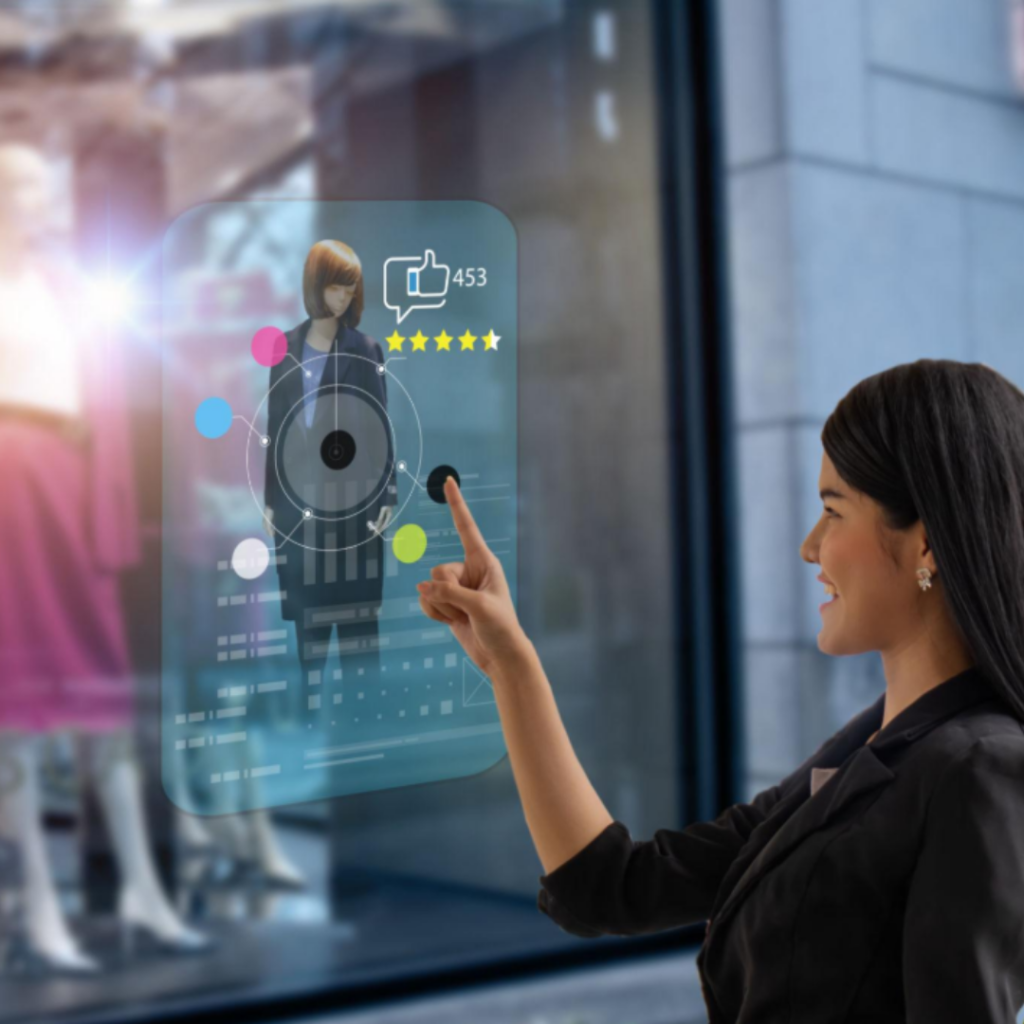
Smart Mirrors and Connected Stores
Physical retail stores are also benefiting from technological innovation. Smart mirrors, interactive displays, and connected store environments are creating more engaging shopping experiences.
Smart mirrors allow customers to view product information, request alternative sizes, and receive styling suggestions without leaving fitting rooms. These features improve convenience while enhancing personalization.
Connected stores integrate digital technology into physical environments, creating seamless interactions between online and offline channels. Customers can browse products digitally, check availability, and access personalized recommendations during in-store visits.
These innovations help traditional retail remain relevant in an increasingly digital world. Rather than competing directly with e-commerce, physical stores are evolving into experience-driven destinations.
The future of fashion retail is likely to involve deeper integration between digital and physical shopping environments.
Sustainability and Technology Are Working Together
Technology is also supporting sustainability efforts within the fashion industry. Consumers increasingly expect brands to reduce waste, improve transparency, and operate responsibly.
Advanced technologies help companies monitor resource usage, optimize supply chains, and reduce excess inventory. Digital product passports, blockchain tracking systems, and sustainability analytics tools provide greater visibility into production processes.
Fashion retailers can use these technologies to communicate environmental initiatives more effectively while building consumer trust. Transparency has become an important competitive advantage as sustainability concerns continue growing.
Technology-driven sustainability solutions demonstrate how innovation can support both business objectives and environmental responsibility.
This alignment is becoming increasingly important within the future of fashion retail.
The Future of Fashion Retail Technology
The future of fashion retail technology appears exceptionally promising. Artificial intelligence, augmented reality, automation, data analytics, and smart retail systems will continue evolving rapidly, creating new opportunities for innovation.
Consumers will increasingly expect personalized experiences, seamless digital interactions, and convenient shopping solutions. Retailers that embrace technology effectively will be better positioned to meet these expectations while remaining competitive.
Emerging technologies such as wearable devices, advanced smart textiles, and immersive virtual environments may further transform the industry in the coming years. These innovations have the potential to redefine how consumers interact with fashion products and brands.
The ongoing digital transformation of fashion retail is creating a more efficient, engaging, and customer-focused industry.
Conclusion
Fashion technologies revolutionizing retail are reshaping every aspect of the industry, from customer experiences and inventory management to sustainability and business strategy. Artificial intelligence, virtual fitting rooms, augmented reality, automation, smart inventory systems, and data analytics are driving significant improvements in efficiency and customer satisfaction.
As consumer expectations continue evolving, technology will play an increasingly important role in helping fashion brands remain relevant and competitive. Businesses that embrace innovation while maintaining strong customer relationships will be best positioned for long-term success.
The future of fashion retail is not defined solely by products. It is increasingly shaped by technology, personalization, and seamless experiences that enhance every stage of the customer journey. As these innovations continue developing, they will create exciting opportunities for brands, retailers, and consumers throughout the global fashion industry.
You May Also Read
Skincare Tips for People Who Wear Glasses Every Day: A Complete Guide to Healthy, Clear Skin 2026
Skincare Tips for People Who Wear Glasses Every Day Eyeglasses...
Read More
Understanding Hair Growth Cycles: A Complete Guide to Healthy Hair Growth and Scalp Wellness 2026
Understanding Hair Growth Cycles Healthy, vibrant hair is often associated...
Read MoreHair Care After Swimming: The Complete Guide to Healthy, Hydrated, and Strong Hair 2026
Hair Care After Swimming Swimming is one of the most...
Read More