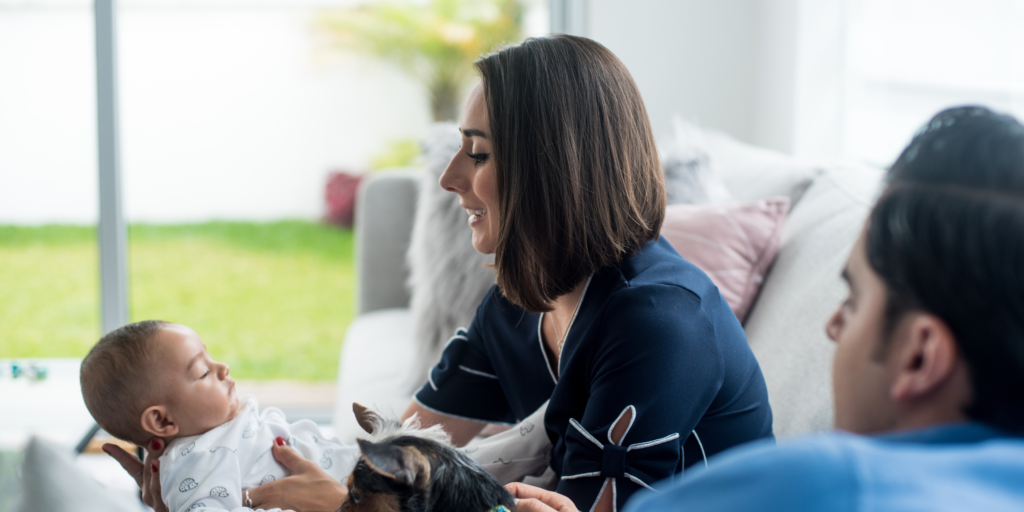
Common Baby Clothing Mistakes New Parents Make
Welcoming a newborn into the family is one of life’s most exciting experiences. Along with the anticipation and joy comes a long list of preparations, and building a baby wardrobe is often near the top of that list. Many new parents eagerly shop for adorable outfits, tiny shoes, and fashionable accessories long before their baby arrives. While enthusiasm is understandable, clothing purchases are also an area where many first-time parents make avoidable mistakes.
The baby fashion industry offers countless options, making it easy to become overwhelmed by choices. Attractive designs, seasonal trends, and irresistible promotions can sometimes distract parents from focusing on practicality and comfort. As a result, many families end up spending money on clothing that is rarely worn, quickly outgrown, or unsuitable for everyday needs.
Understanding the most common baby clothing mistakes can help parents make smarter decisions and create a wardrobe that supports comfort, convenience, and long-term value. A thoughtfully planned collection of baby clothing essentials not only simplifies daily routines but also ensures that babies remain comfortable throughout every stage of growth.
Buying Too Many Newborn Clothes
One of the most frequent baby clothing mistakes involves purchasing excessive amounts of newborn-sized clothing. The excitement of preparing for a baby often leads parents to fill closets with tiny outfits, assuming they will be used for an extended period.
In reality, babies grow at an astonishing pace. Some infants outgrow newborn clothing within just a few weeks, while others may skip certain sizes altogether. This rapid growth often leaves parents with numerous unworn garments and unnecessary expenses.
A practical baby wardrobe focuses on flexibility rather than quantity. Instead of purchasing large volumes of newborn clothing, many experienced parents recommend investing in a balanced selection of sizes that can accommodate future growth. This approach reduces waste and helps families avoid overcrowded closets filled with unused items.
Building a baby wardrobe based on realistic growth expectations can significantly improve both organization and budgeting.
Prioritizing Appearance Over Comfort
Another common baby fashion mistake is choosing clothing based primarily on appearance. While stylish baby clothes can be appealing, comfort should always remain a top priority.
Babies spend much of their time sleeping, feeding, moving, and exploring. Clothing that looks attractive but feels restrictive may create unnecessary discomfort throughout the day. Tight fits, rough fabrics, and overly complicated designs can interfere with a baby’s natural movement and overall experience.
Comfortable baby clothes made from soft, breathable materials are generally more suitable for everyday wear. Parents who prioritize comfort often discover that practical outfits are worn far more frequently than highly decorative garments reserved for special occasions.
The most successful baby wardrobe balances style and functionality, ensuring that clothing supports comfort without sacrificing visual appeal.
Ignoring Fabric Quality
Fabric selection plays a critical role in creating a comfortable and practical baby wardrobe. Unfortunately, many new parents focus on colors, patterns, and trends while overlooking material quality.
Babies have delicate skin that benefits from soft and breathable fabrics. Clothing made from poor-quality materials may feel uncomfortable or wear out quickly after repeated washing. Since baby clothes require frequent laundering, durability becomes just as important as softness.
Natural fibers such as organic cotton and other breathable materials often provide greater comfort and longevity. Paying attention to fabric composition can help parents avoid disappointment while ensuring that clothing remains comfortable throughout daily use.
High-quality baby clothing materials contribute significantly to a positive wearing experience and often provide better value over time.
Purchasing Complicated Outfits
Many first-time parents are drawn to elaborate baby outfits featuring multiple layers, decorative details, and intricate fastenings. While these garments may appear charming in stores or photographs, they are often less practical in everyday situations.
Babies require frequent diaper changes, clothing adjustments, and outfit changes throughout the day. Complicated clothing designs can make these routine tasks more time-consuming and frustrating for caregivers.
Practical baby clothing focuses on convenience and ease of use. Simple designs that allow quick changes help streamline daily routines while reducing unnecessary stress. Parents frequently discover that functional clothing becomes the most valuable part of their baby’s wardrobe.
Choosing convenience over complexity often leads to a more enjoyable parenting experience.
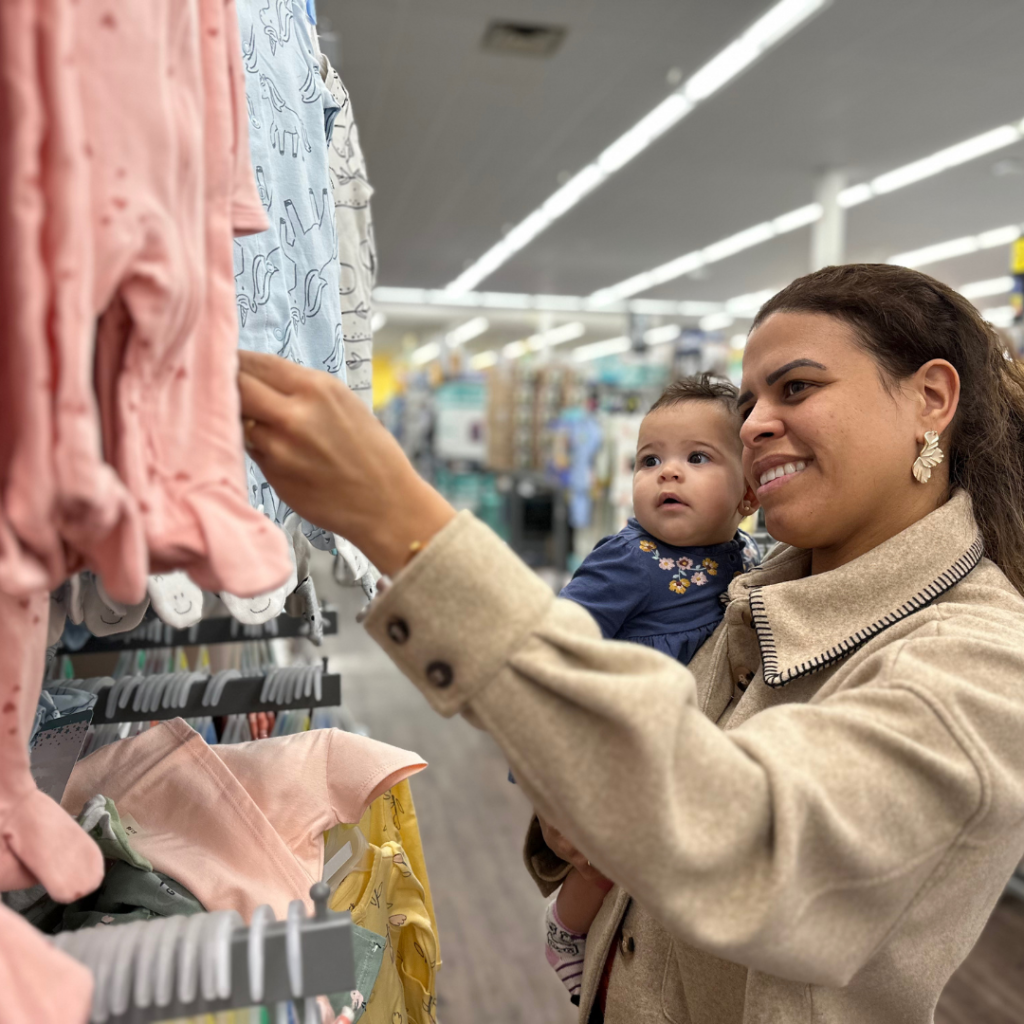
Overlooking Seasonal Needs
Seasonal planning is another area where many new parents encounter challenges. It is easy to purchase clothing based on current weather conditions without considering future growth and seasonal changes.
A baby born during one season may outgrow certain clothing sizes before the next season arrives. This can result in wardrobes filled with garments that no longer fit when they are needed most.
Thoughtful baby wardrobe planning involves considering how quickly infants grow and how clothing will align with future weather conditions. Versatile pieces that support layering can provide greater flexibility throughout the year.
Parents who plan ahead are often better equipped to maintain a functional wardrobe that adapts to changing temperatures and developmental stages.
Choosing the Wrong Sizes
Baby clothing sizes can be surprisingly inconsistent. Different brands often use varying measurements, making it difficult for new parents to predict how garments will fit.
One of the most common baby clothing mistakes is assuming that size labels accurately reflect a baby’s age or measurements. Purchasing large quantities of clothing in a single size can create challenges if garments fit differently than expected.
A more effective approach involves maintaining a variety of sizes and focusing on fit rather than labels alone. This strategy provides greater flexibility as babies experience rapid growth and changing body proportions.
Understanding that sizing varies across brands can help parents make more informed purchasing decisions.
Forgetting About Everyday Essentials
Many new parents become focused on special outfits and trendy baby fashion pieces while neglecting everyday basics. However, practical essentials are often the most frequently used items in a baby’s wardrobe.
Comfortable bodysuits, sleepers, leggings, and simple layering pieces form the foundation of an effective clothing collection. These garments support daily activities and provide versatility across different seasons and occasions.
A wardrobe dominated by formal outfits may look impressive but often lacks the functionality required for everyday life. Prioritizing baby clothing essentials helps ensure that parents have the garments they need most often.
Building a strong foundation of practical clothing contributes to a more organized and efficient wardrobe.
Buying Everything at Once
The desire to be fully prepared can sometimes lead parents to purchase an entire wardrobe before their baby arrives. While preparation is important, buying everything at once can limit flexibility and create unnecessary expenses.
Babies develop unique preferences, growth patterns, and clothing needs. Waiting to purchase certain items allows parents to make better-informed decisions based on their child’s specific requirements.
A gradual approach to wardrobe building often results in more efficient spending and greater satisfaction with clothing choices. It also reduces the likelihood of accumulating unused items.
Parents who remain adaptable often find it easier to create wardrobes that evolve alongside their baby’s development.
Neglecting Durability and Long-Term Value
Some parents focus exclusively on immediate needs without considering how clothing will perform over time. Frequent washing, active movement, and daily wear place significant demands on baby apparel.
Durable baby clothing provides greater long-term value by maintaining its shape, softness, and appearance despite repeated use. Investing in quality garments can reduce replacement costs while supporting more sustainable consumption habits.
Many families appreciate clothing that can be reused for future siblings or shared with relatives. Prioritizing durability helps maximize the usefulness of each purchase.
Long-lasting baby apparel often proves more economical than repeatedly replacing lower-quality alternatives.

Following Trends Without Considering Practicality
Baby fashion trends can be inspiring, but they should not dictate every purchasing decision. Trend-driven items often attract attention because of their appearance, yet they may not always meet practical everyday needs.
Parents sometimes feel pressure to keep up with evolving styles, especially when influenced by social media and marketing campaigns. However, a wardrobe built entirely around trends may lack versatility and functionality.
Balancing fashion with practicality creates a more effective clothing collection. Timeless essentials often provide greater value than short-lived trends that quickly lose relevance.
Modern baby fashion works best when it complements comfort, convenience, and everyday usability.
Creating a Balanced Baby Wardrobe
The most successful baby wardrobes are built on thoughtful planning rather than impulse purchases. Parents who focus on comfort, quality, durability, and practicality are more likely to create collections that support both their baby’s needs and their own daily routines.
A balanced wardrobe includes versatile essentials, comfortable fabrics, appropriate sizing options, and seasonally adaptable pieces. This approach simplifies dressing, reduces clutter, and maximizes the usefulness of each garment.
By avoiding common baby clothing mistakes, families can enjoy a smoother and more organized parenting experience while ensuring that their baby remains comfortable and well-prepared for every stage of growth.
Conclusion
Common baby clothing mistakes often stem from excitement, inexperience, and the overwhelming number of choices available to new parents. While these challenges are understandable, thoughtful planning can make a significant difference.
From buying too many newborn outfits and overlooking fabric quality to prioritizing style over comfort, many mistakes can be avoided with a practical mindset. Focusing on baby clothing essentials, comfortable baby clothes, and versatile wardrobe planning helps create a collection that supports everyday life.
As parents gain experience, they often realize that the most valuable clothing items are not necessarily the most fashionable but the ones that provide comfort, convenience, and lasting quality. By making informed choices, new parents can build a baby wardrobe that offers both functionality and confidence throughout the exciting journey of early parenthood.
You May Also Read
Skincare Tips for People Who Wear Glasses Every Day: A Complete Guide to Healthy, Clear Skin 2026
Skincare Tips for People Who Wear Glasses Every Day Eyeglasses...
Read More
Understanding Hair Growth Cycles: A Complete Guide to Healthy Hair Growth and Scalp Wellness 2026
Understanding Hair Growth Cycles Healthy, vibrant hair is often associated...
Read MoreHair Care After Swimming: The Complete Guide to Healthy, Hydrated, and Strong Hair 2026
Hair Care After Swimming Swimming is one of the most...
Read More