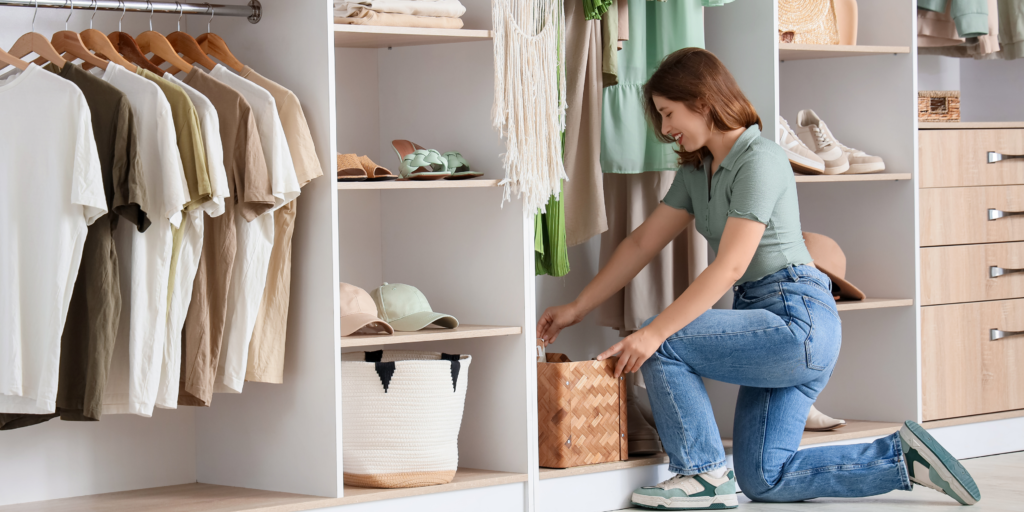
Why Most People Wear Only 20% of Their Wardrobe
Open almost any closet and you will find a familiar situation. Shelves are filled with shirts, jackets, dresses, jeans, shoes, and accessories collected over months or even years. At first glance, the wardrobe appears full of choices. Yet despite having so many options available, most people repeatedly wear only a small portion of what they own. In fact, a widely discussed principle in wardrobe psychology suggests that many individuals regularly wear roughly 20% of their wardrobe while the remaining 80% stays largely untouched.
This pattern may seem surprising, but it reflects some fascinating aspects of human behavior. The question is not simply why clothes go unworn. A more interesting question is why people continue acquiring new clothing while consistently relying on the same trusted pieces. The answer lies in wardrobe psychology, clothing habits, fashion behavior, emotional attachment, decision-making patterns, and personal style preferences.
Understanding why most people wear only 20% of their wardrobe provides valuable insight into how individuals make clothing choices and why certain garments become everyday favorites while others remain hidden in the back of the closet.
The Comfort Zone Shapes Clothing Habits
One of the biggest reasons people wear only 20% of their wardrobe is comfort. Certain clothing items simply feel better than others. Whether it is a perfectly fitted pair of jeans, a favorite sweater, or a reliable jacket, comfort strongly influences wardrobe choices.
Comfort extends beyond physical sensations. Clothing also creates emotional reassurance. Familiar garments often become associated with pleasant experiences, successful moments, and daily routines. Over time, these positive associations strengthen emotional connections to specific pieces.
As a result, individuals naturally gravitate toward clothing that consistently delivers comfort and confidence.
Wardrobe psychology shows that people frequently prioritize familiar options over unfamiliar alternatives. Even when a closet contains dozens of attractive garments, trusted favorites often feel easier and more satisfying to wear.
This preference contributes significantly to why most people wear only 20% of their wardrobe on a regular basis.
Decision Fatigue Reduces Clothing Variety
Every day requires countless decisions. From professional responsibilities to personal commitments, people constantly use mental energy to solve problems and make choices.
By the time morning arrives, many individuals have little interest in spending extra time evaluating dozens of outfit possibilities.
This is where clothing decision making becomes important.
The brain naturally seeks efficiency. Instead of carefully analyzing every garment in the closet, people often default to proven outfit combinations that have worked well before.
This tendency reduces mental effort and simplifies daily routines.
Fashion psychology suggests that repeating familiar clothing choices helps conserve cognitive resources. Rather than creating stress, trusted outfits provide convenience and predictability.
As a result, wardrobe behavior often becomes repetitive, leading people to wear the same small collection of clothing while ignoring much of the rest of their wardrobe.
Personal Style Naturally Narrows Clothing Choices
Many wardrobes contain clothing purchased during different stages of life. Fashion trends change, preferences evolve, and lifestyles shift over time.
A person may own garments from previous jobs, former hobbies, past fashion interests, or earlier phases of adulthood. Although these items remain in the closet, they may no longer reflect current tastes.
Personal style psychology reveals that individuals gradually develop a stronger understanding of what suits them best. They learn which colors complement their appearance, which fits provide comfort, and which styles align with their personality.
Once these preferences become established, clothing choices become more selective.
This explains why unused clothes in a wardrobe often remain untouched despite being perfectly wearable. The issue is not necessarily quality or condition. Instead, those items no longer match the person’s current identity or lifestyle.
Consequently, only a limited portion of the wardrobe continues to receive regular use.
Emotional Attachments Influence Wardrobe Behavior
Another important factor in wardrobe psychology is emotional attachment. Clothing often carries memories and personal significance.
A jacket worn during a memorable trip, a shirt associated with professional success, or a dress connected to a special celebration may hold emotional value far beyond its practical function.
These positive associations encourage repeated use.
At the same time, some clothing items may carry uncomfortable memories, disappointment, or unfavorable experiences. Even if those garments are attractive and functional, emotional associations can discourage people from wearing them.
The emotional dimension of clothing habits explains why wardrobe choices are rarely based solely on practicality.
People frequently choose garments that create reassuring feelings while avoiding those that generate uncertainty or discomfort.
These emotional influences contribute significantly to why most people wear only 20% of their wardrobe.
Shopping Habits Create Closet Imbalance
Fashion consumer behavior also plays a major role in wardrobe management. Many people purchase clothing based on aspirations rather than actual needs.
A person may buy a formal outfit for events that rarely occur, trendy pieces inspired by social media, or clothing that reflects an imagined future lifestyle.
At the moment of purchase, these items seem valuable and exciting. However, once they enter the wardrobe, reality often intervenes.
Daily routines tend to require practical, comfortable, and versatile clothing. As a result, aspirational purchases receive little use while dependable essentials dominate everyday wear.
Over time, closets become filled with garments purchased for occasional situations rather than regular life.
This imbalance helps explain why so many clothes go unworn despite the constant desire to acquire more.
The Power of Outfit Confidence
Confidence is one of the strongest forces influencing wardrobe choices. People repeatedly wear clothing that makes them feel capable, attractive, and comfortable.
When an outfit receives compliments or creates a favorable experience, it often becomes part of a person’s regular rotation.
Fashion psychology suggests that confidence reinforces clothing habits. Successful experiences strengthen trust in specific garments, encouraging repeated use.
On the other hand, clothing that creates self-consciousness or uncertainty may remain untouched.
This pattern explains why wardrobes often contain many options but only a few frequently worn favorites. Confidence transforms certain garments into reliable choices while pushing others into storage.
As a result, wardrobe behavior becomes increasingly concentrated around a limited collection of trusted pieces.
Lifestyle Changes Leave Clothes Behind
One of the most overlooked reasons why clothes go unworn is lifestyle change.
People frequently hold onto clothing long after their routines have evolved. A former office worker may keep formal business attire despite working remotely. Someone who no longer attends social events may retain numerous occasion-specific outfits.
Similarly, weight fluctuations, career transitions, climate changes, and family responsibilities can alter clothing needs dramatically.
Although these garments remain physically present, they no longer serve a meaningful purpose.
Wardrobe management becomes more difficult when closets contain items linked to previous lifestyles rather than current realities.
This disconnect between ownership and actual usage contributes to the common phenomenon of wearing only a small percentage of available clothing.
Fast Fashion Encourages Excess Ownership
The rise of fast fashion has significantly influenced wardrobe psychology. Affordable prices and constantly changing trends encourage consumers to buy more clothing than ever before.
Because individual purchases often feel inexpensive, people may acquire items without carefully considering long-term use.
Over time, this accumulation creates crowded closets filled with garments that receive little attention.
The abundance of choices can actually reduce satisfaction. When wardrobes become overloaded, decision-making becomes more difficult and favorite items become even more dominant.
Ironically, having more clothing does not necessarily lead to greater variety in daily outfits.
Instead, excessive ownership often strengthens reliance on familiar favorites, increasing the likelihood that only 20% of the wardrobe receives regular use.
The Appeal of the Capsule Wardrobe Mindset
In response to wardrobe overload, many people have embraced the capsule wardrobe mindset.
This approach focuses on quality, versatility, and intentional purchasing rather than quantity. Instead of owning countless garments, individuals build wardrobes around carefully selected pieces that work together effectively.
The popularity of capsule wardrobes reflects growing awareness of clothing habits and wardrobe behavior.
People increasingly recognize that satisfaction often comes from wearing clothing they genuinely enjoy rather than accumulating endless options.
The capsule wardrobe mindset aligns naturally with how many individuals already behave. Since most people wear only a small portion of their clothing, reducing excess can create a more organized and functional wardrobe.
This approach often improves outfit selection habits while reducing stress and unnecessary spending.
Why the Closet Feels Full but Nothing Feels Right
Many people experience a frustrating contradiction. Their wardrobe appears full, yet they frequently feel as though they have nothing to wear.
This sensation occurs because quantity and usability are not the same thing.
A closet may contain numerous garments, but if only a handful provide comfort, confidence, versatility, and personal relevance, the practical wardrobe remains limited.
Wardrobe psychology reveals that satisfaction depends less on the number of clothing items and more on how well those items align with current needs and preferences.
When a large percentage of clothing feels outdated, uncomfortable, impractical, or emotionally disconnected, the wardrobe can feel surprisingly restrictive despite its size.
This phenomenon explains why so many people continue relying on the same trusted clothing choices.
The Hidden Cost of Unused Clothes
Unused clothes occupy more than physical space. They can also create mental clutter.
Every unworn item represents a decision, a past purchase, or an unrealized intention. Over time, excessive wardrobe accumulation may generate feelings of frustration, waste, or dissatisfaction.
By understanding clothing habits and wardrobe choices, individuals can make more intentional decisions about what they buy, keep, and wear.
Recognizing why certain garments remain untouched helps create a more realistic and functional relationship with clothing.
Rather than focusing on quantity, people can prioritize pieces that genuinely support their lifestyle and personal style.
Conclusion
The reason most people wear only 20% of their wardrobe goes far beyond simple habit. It reflects a combination of wardrobe psychology, personal style psychology, emotional attachment, clothing confidence, decision fatigue, and fashion consumer behavior.
People naturally gravitate toward garments that provide comfort, familiarity, confidence, and convenience. Meanwhile, aspirational purchases, outdated styles, lifestyle changes, and emotional disconnect often leave large portions of the wardrobe unused.
Understanding why most people wear only 20% of their wardrobe reveals an important truth about human behavior: satisfaction comes not from owning more clothing but from owning clothing that genuinely fits everyday life.
When wardrobes align with personal style, daily routines, and emotional comfort, getting dressed becomes easier, more enjoyable, and far less stressful. In the end, the most valuable clothing is rarely the newest or trendiest piece—it is the clothing people actually love to wear.