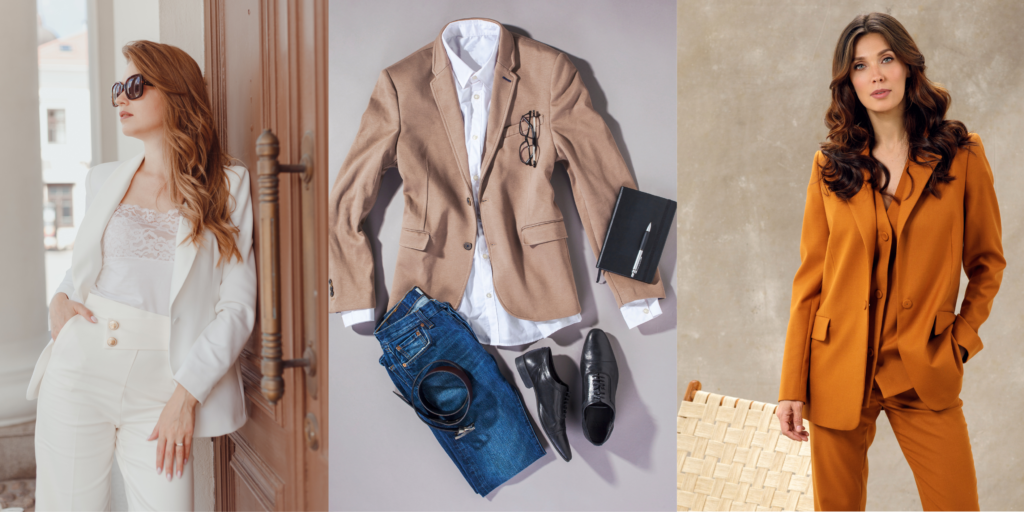
How to Create a Signature Fashion Identity in 2026
Fashion is more than following trends or buying expensive clothing. True style comes from building a personal fashion identity that reflects individuality, lifestyle, personality, and confidence. In 2026, modern fashion is moving away from fast-changing aesthetics and focusing more on authentic self-expression, timeless wardrobes, and wearable style choices that feel natural and personal.
A signature fashion identity helps people feel more confident because it creates consistency within everyday styling. Instead of constantly chasing every social media trend, individuals are now creating wardrobes built around colors, silhouettes, fabrics, and styling techniques that genuinely represent who they are. Personal style has become one of the strongest forms of self-expression in modern fashion culture.
Today’s fashion world embraces minimalist aesthetics, oversized tailoring, streetwear influences, quiet luxury, soft feminine styling, and comfort-focused fashion. This variety allows everyone to develop a unique style identity without feeling restricted by traditional fashion rules.
Creating a signature fashion identity in 2026 is about understanding what makes you feel comfortable, stylish, confident, and authentic while building a wardrobe that supports your daily lifestyle naturally.
Why Personal Fashion Identity Matters
A strong fashion identity makes styling easier and helps build confidence over time. People who understand their style preferences often shop more intentionally and feel more comfortable in their outfits.
A personal fashion identity helps:
- Improve confidence
- Simplify wardrobe choices
- Reduce unnecessary shopping
- Create a polished appearance
- Express individuality naturally
Fashion becomes less stressful when outfits align with personal comfort and aesthetics instead of temporary trends.
Modern style increasingly values authenticity and self-expression over perfection or trend obsession.
Understand Your Lifestyle First
The foundation of a signature style begins with understanding your daily routine and lifestyle needs. Fashion should support your everyday life instead of creating discomfort.
Lifestyle-focused wardrobes may include:
- Casual streetwear
- Minimal office fashion
- Relaxed travel outfits
- Feminine everyday styling
- Luxury casual looks
Ask yourself:
- What outfits feel most natural?
- Which clothes do you wear repeatedly?
- What environments influence your daily style?
Your wardrobe should reflect how you actually live instead of an unrealistic fantasy aesthetic.
Comfort and practicality remain essential parts of modern personal style.
Discover Which Fashion Aesthetic Fits You
Fashion identity often becomes clearer when you explore aesthetics that match your personality.
Popular fashion aesthetics in 2026 include:
- Minimalist fashion
- Quiet luxury
- Streetwear
- Soft feminine style
- Monochrome fashion
- Korean-inspired fashion
- Romantic styling
- Casual chic
Exploring aesthetics helps:
- Narrow styling preferences
- Improve wardrobe consistency
- Build visual inspiration
Fashion identity does not need to fit into one category completely.
Many stylish wardrobes combine multiple influences naturally.
Build a Wardrobe Around Timeless Basics
Timeless basics create the strongest foundation for a signature fashion identity because they remain versatile and wearable across trends.
Essential wardrobe basics include:
- Neutral t-shirts
- Straight-leg denim
- Oversized blazers
- White sneakers
- Minimal knitwear
- Structured outerwear
Timeless basics help:
- Simplify styling
- Improve outfit versatility
- Reduce fashion mistakes
- Support sustainable shopping
Modern fashion increasingly values capsule wardrobes built around high-quality essentials instead of excessive trend shopping.
Simple clothing often creates the most sophisticated style identities.
Choose a Consistent Color Palette
A consistent color palette helps wardrobes feel cohesive and polished naturally.
Popular signature style color palettes include:
- Neutral monochrome shades
- Soft earth tones
- Black and white minimalism
- Pastel feminine palettes
- Dark luxury-inspired colors
Consistent colors:
- Make outfit styling easier
- Improve wardrobe versatility
- Create visual identity
Many fashion icons maintain recognizable style through color consistency rather than dramatic trends.
Neutral colors especially support timeless fashion aesthetics beautifully.
For modern wardrobe inspiration and style guidance, many fashion enthusiasts explore Who What Wear Fashion for capsule wardrobe tips and personal styling inspiration.
Learn Which Silhouettes Suit You Best
Personal style becomes stronger when clothing silhouettes feel flattering and comfortable.
Popular modern silhouettes include:
- Oversized tailoring
- Relaxed denim
- Structured blazers
- Minimal body-skimming dresses
- Wide-leg trousers
Finding your preferred silhouettes helps:
- Improve confidence
- Create consistency
- Simplify shopping decisions
Modern fashion increasingly prioritizes comfort-focused silhouettes rather than restrictive fits.
The best silhouettes are the ones that feel effortless and wearable daily.
Accessories Help Define Personal Style
Accessories play a major role in creating a recognizable fashion identity because they add individuality to simple outfits.
Popular signature accessories include:
- Gold jewelry
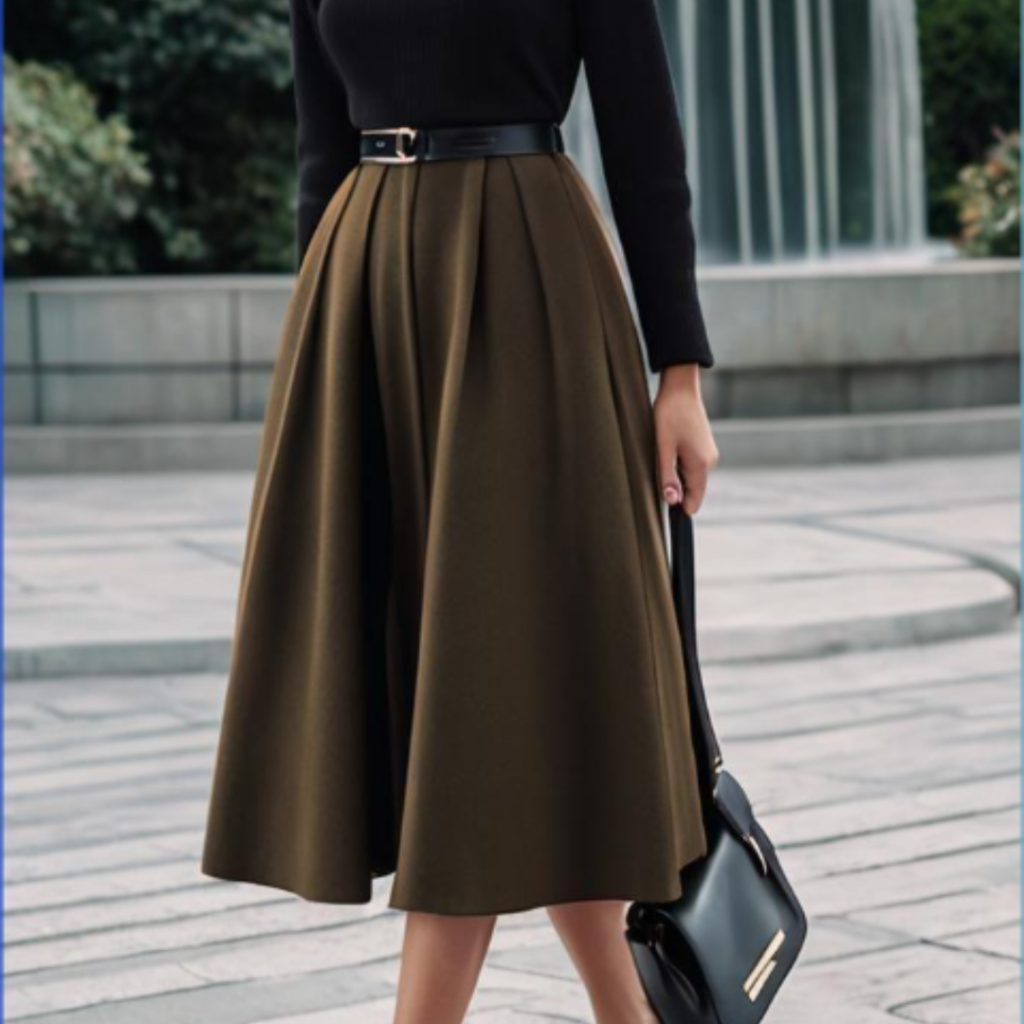
- Structured handbags
- Minimal sunglasses
- Layered necklaces
- Watches
- Scarves
Accessories help:
- Personalize outfits
- Add consistency
- Elevate basics naturally
Many people develop signature style through recurring accessory choices rather than dramatic clothing trends.
Minimal accessories often create stronger sophistication than excessive styling.
Avoid Following Every Fashion Trend
One of the biggest mistakes people make is constantly changing style direction based on social media trends.
Not every trend needs to:
- Match your personality
- Fit your lifestyle
- Become part of your wardrobe
Instead:
- Select trends carefully
- Adapt trends naturally
- Prioritize timeless pieces
Fashion confidence grows when clothing choices feel authentic instead of trend-driven.
Personal style becomes more recognizable through consistency rather than constant change.
Create Outfit Formulas That Work
Fashion identity becomes easier when you develop repeatable outfit combinations that feel comfortable and stylish.
Popular outfit formulas include:
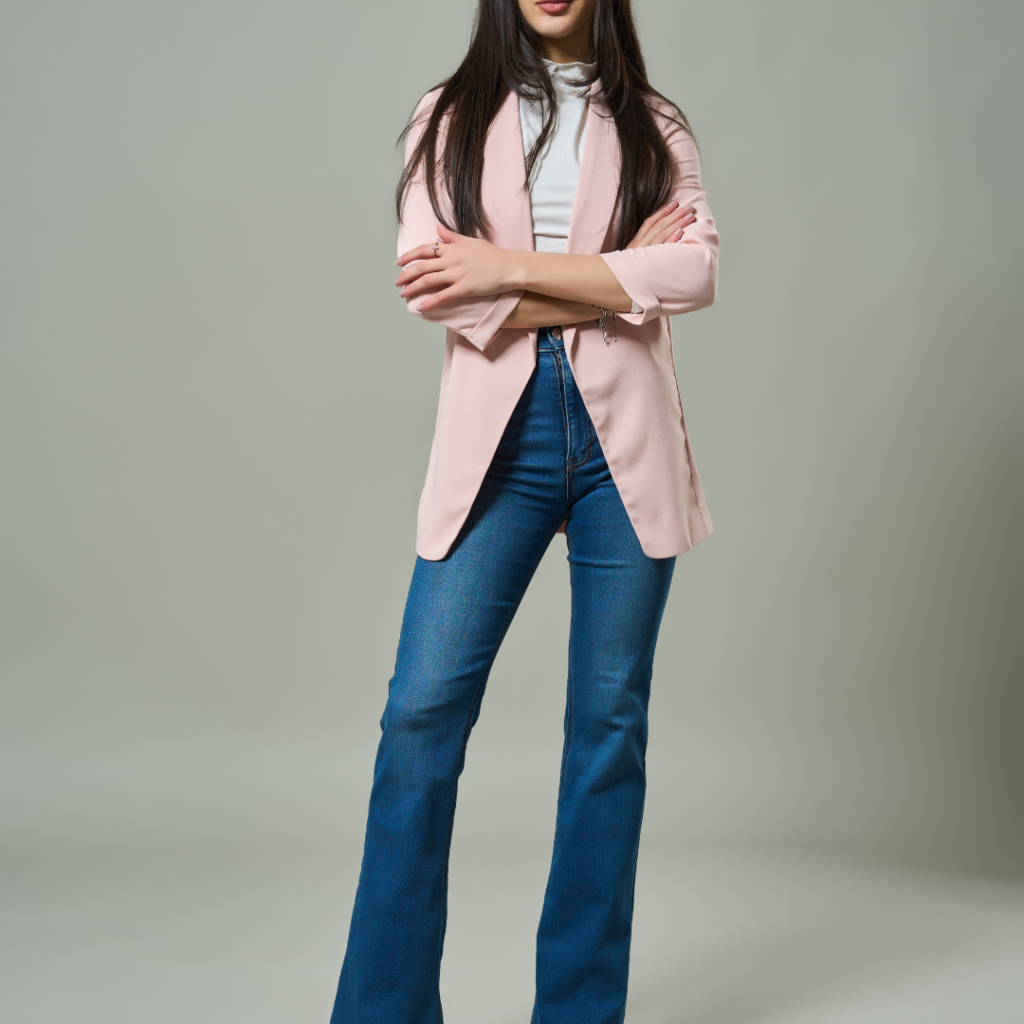
- Oversized blazer + denim + sneakers
- Monochrome knitwear + trousers
- Satin skirt + neutral top
- Relaxed streetwear + minimal accessories
Outfit formulas help:
- Reduce styling stress
- Improve confidence
- Build consistency
Many stylish people repeat similar outfit structures regularly while changing small details.
Fashion identity often develops through repetition and refinement.
Confidence Is the Most Important Element
Clothing alone does not create style identity. Confidence strongly influences how outfits appear overall.
Fashion confidence grows when:
- Clothing feels comfortable
- Outfits reflect personality
- Styling feels authentic
Modern fashion increasingly celebrates:
- Individuality
- Body positivity
- Creative self-expression
The most stylish people often wear simple outfits confidently instead of following every trend.
Authenticity always creates stronger personal style than imitation.
Social Media Can Inspire — Not Define — Your Style
Social media offers endless outfit inspiration, but copying influencers completely often weakens personal style development.
Use fashion content to:
- Discover inspiration
- Explore aesthetics
- Learn styling techniques
Avoid:
- Constant comparison
- Trend pressure
- Impulse shopping
Fashion identity becomes stronger when inspiration is adapted thoughtfully instead of copied directly.
Personal style should evolve naturally based on your preferences
Quiet Luxury and Minimal Fashion Influence
Quiet luxury continues influencing signature fashion identities because it focuses on timeless elegance and wearable sophistication.
Quiet luxury style includes:
- Neutral tailoring
- Minimal branding
- High-quality basics
- Elegant simplicity
This trend supports:
- Long-term wardrobe building
- Sustainable shopping
- Timeless style aesthetics
Modern fashion increasingly values subtle sophistication over loud statement fashion.
Simple elegance often creates the strongest personal identity.
For timeless fashion inspiration and luxury styling ideas, many readers visit Vogue Fashion Trends for runway updates and modern style inspiration.
Build a Signature Hairstyle or Beauty Look
Personal style extends beyond clothing into beauty and grooming choices.
A recognizable style identity may include:
- Minimal makeup
- Signature hairstyles
- Neutral nail colors
- Soft glam beauty looks
Consistent beauty styling helps:
- Strengthen fashion identity
- Create polished aesthetics
- Improve confidence
Fashion and beauty often work together to create memorable personal style.
Small details frequently define overall aesthetics.
Sustainable Fashion Builds Stronger Style
Sustainable wardrobe habits often improve personal style because they encourage intentional shopping.
Sustainable fashion habits include:
- Buying versatile basics
- Repeating outfits creatively
- Choosing quality over quantity
- Avoiding impulse trends
Thoughtful wardrobes:
- Feel more cohesive
- Reduce clutter
- Improve styling confidence
Fashion identity becomes clearer when wardrobes contain pieces that genuinely reflect personal taste.
Minimal overconsumption supports stronger long-term style development
Fashion Icons and Inspiration
Many fashion icons became recognizable because of consistency rather than trend obsession.
Signature style examples often include:
- Monochrome dressing
- Structured tailoring
- Minimal accessories
- Timeless silhouettes
Fashion identity does not require expensive wardrobes.
Consistency and confidence often matter more than luxury brands.
Personal style should feel wearable, natural, and adaptable to everyday life.
Tips for Creating a Signature Fashion Identity
Focus on Comfort First
Comfort naturally improves confidence and outfit consistency.
Build Around Timeless Basics
Classic pieces create versatile wardrobes.
Choose a Consistent Color Palette
Color consistency strengthens style identity.
Repeat What Works
Signature style develops through repetition and refinement.
Ignore Unnecessary Trends
Not every trend deserves space in your wardrobe.
Fashion identity grows gradually through self-awareness and experimentation
Final Thoughts
Creating a signature fashion identity in 2026 is about building confidence through authentic style choices, timeless wardrobe staples, and wearable outfit combinations that reflect individuality naturally. From minimalist basics and monochrome styling to quiet luxury aesthetics and relaxed tailoring, personal style continues evolving toward comfort, consistency, and self-expression.
Modern fashion no longer demands perfection or constant trend-following. Instead, it encourages people to create wardrobes that feel practical, stylish, and personal while supporting everyday lifestyles comfortably.
As fashion continues moving toward authenticity and sustainable style habits, developing a signature fashion identity remains one of the most powerful ways to express personality, creativity, and confidence through timeless everyday fashion.
More Blogs you may read
Ultimate Ethnic Wear Styling Ideas for a Stunning Traditional Look 2026
Ethnic Wear Styling Ideas Ethnic fashion continues to remain one...
Read More
Airport Fashion Looks: Comfortable and Stylish Travel Outfit Ideas 2026
Airport Fashion Looks Travel fashion has become one of the...
Read MoreSlow Fashion vs Fast Fashion: Understanding Modern Fashion Choices 2026
Slow Fashion vs Fast Fashion The fashion industry has changed...
Read More