
Why Watches Remain Relevant in the Smartphone Era
The rise of smartphones transformed the way people communicate, work, shop, travel, and access information. With a simple glance at a smartphone screen, users can check the time, set reminders, monitor schedules, and manage countless daily tasks. When smartphones became widely available, many industry experts predicted that traditional watches would gradually lose their importance. Surprisingly, that prediction never fully materialized. Instead, watches continue to thrive and maintain a strong presence in both fashion and lifestyle markets. Understanding Why Watches Remain Relevant in the Smartphone Era reveals a fascinating story about personal identity, craftsmanship, technology, and human behavior.
Today, watches are far more than timekeeping devices. They represent style, status, self-expression, heritage, and functionality. Whether it is a luxury mechanical watch, a classic analog design, or a feature-rich smartwatch, wristwatches continue attracting consumers across generations.
The growing discussion around Why Watches Remain Relevant in the Smartphone Era highlights how certain products retain their value even when technology offers alternative solutions. Watches have evolved from practical necessities into meaningful accessories that reflect personal preferences and lifestyle choices.
Understanding the Enduring Appeal of Watches
To fully understand Why Watches Remain Relevant in the Smartphone Era, it is important to recognize that watches serve multiple purposes beyond displaying time.
While smartphones provide accurate time information, watches offer convenience, elegance, and accessibility. A quick glance at the wrist is often faster and less disruptive than reaching for a phone.
More importantly, watches carry emotional and symbolic significance. They often represent achievement, tradition, personal milestones, and individual style.
This combination of practicality and meaning helps explain their lasting appeal.
Why Watches Have Become Style Statements
One of the strongest reasons behind Why Watches Remain Relevant in the Smartphone Era is their role as fashion accessories. Watches contribute significantly to personal style and visual identity.
Unlike smartphones, which are often hidden in pockets or bags, watches remain visible throughout the day. They complement clothing choices and communicate aspects of personality.
A sleek minimalist watch may reflect sophistication, while a bold sports watch may suggest energy and adventure. Luxury watches often symbolize success and craftsmanship.
Consumers increasingly use watches as extensions of their personal style.
This fashion-driven relevance continues supporting the global watch industry.
The Connection Between Watches and Personal Identity
Personal identity plays a major role in Why Watches Remain Relevant in the Smartphone Era. People frequently choose watches that align with their values, preferences, and lifestyle aspirations.
A watch becomes part of an individual’s daily appearance and routine. Over time, it may become closely associated with their image and personality.
Unlike many digital devices that are replaced frequently, watches often remain in use for years.
This longevity strengthens emotional attachment and personal connection.
Consumers appreciate products that help express individuality and create lasting impressions.
Why Craftsmanship Still Matters
Craftsmanship is another important factor behind Why Watches Remain Relevant in the Smartphone Era. Many traditional watches represent remarkable engineering, precision, and artistry.
Mechanical timepieces often contain intricate movements composed of numerous carefully assembled components. Their construction requires expertise, patience, and technical skill.
Watch enthusiasts admire these qualities because they reflect human ingenuity and dedication.
Even in a technology-driven world, appreciation for craftsmanship remains strong.
Consumers continue valuing products that demonstrate quality, heritage, and attention to detail.
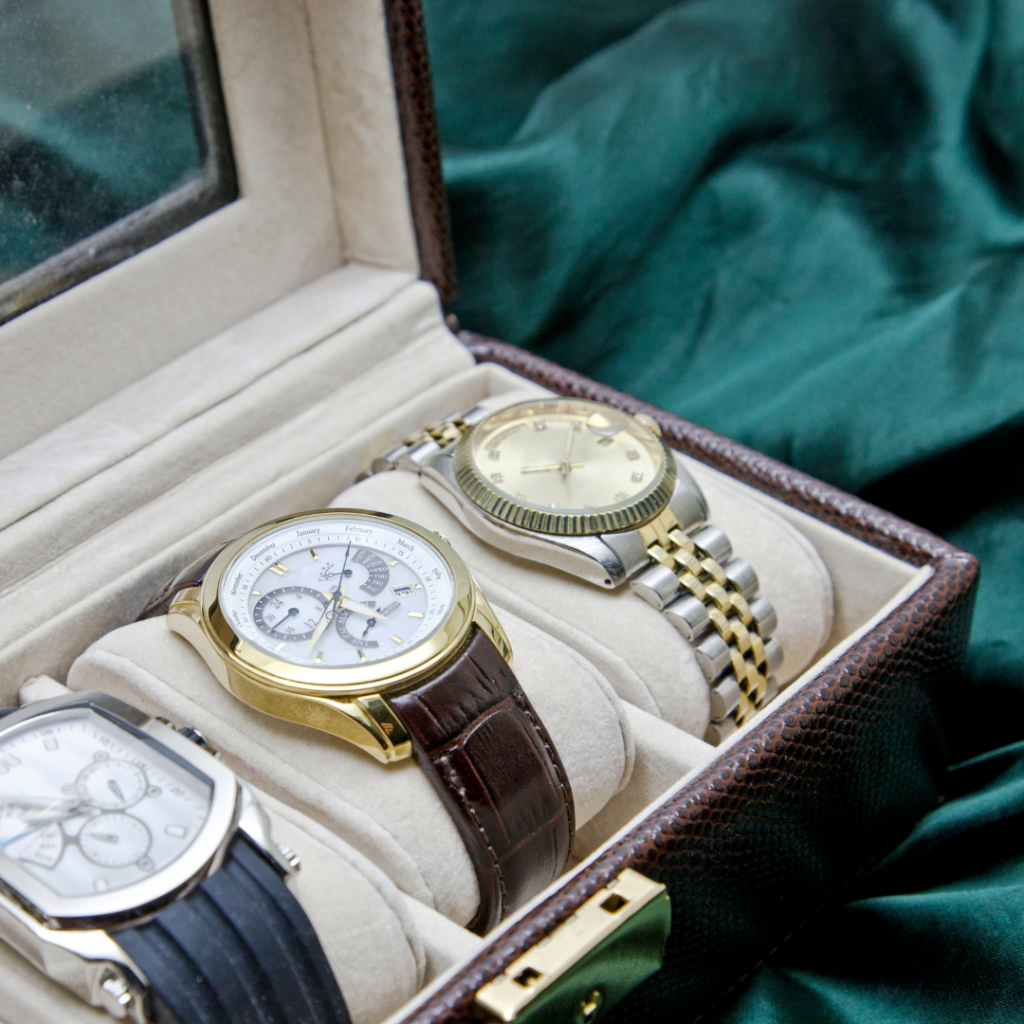
The Rise of Watch Collecting Culture
The growing popularity of watch collecting contributes significantly to Why Watches Remain Relevant in the Smartphone Era. For many enthusiasts, watches represent more than accessories.
Collecting watches involves appreciation for history, design, innovation, and storytelling. Certain models carry cultural significance or commemorate important moments in time.
Collectors often view watches as meaningful possessions rather than disposable products.
This passion creates strong communities and long-term engagement within the watch industry.
The collecting culture helps sustain demand across multiple market segments.
Why Convenience Still Favors Wristwatches
Convenience remains an important reason behind Why Watches Remain Relevant in the Smartphone Era. Although smartphones provide time-related functions, accessing them often requires multiple steps.
Checking a watch is immediate and effortless. It allows users to stay informed without interruptions or distractions.
This simplicity becomes particularly valuable during meetings, social interactions, travel, and physical activities.
Consumers appreciate tools that deliver quick information without requiring full engagement with digital devices.
The convenience of wristwatches continues offering practical advantages in everyday life.
The Influence of Smartwatches
An interesting aspect of Why Watches Remain Relevant in the Smartphone Era is the emergence of smartwatches. Rather than replacing traditional watches entirely, smartwatches expanded the category.
These devices combine timekeeping with fitness tracking, notifications, health monitoring, and connectivity features.
Consumers who value technology appreciate the additional functionality offered by smartwatches.
At the same time, traditional watch enthusiasts continue supporting mechanical and analog designs.
The coexistence of smartwatches and traditional watches demonstrates the category’s adaptability.
This diversity contributes to long-term relevance.
Why Luxury Watches Continue Thriving
Luxury watches remain a major factor in Why Watches Remain Relevant in the Smartphone Era. High-end timepieces often represent achievement, exclusivity, and personal success.
Unlike smartphones, which rapidly become outdated, luxury watches frequently retain value and appeal over long periods.
Many consumers view luxury watches as investments in quality and craftsmanship.
Their durability and prestige create strong emotional and financial incentives for ownership.
Luxury brands continue attracting consumers despite rapid technological change.
This resilience highlights the unique position of watches within the accessory market.
Watches as Symbols of Achievement
Another reason Why Watches Remain Relevant in the Smartphone Era is their association with personal milestones. Watches are often gifted to celebrate achievements such as graduations, promotions, anniversaries, and special accomplishments.
These occasions create emotional connections that smartphones rarely replicate.
A watch may serve as a reminder of hard work, perseverance, or meaningful relationships.
This symbolic value strengthens attachment and increases long-term significance.
Consumers often cherish watches because of the stories they represent.
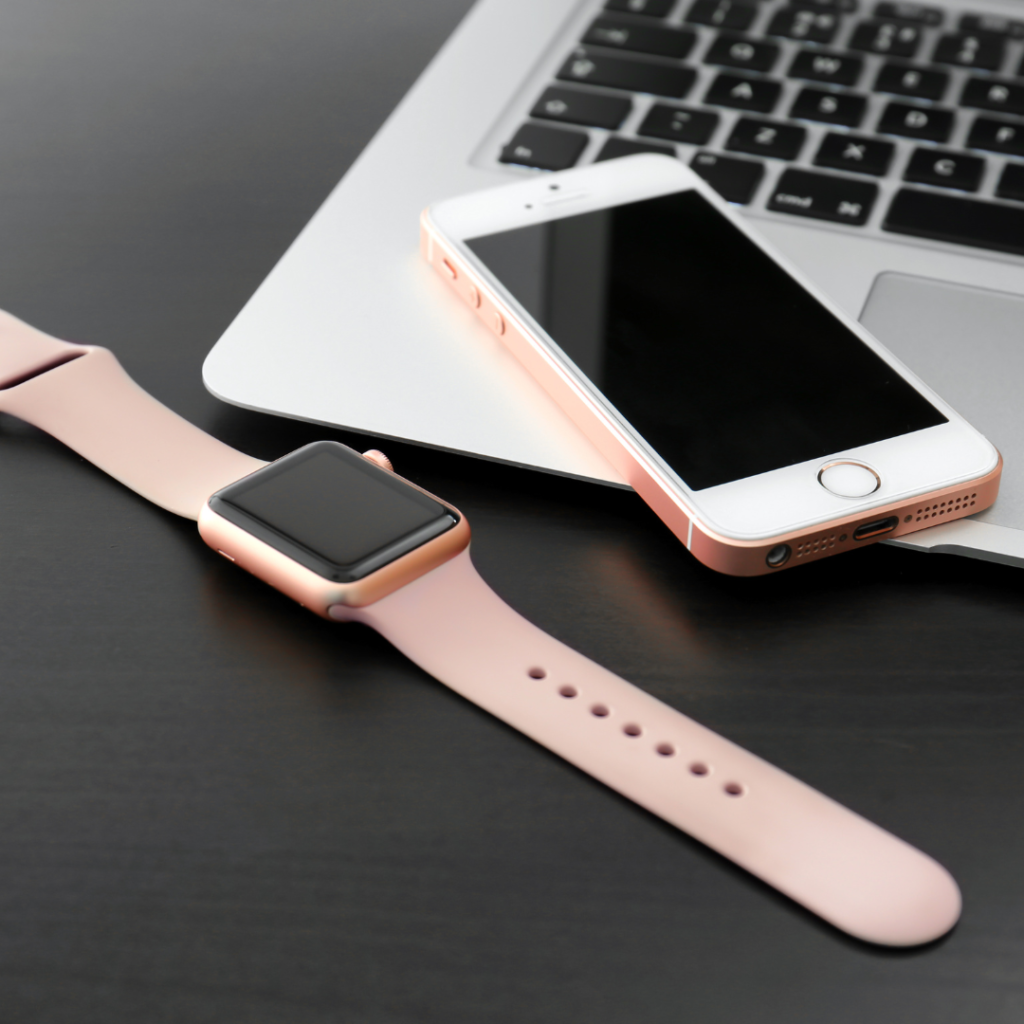
Why Digital Fatigue Is Influencing Consumer Choices
Digital fatigue is becoming increasingly relevant to Why Watches Remain Relevant in the Smartphone Era. Modern consumers spend significant amounts of time interacting with screens throughout the day.
Many individuals seek opportunities to reduce unnecessary digital engagement.
Watches offer a simple and focused alternative for checking time without becoming distracted by notifications, messages, or social media content.
This ability to provide information without digital overload appeals to consumers seeking balance.
The desire for simplicity continues supporting watch usage.
Social Status and Professional Image
Professional image contributes to Why Watches Remain Relevant in the Smartphone Era. In many industries, watches remain associated with reliability, discipline, and attention to detail.
A carefully selected watch can enhance professional appearance and reinforce personal branding.
Consumers often use watches to communicate competence, confidence, and sophistication.
These visual signals continue influencing purchasing decisions across different demographics.
The connection between watches and professional identity remains strong.
Challenges Facing Traditional Watches
While discussing Why Watches Remain Relevant in the Smartphone Era, it is important to acknowledge challenges. Smartphones undeniably reduced the necessity of watches as primary timekeeping tools.
Some consumers question the need for a separate device when phones already provide similar information.
However, the watch industry has responded by emphasizing craftsmanship, design, heritage, personalization, and technological innovation.
These strengths differentiate watches from smartphones and preserve their relevance.
Adaptation has become a key factor in the industry’s continued success.
The Future of Watches in a Digital World
The future of Why Watches Remain Relevant in the Smartphone Era appears highly promising. Consumer demand for personal expression, luxury accessories, wearable technology, and meaningful products continues growing.
Future watch designs are likely to combine advanced technology with timeless aesthetics. Smart features, sustainable materials, personalized experiences, and innovative craftsmanship may shape the next generation of timepieces.
The industry’s ability to balance tradition and innovation will remain a major advantage.
Watches continue evolving while preserving the qualities that made them desirable in the first place.
Conclusion
Why Watches Remain Relevant in the Smartphone Era reflects the enduring power of products that combine functionality, craftsmanship, identity, and emotional value. Although smartphones provide convenient access to timekeeping features, watches offer something much deeper.
They serve as symbols of personal style, achievement, heritage, professionalism, and self-expression. Whether through luxury mechanical designs, contemporary fashion watches, or advanced smartwatches, the watch industry continues adapting to changing consumer needs.
As technology evolves and lifestyles change, watches remain uniquely positioned as both practical tools and meaningful accessories. Their ability to connect tradition with innovation ensures they will continue holding an important place in modern culture. In a world dominated by digital devices, watches prove that timeless value never truly goes out of style.