
The New Psychology of Purposeful Dressing
Fashion is no longer simply about looking attractive or following the latest trend. In today’s rapidly changing world, people are becoming more intentional about what they wear and why they wear it. Clothing has evolved from a basic necessity into a powerful tool for communication, confidence, self-expression, and personal identity. This shift has given rise to what many experts describe as the new psychology of purposeful dressing.
Purposeful dressing is the practice of choosing clothing with intention rather than relying on impulse, habit, or social pressure. It reflects a deeper understanding of how fashion influences emotions, behavior, confidence, and perception. Modern consumers are increasingly selecting outfits that align with their goals, values, lifestyle, and personal image. As a result, fashion is becoming more meaningful and less dependent on temporary trends.
The new psychology of purposeful dressing highlights the growing connection between clothing and mindset. People are recognizing that the garments they wear can influence how they feel, how they perform, and how others perceive them. This transformation is reshaping fashion habits, consumer behavior, and personal style development across different age groups and lifestyles.
Understanding the new psychology of purposeful dressing reveals why intentional fashion choices are becoming a defining characteristic of modern wardrobes and why thoughtful clothing decisions are gaining more attention than ever before.
Understanding Purposeful Dressing in Modern Fashion
Purposeful dressing goes beyond selecting clothing that simply looks appealing. It involves making intentional choices that support personal goals, emotional well-being, and self-expression.
The new psychology of purposeful dressing is based on the idea that clothing serves a function beyond appearance. Fashion communicates messages about identity, confidence, professionalism, creativity, and values. Every outfit sends signals, whether consciously or unconsciously.
Modern consumers are becoming increasingly aware of these signals. Instead of purchasing clothing solely because it is fashionable, many people evaluate whether garments align with their lifestyle and aspirations.
This shift reflects a broader movement toward intentional living.
Purposeful dressing encourages consumers to think carefully about how clothing contributes to their daily experiences.
The focus moves away from short-lived excitement and toward long-term satisfaction, authenticity, and personal meaning.
As awareness grows, purposeful dressing continues becoming an important aspect of modern fashion culture.
Why Clothing Influences Human Psychology
The relationship between clothing and psychology has been studied extensively. Research suggests that clothing can affect emotions, confidence, behavior, and cognitive performance.
The new psychology of purposeful dressing is closely connected to the concept of enclothed cognition, which explores how clothing influences mental processes.
People often feel different when wearing certain outfits. Professional attire may encourage focus and confidence, while comfortable clothing may create feelings of relaxation and ease.
These responses occur because clothing carries symbolic meaning.
Individuals often associate specific garments with particular roles, experiences, or aspirations.
Purposeful dressing recognizes these psychological influences and uses them intentionally.
Instead of allowing clothing choices to happen automatically, individuals make decisions that support desired emotional and behavioral outcomes.
This awareness strengthens the connection between fashion and personal development.
Fashion becomes a tool for shaping mindset and performance.
The Shift From Trend Following to Intentional Style
For many years, fashion marketing emphasized trend adoption. Consumers were encouraged to continuously update wardrobes in response to changing styles.
However, the new psychology of purposeful dressing reflects a growing departure from this approach.
Modern consumers increasingly value authenticity over conformity.
Rather than following every trend, individuals are developing wardrobes that reflect personal identity and practical needs.
This shift reduces the pressure to constantly chase new fashion movements.
Consumers are becoming more selective about their purchases.
They seek clothing that supports their lifestyle, enhances confidence, and aligns with personal values.
Purposeful dressing encourages thoughtful decision-making rather than impulsive consumption.
As a result, wardrobes often become more cohesive, functional, and meaningful.
Fashion transforms from a reaction to external influences into an expression of internal priorities.
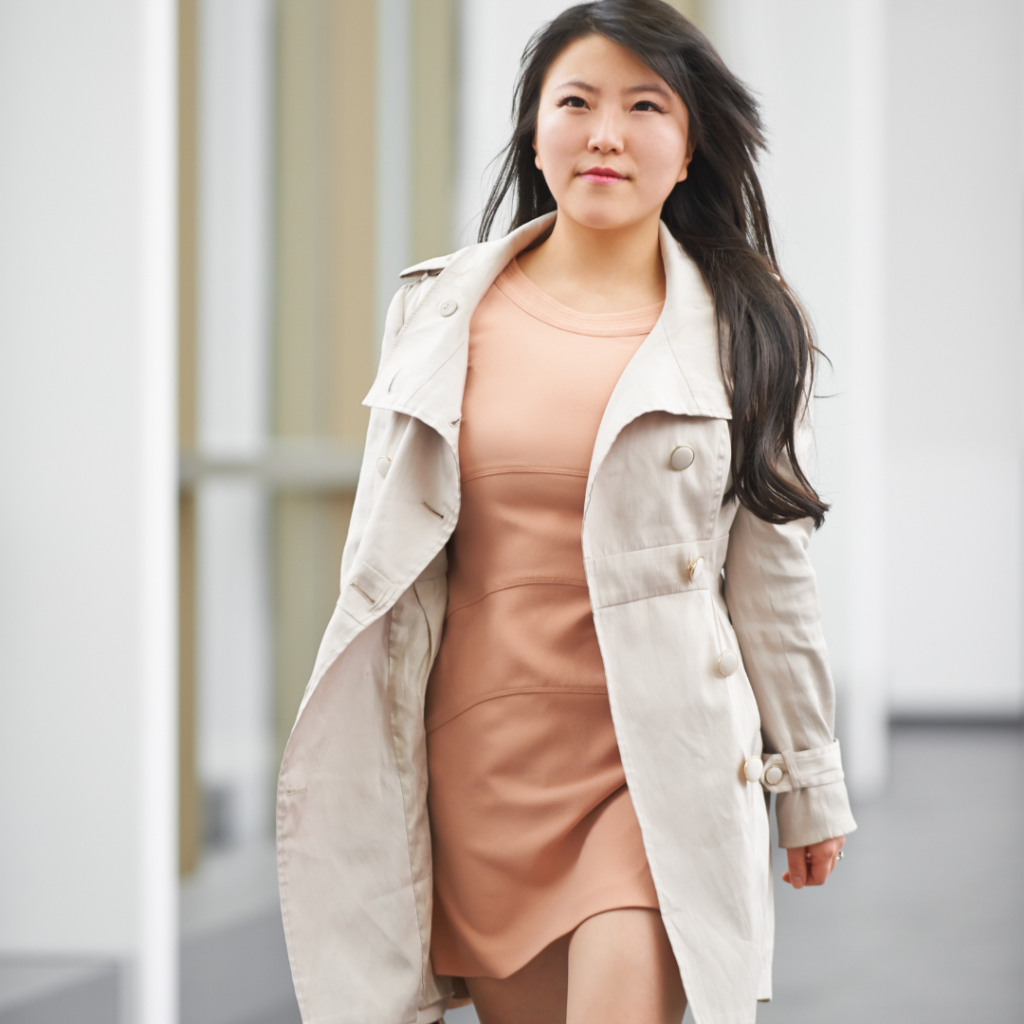
How Purposeful Dressing Builds Confidence
Confidence is one of the strongest benefits associated with purposeful dressing.
People often perform better when they feel comfortable and aligned with their appearance.
The new psychology of purposeful dressing emphasizes the role of clothing in supporting self-confidence.
When individuals intentionally select outfits that reflect their goals and personality, they frequently experience greater self-assurance.
Purposeful dressing helps eliminate uncertainty about appearance.
Instead of worrying about fitting in or following trends, people focus on presenting themselves authentically.
This creates a stronger connection between personal identity and external presentation.
Confidence influences communication, decision-making, and social interactions.
Clothing cannot create talent or expertise, but it can support the mindset needed to express those qualities effectively.
As a result, purposeful dressing has become an important tool for personal and professional growth.
The Connection Between Purposeful Dressing and Personal Branding
In today’s interconnected world, personal branding has become increasingly important.
Whether in professional environments, social settings, or digital spaces, individuals are constantly communicating messages about themselves.
The new psychology of purposeful dressing highlights the role of fashion in shaping personal branding.
Clothing serves as a visual representation of identity, values, and aspirations.
Purposeful dressing allows individuals to align their appearance with the image they want to project.
A creative professional may use fashion to communicate innovation and originality. A business leader may prioritize sophistication and credibility.
These choices help create consistency between personal goals and public perception.
Purposeful dressing strengthens authenticity because appearance becomes intentional rather than accidental.
Personal branding through fashion is becoming increasingly relevant in modern society.
Why Consumers Are Prioritizing Quality Over Quantity
The rise of purposeful dressing has contributed to changing purchasing habits.
Consumers are increasingly prioritizing quality, versatility, and durability.
The new psychology of purposeful dressing encourages individuals to view clothing as an investment rather than a disposable product.
Instead of accumulating large quantities of garments, many people focus on acquiring pieces that provide lasting value.
This approach supports both financial efficiency and sustainability.
High-quality clothing often offers better fit, comfort, and longevity.
Purposeful consumers evaluate purchases more carefully because every item serves a specific purpose within their wardrobe.
This intentional mindset reduces unnecessary spending and encourages more meaningful ownership.
The growing preference for quality over quantity reflects broader changes in consumer behavior and fashion values.

How Purposeful Dressing Supports Emotional Well-Being
Fashion influences emotions in subtle yet significant ways.
The new psychology of purposeful dressing recognizes that clothing can contribute to emotional well-being.
When people feel aligned with their appearance, they often experience greater comfort, confidence, and satisfaction.
Purposeful dressing helps individuals create wardrobes that support positive emotional experiences.
Colors, fabrics, fit, and personal associations all influence how clothing affects mood.
Some garments provide a sense of security, while others encourage confidence or creativity.
By selecting clothing intentionally, individuals can create emotional environments that support daily goals and responsibilities.
This approach transforms fashion into a form of self-care rather than external validation.
The emotional benefits of purposeful dressing contribute to its growing popularity among modern consumers.
The Role of Sustainability in Purposeful Fashion
Sustainability has become an important part of purposeful dressing.
Consumers increasingly recognize the environmental impact of excessive consumption and fast fashion practices.
The new psychology of purposeful dressing encourages more mindful purchasing decisions.
People are becoming more selective about what they buy and why they buy it.
This shift supports sustainable fashion by reducing unnecessary consumption and promoting longer garment lifecycles.
Purposeful wardrobes often emphasize timeless pieces, versatile designs, and durable materials.
Consumers seek clothing that remains relevant beyond a single season.
This approach aligns fashion choices with broader environmental and ethical values.
Sustainability and purposeful dressing share a common goal: creating meaningful value through intentional decisions.
Their connection continues strengthening as consumer awareness grows.
How Technology Is Influencing Purposeful Dressing
Technology is reshaping the fashion industry in numerous ways.
Digital styling tools, personalized recommendations, and virtual shopping experiences are helping consumers make more informed decisions.
The new psychology of purposeful dressing benefits from these innovations because technology supports greater personalization.
Consumers can discover clothing that aligns with their preferences, body types, and lifestyle needs more efficiently.
Technology also increases access to information about sustainability, quality, and brand values.
This transparency supports intentional purchasing behavior.
As digital tools continue evolving, purposeful dressing is likely to become even more accessible.
Technology empowers consumers to make decisions based on personal priorities rather than marketing pressure alone.
The future of fashion will increasingly combine innovation with intentionality.
Why Purposeful Dressing Represents the Future of Fashion
Fashion is entering a new era defined by authenticity, functionality, and meaning.
The new psychology of purposeful dressing reflects broader cultural shifts toward intentional living and conscious decision-making.
Consumers are seeking more than visual appeal.
They want clothing that supports their goals, values, confidence, and lifestyle.
Purposeful dressing provides a framework for achieving these objectives.
As consumers become more informed and selective, the demand for meaningful fashion experiences will continue growing.
Brands that understand this shift are creating products designed to deliver long-term value rather than temporary excitement.
The future of fashion belongs to intentional choices rather than impulsive consumption.
Purposeful dressing represents a powerful response to changing consumer expectations.
Conclusion
The new psychology of purposeful dressing reveals how fashion is evolving beyond appearance and trend adoption. Modern consumers are increasingly making intentional clothing choices that support confidence, self-expression, emotional well-being, and personal growth.
Purposeful dressing encourages individuals to align their wardrobes with their identity, values, and goals. It transforms fashion into a tool for communication, authenticity, and empowerment.
As sustainability, quality, and personal branding become more important, purposeful dressing continues gaining relevance across all areas of life.
Ultimately, clothing is more than fabric and design. It influences how people think, feel, and interact with the world. By embracing the principles of purposeful dressing, individuals can create wardrobes that reflect not only who they are today but also who they aspire to become.
That is why the new psychology of purposeful dressing is reshaping modern fashion and redefining the relationship between clothing and personal identity.