The Growing Challenge of Standing Out in a Trend-Driven World
The modern world offers more opportunities for self-expression than any previous generation could have imagined. Social media platforms, digital communities, online shopping, and global fashion access have given individuals countless ways to showcase their personalities and connect with like-minded people. At first glance, this environment appears to encourage uniqueness and creativity. Yet beneath this abundance of choice lies an unexpected reality. The growing challenge of standing out in a trend-driven world has become one of the defining struggles of modern culture.
Every day, millions of people consume similar content, follow the same influencers, purchase comparable products, and participate in rapidly evolving trends. While these shared experiences create connection, they can also make individuality harder to maintain. Consumers often find themselves caught between the desire to belong and the desire to be unique. This tension affects fashion choices, personal branding, career development, social interactions, and even self-confidence.
The growing challenge of standing out in a trend-driven world is not limited to fashion. It reflects broader cultural shifts driven by technology, algorithms, and global connectivity. Understanding this challenge provides valuable insight into how people can preserve authenticity while navigating an increasingly trend-focused society.
The Rise of Trend-Driven Culture
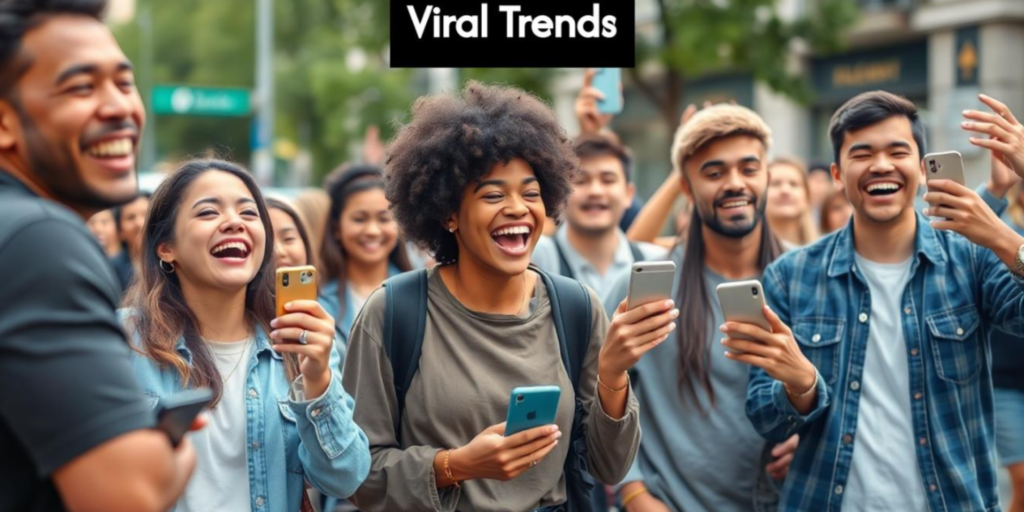
One of the primary reasons behind the growing challenge of standing out in a trend-driven world is the speed at which trends now emerge and spread. In previous decades, trends often developed gradually through magazines, television, music, and local communities.
Today, digital platforms allow trends to travel across continents within hours. A fashion style, social media challenge, or aesthetic movement can reach millions of people almost instantly. Algorithms amplify content that gains attention, creating widespread visibility and encouraging rapid adoption.
As a result, consumers encounter an endless stream of trending ideas. While this creates excitement and inspiration, it also encourages uniformity. When millions of people follow the same trend simultaneously, standing out becomes increasingly difficult.
The growing challenge of standing out in a trend-driven world begins with this unprecedented speed of cultural influence.
Social Media Has Changed the Meaning of Individuality
Social media has become one of the most influential forces shaping modern identity. Platforms provide opportunities for self-expression, but they also create powerful incentives to follow popular behaviors.
Users often see content that has already proven successful with large audiences. Trending outfits, viral aesthetics, and highly visible influencers receive the most attention. Consequently, many individuals unconsciously adopt similar styles and behaviors.
The growing challenge of standing out in a trend-driven world is closely connected to this cycle of visibility and imitation. People seek originality while simultaneously consuming content that encourages conformity.
This contradiction creates a complex environment where individuality is celebrated in theory but often difficult to achieve in practice.
The Desire to Belong Influences Consumer Choices
Human beings naturally seek connection and acceptance. Throughout history, people have adopted behaviors, styles, and customs that help them feel part of a larger community.
Fashion trends, social media movements, and cultural aesthetics often satisfy this need for belonging. Participating in popular trends creates shared experiences and social connection.
However, the growing challenge of standing out in a trend-driven world emerges when the desire to belong begins to outweigh the desire for authenticity. Consumers may choose products, clothing, or lifestyles that align with popular expectations rather than personal preferences.
Over time, this pattern can weaken individual identity and reduce confidence in personal decision-making.
Fashion Trends Often Blur Personal Identity
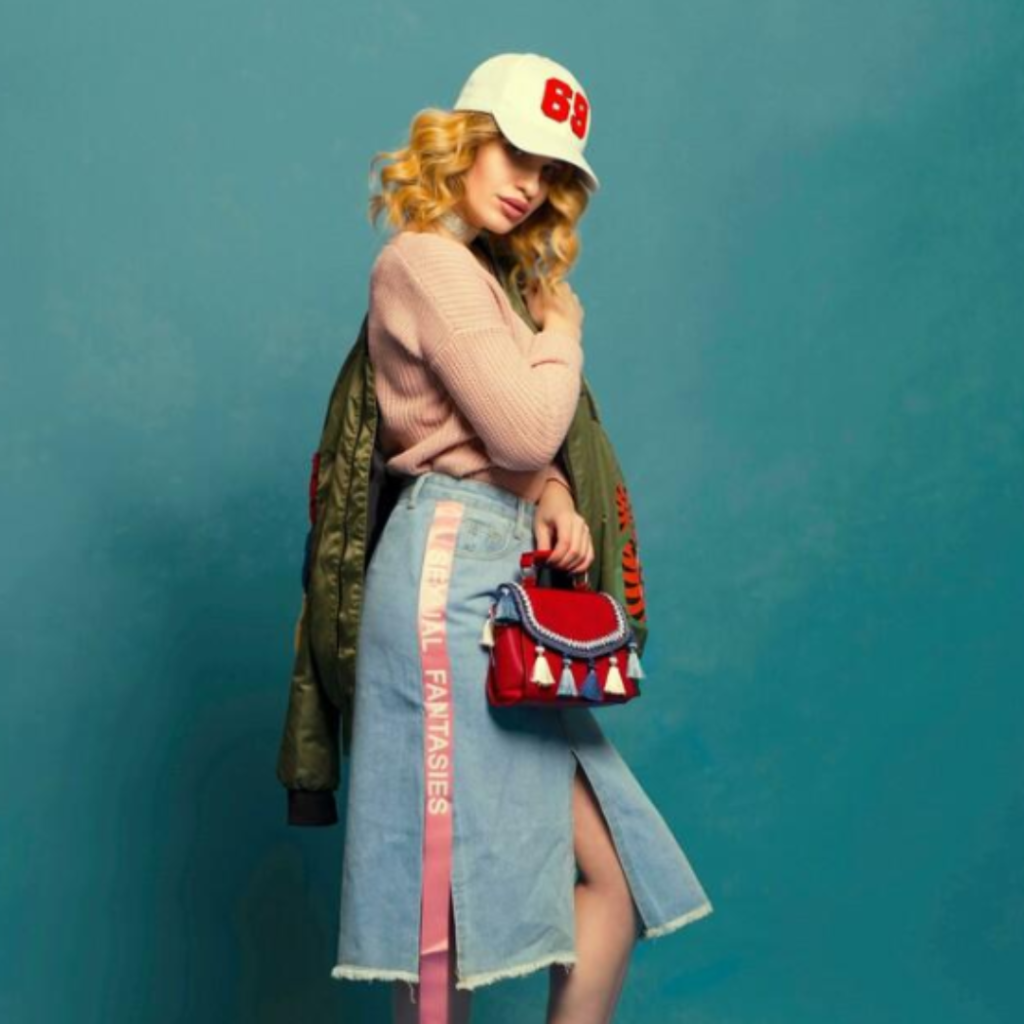
Fashion remains one of the clearest examples of trend-driven behavior. New styles appear constantly, encouraging consumers to update their wardrobes and adopt the latest looks.
While trends can be inspiring, excessive focus on trend participation can make personal style less distinct. Many wardrobes become collections of popular items rather than reflections of individual personality.
The growing challenge of standing out in a trend-driven world is evident in fashion because trends often create visual similarity among large groups of consumers.
People frequently purchase clothing because it is currently fashionable rather than because it genuinely reflects their identity. As a result, personal style can become diluted by external influence.
Algorithms Shape What People See
Many consumers assume their preferences develop independently. However, digital algorithms play a significant role in shaping what people encounter online.
Social media platforms, search engines, and e-commerce websites continuously analyze user behavior to recommend content and products. These recommendations often reinforce existing interests while limiting exposure to alternative perspectives.
The growing challenge of standing out in a trend-driven world is intensified by algorithmic personalization. Consumers are repeatedly exposed to similar content, creating feedback loops that strengthen popular trends.
This environment can make originality more difficult because individuals often receive the same influences as millions of others.
Personal Branding Has Become More Important
As digital visibility increases, personal branding has become a significant factor in professional and social success. Individuals are increasingly expected to communicate a clear identity through their appearance, online presence, and personal choices.
The growing challenge of standing out in a trend-driven world affects personal branding because consumers compete for attention in crowded digital spaces. Simply following trends rarely creates memorable differentiation.
People who successfully stand out often develop consistent values, perspectives, and visual identities that remain authentic regardless of changing trends.
Personal branding requires self-awareness and intentionality rather than constant imitation.
The Fear of Missing Out Drives Trend Participation
Fear of missing out, often referred to as FOMO, plays a major role in trend-driven behavior. Consumers frequently worry that ignoring trends will make them feel disconnected, outdated, or excluded.
This fear encourages participation in trends even when they do not align with personal interests. Social media intensifies this effect by highlighting what others are doing, buying, and experiencing.
The growing challenge of standing out in a trend-driven world is fueled by FOMO because it prioritizes conformity over individuality. Consumers may abandon their own preferences in order to stay connected to popular culture.
Recognizing this influence is an important step toward making more intentional choices.
Authenticity Is Becoming More Valuable
Ironically, as trends become more widespread, authenticity becomes increasingly valuable. Consumers are growing more interested in genuine experiences, unique perspectives, and original voices.
People often connect more strongly with individuals who express themselves honestly rather than simply following popular trends. Authenticity creates trust, credibility, and emotional resonance.
The growing challenge of standing out in a trend-driven world has increased appreciation for authenticity because originality is becoming rarer in highly saturated environments.
Consumers who embrace their individuality often build stronger personal and professional relationships.
Creativity Thrives Beyond Trends
Trends provide inspiration, but creativity often emerges when individuals move beyond established patterns. Some of the most influential innovations in fashion, art, business, and culture have come from people willing to challenge prevailing norms.
The growing challenge of standing out in a trend-driven world highlights the importance of creative thinking. Rather than asking what is currently popular, creative individuals often explore what feels meaningful, useful, or interesting to them personally.
This mindset encourages experimentation and innovation rather than imitation.
Creativity allows individuals to contribute something unique rather than simply participating in existing movements.
Building Confidence Through Self-Expression
Confidence is closely connected to authenticity. Individuals who understand their values, preferences, and strengths often feel more secure in expressing themselves.
The growing challenge of standing out in a trend-driven world becomes easier to navigate when confidence is rooted in self-awareness rather than external validation. People who trust their own judgment are less likely to feel pressured by constantly changing trends.
Fashion, personal branding, and lifestyle choices become more meaningful when they reflect genuine identity.
Authentic self-expression often creates stronger and more lasting impressions than trend participation alone.
Why Consumers Are Returning to Personal Style
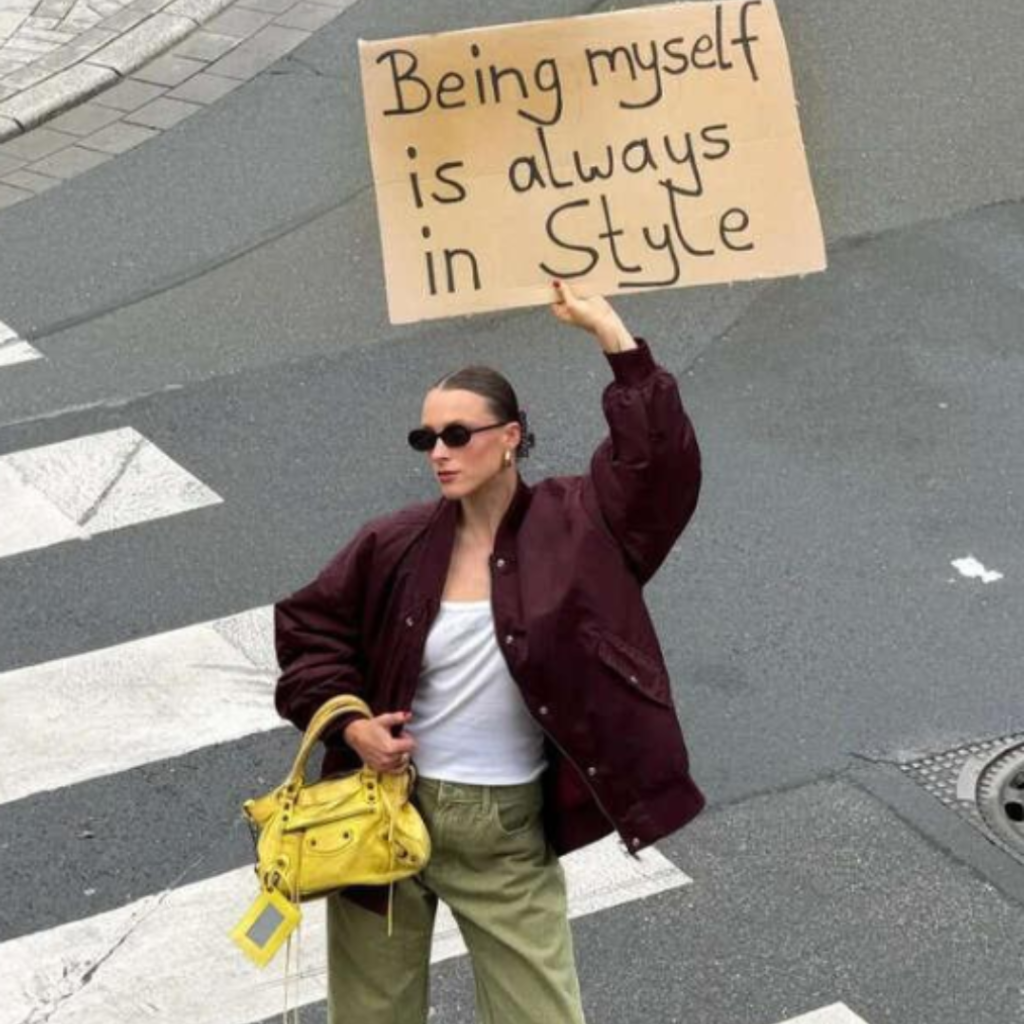
Many consumers are beginning to recognize the limitations of trend-driven living. As a result, there is growing interest in personal style, mindful consumption, and intentional self-expression.
Rather than chasing every trend, people are focusing on understanding what works for them. They are building wardrobes around versatility, quality, and personal preference instead of short-term popularity.
The growing challenge of standing out in a trend-driven world has encouraged many individuals to rediscover the value of originality. Personal style offers a pathway toward greater satisfaction because it reflects authentic identity rather than external expectations.
This shift may represent an important cultural evolution.
The Future of Individuality in a Connected World
As technology continues advancing, trends will likely spread even faster. Artificial intelligence, virtual experiences, and increasingly sophisticated algorithms will shape consumer behavior in new ways.
The growing challenge of standing out in a trend-driven world is unlikely to disappear. However, awareness of these influences provides consumers with greater control over their choices.
Future success may depend less on following trends and more on cultivating authenticity, creativity, and meaningful self-expression.
Individuals who develop strong personal identities will likely navigate changing trends more effectively while maintaining confidence and originality.
Conclusion
The growing challenge of standing out in a trend-driven world reflects the complex relationship between individuality and conformity in modern society. Social media, digital algorithms, fashion trends, and cultural movements create powerful influences that shape consumer behavior every day.
While trends offer inspiration and connection, excessive reliance on them can weaken personal identity and reduce opportunities for authentic self-expression. Consumers often face pressure to conform even as they seek uniqueness.
Fortunately, originality remains possible. By embracing authenticity, developing personal style, thinking creatively, and making intentional choices, individuals can build identities that extend beyond temporary trends. Ultimately, the growing challenge of standing out in a trend-driven world reminds us that true distinction does not come from following what everyone else is doing. It comes from understanding who we are and expressing that identity with confidence, consistency, and purpose.