How Social Media Speeding Up Fashion Fatigue
Introduction
Fashion has always evolved through inspiration, creativity, and cultural influence. For generations, people discovered fashion trends through magazines, television, fashion shows, and retail stores. Trends moved at a manageable pace, giving consumers time to explore styles, develop preferences, and build wardrobes that reflected their personalities.
Today, the relationship between fashion and consumers looks very different. Social media fashion has transformed how trends are created, shared, and consumed. Platforms such as Instagram, TikTok, Pinterest, and other visual networks deliver an endless stream of fashion content every minute of the day. Consumers no longer encounter fashion occasionally; they experience it continuously.
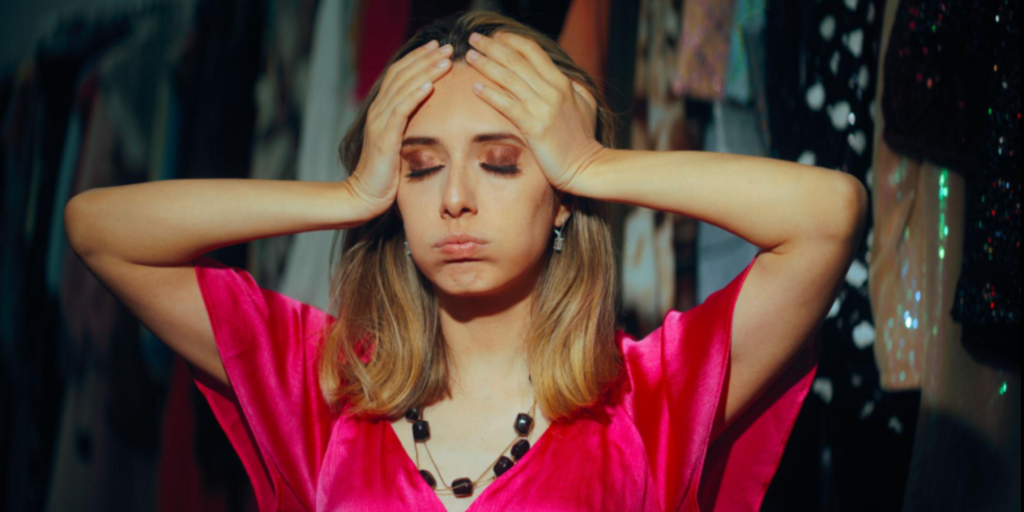
While this constant access has created exciting opportunities for inspiration and creativity, it has also introduced a growing challenge known as fashion fatigue. Many consumers report feeling overwhelmed by the speed of fashion trends, exhausted by constant shopping recommendations, and frustrated by the pressure to keep up with changing styles.
Fashion fatigue is becoming one of the most significant issues in modern fashion culture. It affects shopping habits, personal style, consumer behavior, and overall satisfaction with clothing choices. As social media continues accelerating trend cycles, understanding the connection between social media fashion and fashion fatigue has become increasingly important.
The digital fashion landscape offers unprecedented convenience and inspiration, but it also creates pressures that previous generations never experienced. The question is no longer whether social media influences fashion. The real question is how much that influence is affecting consumer well-being and long-term satisfaction.
The Rise of Social Media Fashion
Social media fashion has completely reshaped the fashion industry. Instead of waiting for seasonal collections or fashion magazines, consumers now receive trend updates instantly through their smartphones.
Fashion influencers, content creators, celebrities, and brands publish new outfit ideas, styling videos, shopping recommendations, and trend forecasts every day. Millions of users consume this content continuously, making fashion more accessible than ever before.
This accessibility has expanded opportunities for creativity and self-expression. Consumers can discover new styles, connect with fashion communities, and explore global fashion trends without leaving home.
However, increased access has also increased exposure. Consumers rarely receive a break from fashion influence because social media operates around the clock.
This constant visibility is one of the primary reasons fashion fatigue is becoming increasingly common.
Why Fashion Trends Move Faster Than Ever
Before the rise of digital platforms, fashion trends often lasted months or even years. Consumers had time to adapt, experiment, and incorporate trends into their personal style.
Today, social media fashion accelerates trend cycles dramatically. A single viral video can introduce a trend to millions of users within hours. Brands quickly respond by producing similar products, and consumers begin purchasing them almost immediately.
As a result, fashion trends often reach peak popularity and decline at extraordinary speeds. What feels new today may feel outdated next month.
This rapid turnover creates a sense of urgency. Consumers feel pressure to participate in trends before they disappear.
The faster trends move, the harder it becomes to maintain long-term satisfaction with clothing purchases.
The Psychology Behind Fashion Fatigue
Fashion psychology helps explain why social media fashion contributes to emotional exhaustion. Human attention is limited, and constant exposure to new information requires ongoing mental processing.
Every day, consumers encounter countless fashion choices, trend updates, styling recommendations, and shopping opportunities. Each interaction requires evaluation and decision-making.
Over time, this process creates cognitive overload. Instead of feeling inspired, consumers begin feeling overwhelmed.
Fashion fatigue emerges when excitement is replaced by exhaustion. Consumers no longer enjoy discovering new styles because the volume of information becomes difficult to manage.
This psychological response is not a rejection of fashion itself. Rather, it reflects the challenge of navigating a fashion environment that never slows down.

How Comparison Culture Fuels Fashion Burnout
One of the most powerful effects of social media fashion is comparison. Consumers constantly encounter images of influencers, celebrities, and creators showcasing carefully curated outfits.
While these images can provide inspiration, they can also create unrealistic expectations. Many individuals compare their wardrobes, appearance, and personal style to highly edited and strategically presented content.
This comparison often leads to dissatisfaction. Consumers may feel their clothing is inadequate, outdated, or less fashionable than what they see online.
Fashion burnout develops when these comparisons become habitual. Instead of appreciating personal style, individuals focus on perceived shortcomings.
The emotional energy required to maintain these comparisons contributes significantly to fashion fatigue.
Fast Fashion and Social Media Work Together
Fast fashion and social media fashion have developed a powerful relationship. Social media introduces trends rapidly, while fast fashion brands respond by making those trends available almost immediately.
Consumers see a popular style online and can often purchase a similar version within days. This speed creates a cycle of constant consumption.
Every new trend generates another wave of products, recommendations, and purchases. Consumers are encouraged to update wardrobes continuously rather than thoughtfully.
While this model supports sales growth, it also contributes to fashion overload. The pace becomes difficult for many consumers to maintain.
Fashion fatigue increases when purchasing decisions feel endless rather than meaningful.
Fashion Overload and Too Many Choices
Modern consumers have access to an extraordinary number of clothing options. Online stores offer thousands of products across countless categories, styles, and brands.
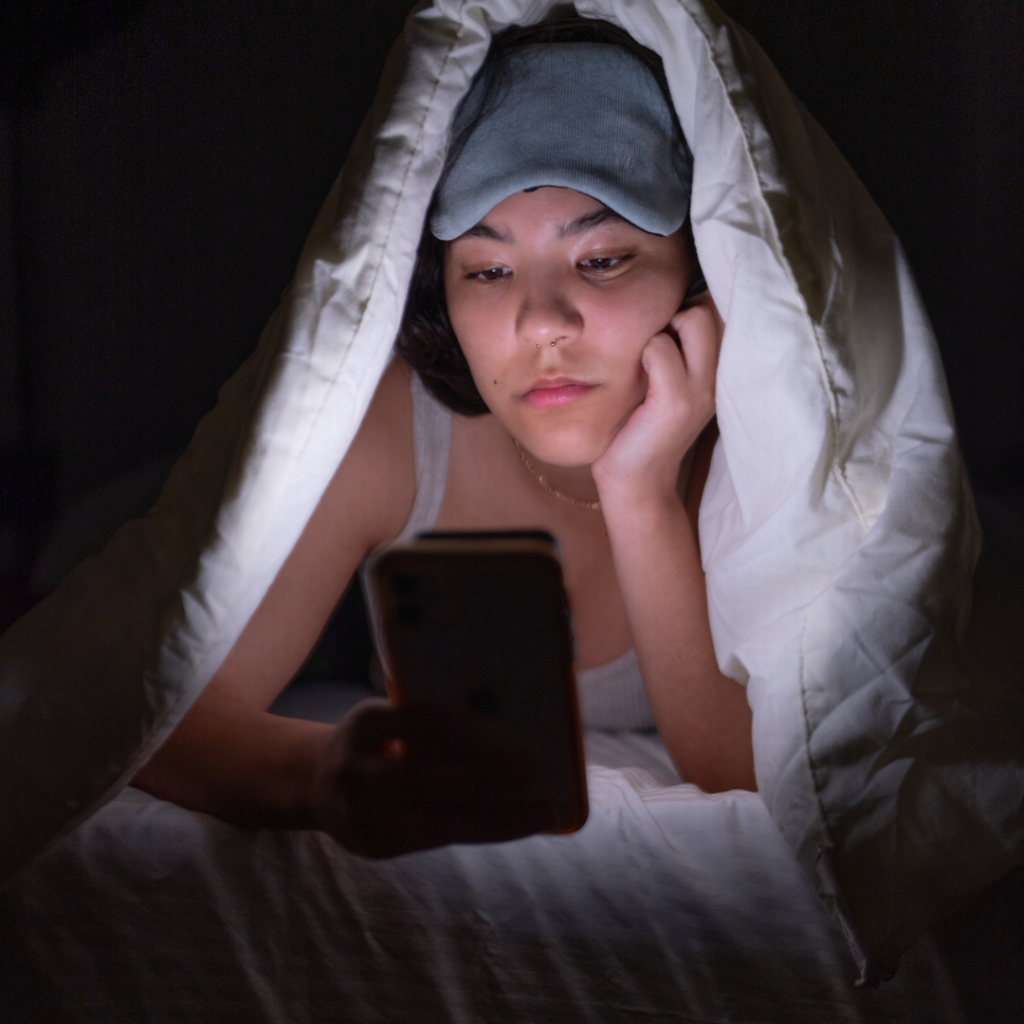
Social media amplifies these choices by constantly introducing new recommendations. Consumers encounter outfit ideas, shopping hauls, and styling tips every time they scroll through their feeds.
While variety can be beneficial, excessive choice often creates decision fatigue. Consumers spend more time evaluating options and less time feeling satisfied with decisions.
Fashion overload occurs when abundance becomes overwhelming rather than empowering.
The challenge is not a lack of options. The challenge is managing an endless supply of options without becoming exhausted.
Why Personal Style Is Being Affected
Fashion fatigue influences more than shopping behavior. It also affects personal style development.
Consumers exposed to constant fashion influence may struggle to identify what they genuinely enjoy wearing. Trends, influencer recommendations, and viral content often shape purchasing decisions more than personal preferences.
As a result, wardrobes become collections of trend-driven items rather than reflections of individual identity.
Personal style requires experimentation and self-awareness. However, constant exposure to external influences can interrupt this process.
Fashion becomes less about self-expression and more about reacting to whatever trend appears next.
This shift contributes to long-term dissatisfaction and weakens confidence in personal style choices.
The Pressure to Always Look Updated
Style pressure is one of the most overlooked consequences of social media fashion. Many consumers feel obligated to appear fashionable at all times.
Social media creates the impression that everyone is constantly updating wardrobes, following trends, and presenting perfect outfits. This perception often encourages unnecessary spending and emotional investment in clothing choices.
The pressure becomes especially intense when consumers associate appearance with social validation.
Fashion should ideally support confidence and creativity. However, when external expectations dominate decision-making, clothing can become a source of stress.
Reducing style pressure is essential for creating healthier relationships with fashion.
Sustainable Fashion as a Response
The growing popularity of sustainable fashion reflects consumer frustration with fast-moving trend cycles. Many individuals are seeking alternatives to constant consumption.
Sustainable fashion encourages quality, durability, and thoughtful purchasing decisions. Instead of chasing every trend, consumers focus on building wardrobes that align with personal values and long-term needs.
This approach reduces fashion fatigue because it slows the pace of decision-making and consumption.
Consumers often report greater satisfaction when purchases are intentional rather than impulsive.
Sustainable fashion offers a practical response to the pressures created by social media fashion and fashion burnout.
Mindful Fashion and Digital Balance
Mindful fashion is becoming increasingly relevant in a world dominated by digital influence. This approach encourages consumers to engage with fashion intentionally rather than reactively.
Mindful fashion involves evaluating purchases carefully, limiting unnecessary comparison, and focusing on personal style rather than constant trend participation.
Digital balance also plays an important role. Reducing exposure to endless fashion content can help consumers reconnect with their own preferences.
Fashion becomes more enjoyable when it is guided by authenticity rather than external pressure.
Mindful fashion supports confidence, creativity, and long-term satisfaction.
The Future of Fashion in a Social Media World
Social media fashion is unlikely to disappear. Digital platforms will continue shaping fashion trends, consumer behavior, and shopping habits.
However, consumer attitudes are evolving. Many people are becoming more aware of fashion fatigue and actively seeking healthier ways to engage with fashion.
Future fashion culture may place greater emphasis on authenticity, personal style, sustainable fashion, and mindful consumption.
Brands that prioritize meaningful experiences rather than constant trend promotion may find stronger connections with consumers.
The future of fashion may involve balancing inspiration with simplicity.
Conclusion
Social media has transformed the fashion industry by making trends more accessible, visible, and influential than ever before. While this transformation has created exciting opportunities for creativity and connection, it has also accelerated fashion fatigue.
Fashion burnout, fashion overload, style pressure, and constant comparison have become common experiences for many consumers. The rapid pace of fashion trends often leaves individuals feeling overwhelmed rather than inspired.
The solution is not abandoning social media fashion entirely. Instead, it involves approaching fashion more intentionally. By embracing personal style, sustainable fashion, mindful fashion, and digital balance, consumers can enjoy fashion without becoming consumed by it.
Ultimately, fashion should enhance confidence, creativity, and self-expression. When consumers slow down and focus on authenticity rather than constant updates, they often discover that meaningful style lasts far longer than any viral trend.