Has Fashion Become Too Disposable?
Fashion has always reflected culture, creativity, and personal expression. Clothing tells stories about lifestyles, identities, and changing social trends. For generations, people viewed garments as valuable possessions that were carefully selected, maintained, repaired, and worn for years. Today, however, the relationship between consumers and clothing appears very different. New styles arrive constantly, wardrobes change more frequently, and garments are often discarded long before their useful life ends. This shift has sparked an important question across the fashion industry: has fashion become too disposable?
The rise of fast fashion has dramatically altered consumer expectations. Affordable prices, rapid trend cycles, and endless online shopping opportunities have created a culture where clothing is often treated as temporary. While this accessibility has allowed more people to participate in fashion, it has also contributed to growing concerns about fashion waste, textile pollution, and unsustainable consumption.
Disposable fashion is no longer simply a trend within the clothing industry. It has become a global conversation involving consumers, brands, environmental advocates, and sustainability experts. As awareness increases, many people are beginning to reconsider the true value of clothing and the long-term consequences of treating fashion as a short-lived product.
The Evolution of Fashion Consumption
Fashion once moved at a much slower pace. Seasonal collections defined trends, and consumers typically invested in garments expected to last for years. Clothing purchases were often based on durability, craftsmanship, and versatility.
The emergence of fast fashion changed this dynamic entirely. Brands discovered ways to manufacture and distribute clothing at remarkable speed, introducing new collections continuously throughout the year. What was once seasonal became weekly or even daily.
This transformation encouraged consumers to purchase more clothing than ever before. Trend-driven shopping became a regular habit rather than an occasional activity. While this development made fashion more accessible, it also reduced the perceived value of many garments.
As clothing became increasingly affordable, some consumers began viewing fashion as disposable rather than durable. This shift in mindset has played a significant role in shaping modern clothing consumption patterns.
Why Disposable Fashion Has Become So Popular
The popularity of disposable fashion is rooted in convenience, affordability, and constant novelty. Consumers enjoy access to a wide variety of styles at prices that often seem difficult to resist.
Social media platforms have accelerated this trend. Fashion influencers, digital advertisements, and rapidly changing style preferences create continuous exposure to new looks. Consumers are encouraged to refresh their wardrobes frequently in order to stay current with evolving fashion trends.
The excitement associated with purchasing new clothing can create a sense of satisfaction and self-expression. However, that excitement often fades quickly when newer styles emerge. As a result, garments may be worn only a few times before being replaced.
This cycle benefits the fast fashion industry by encouraging repeated purchases, but it also contributes to rising levels of clothing waste and resource consumption.
The Growing Problem of Fashion Waste
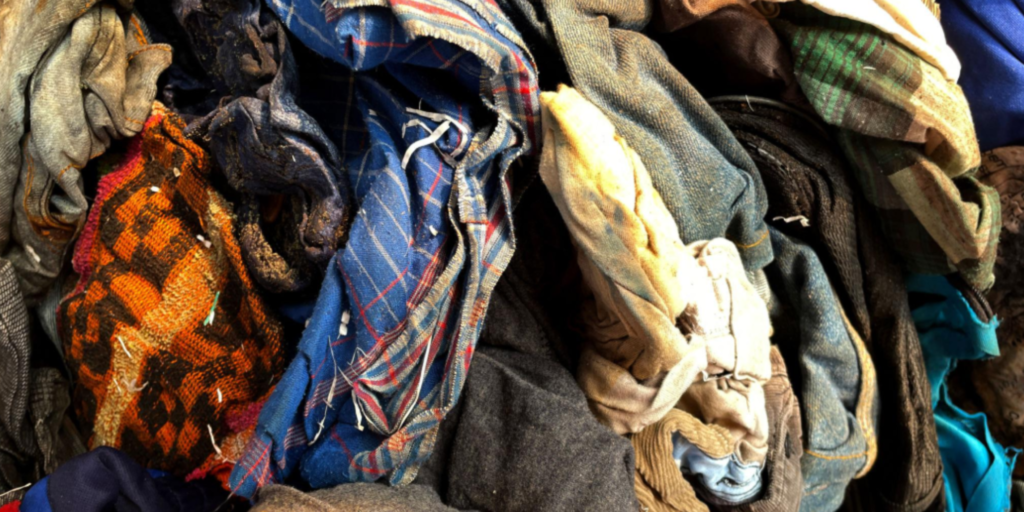
One of the most significant consequences of disposable fashion is the increase in fashion waste. Every year, enormous quantities of clothing are discarded, creating challenges for waste management systems around the world.
Many garments end up in landfills after relatively short periods of use. Some are discarded because they are no longer fashionable, while others are replaced simply because new alternatives become available. In both cases, usable clothing often leaves circulation long before its functional life has ended.
Textile waste has become a major environmental concern. Synthetic materials commonly found in fast fashion products can remain in the environment for extended periods, contributing to long-term waste accumulation.
As fashion consumption continues to grow, the volume of discarded clothing also increases. This trend has prompted greater discussion about sustainability and the need for more responsible approaches to fashion production and consumption.
How Fast Fashion Encourages a Disposable Mindset
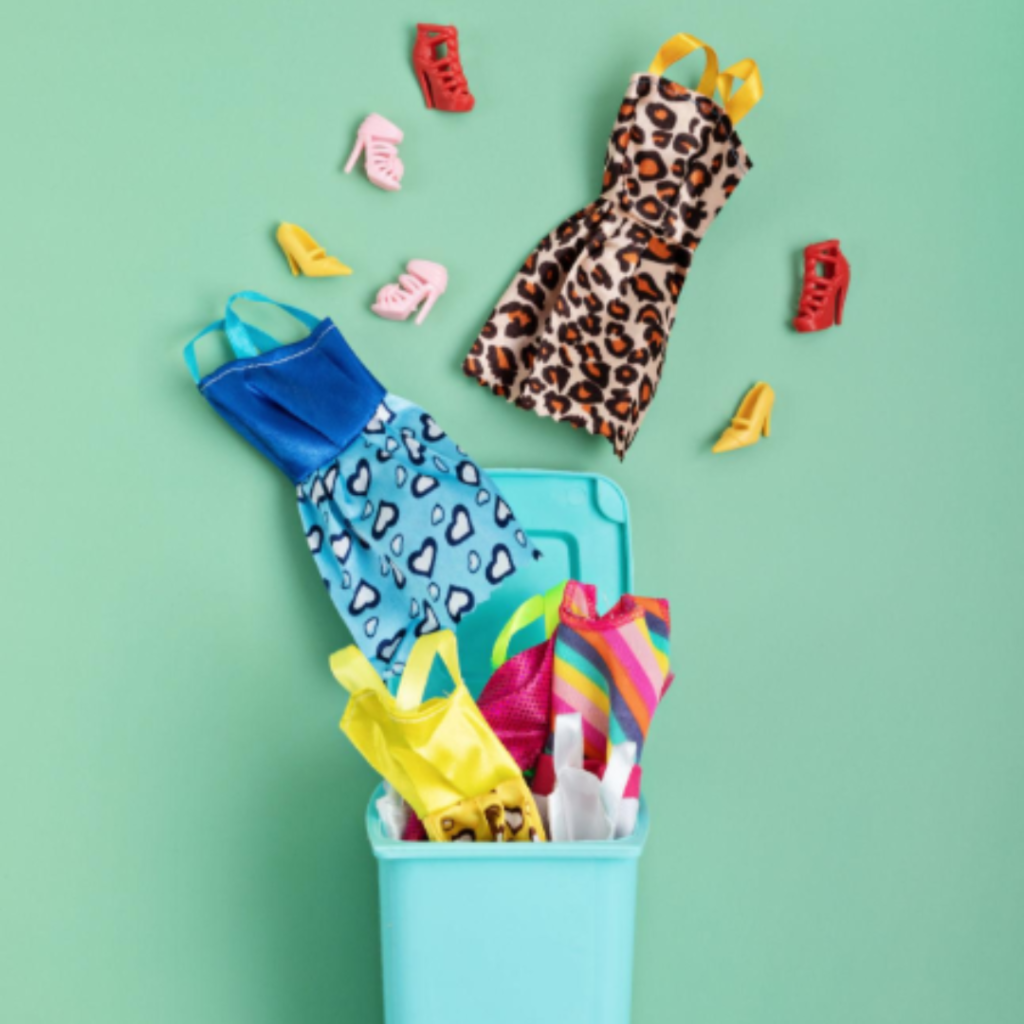
Fast fashion has fundamentally changed how many consumers think about clothing. Instead of viewing garments as long-term investments, some shoppers now see them as temporary purchases designed for immediate use.
The low cost of many fast fashion items can reduce the perceived value of clothing. When garments are inexpensive, consumers may feel less inclined to repair, reuse, or maintain them. Replacing an item often appears easier than extending its lifespan.
This mindset contributes to a culture of disposability that affects both consumer behavior and industry practices. Brands respond to demand by producing more clothing, while consumers continue purchasing at increasingly rapid rates.
The result is a cycle that reinforces itself. More production leads to more consumption, which ultimately generates more waste. Breaking this cycle requires both industry innovation and shifts in consumer attitudes.
The Environmental Impact of Disposable Fashion
The environmental impact of fashion extends beyond discarded clothing. Every garment requires resources such as water, energy, raw materials, transportation, and manufacturing infrastructure.
When clothing is worn only briefly before disposal, these resources are effectively used for a very short period relative to the environmental investment involved in production. This imbalance creates inefficiencies that contribute to broader sustainability challenges.
Textile production, packaging, and distribution all carry environmental costs. As demand for disposable fashion increases, so does the pressure placed on natural resources and ecosystems.
Growing awareness of these impacts has encouraged consumers to explore sustainable fashion alternatives that emphasize durability, quality, and responsible production methods.
Quality Versus Quantity in Modern Fashion
The debate between quality and quantity lies at the center of discussions about disposable fashion. Many consumers have become accustomed to purchasing multiple low-cost garments instead of investing in fewer, higher-quality pieces.
While affordable clothing offers immediate financial advantages, repeated replacement can ultimately reduce overall value. Garments designed for longevity often provide better performance and extended usability.
The concept of building a thoughtful wardrobe has gained popularity among consumers interested in sustainability. Rather than chasing every new trend, many people are choosing versatile clothing that remains relevant across seasons and years.
This shift reflects a growing recognition that quality often delivers greater long-term satisfaction than constant accumulation.
The Rise of Sustainable Fashion
As concerns about fashion waste continue to grow, sustainable fashion has emerged as a powerful alternative to disposable clothing culture. Sustainable fashion focuses on creating garments that are designed to last, produced responsibly, and manufactured with environmental considerations in mind.
Many sustainable clothing brands prioritize durable materials, transparent supply chains, and ethical production practices. These efforts help reduce waste while encouraging consumers to make more intentional purchasing decisions.
The rise of sustainable fashion demonstrates that style and responsibility can coexist. Consumers increasingly seek products that align with their values while maintaining the creativity and self-expression that fashion provides.
This movement is helping reshape expectations within the fashion industry and encouraging innovation focused on long-term sustainability.
How Circular Fashion Is Changing the Industry
Circular fashion offers another promising solution to the challenges associated with disposable fashion. Instead of following a traditional produce-use-discard model, circular fashion seeks to keep garments and materials in use for as long as possible.
Clothing resale platforms, repair services, recycling programs, and garment rental options are becoming more common. These initiatives help reduce waste while extending the lifespan of existing products.
Circular fashion encourages consumers to think differently about ownership and value. Rather than viewing clothing as temporary, it promotes a mindset centered on longevity, reuse, and resource efficiency.
As circular systems continue to expand, they may play an increasingly important role in reducing the environmental impact of the fashion industry.

Consumer Awareness Is Driving Change
One of the most encouraging developments in recent years is the growth of consumer awareness. People are becoming more interested in understanding where their clothing comes from, how it is produced, and what happens when it is discarded.
This increased awareness is influencing purchasing decisions and encouraging brands to improve transparency. Companies that prioritize sustainability often receive stronger support from consumers seeking responsible alternatives.
Social conversations about fashion sustainability, ethical fashion, and environmental responsibility have become more common. These discussions help educate consumers and create momentum for positive industry transformation.
While challenges remain, informed consumers have the power to influence meaningful change through their everyday choices.
What the Future of Fashion Could Look Like
The future of fashion may depend on finding a healthier balance between accessibility, creativity, and sustainability. Consumers are unlikely to stop enjoying fashion, but they may become more selective about how and why they purchase clothing.
Brands are increasingly exploring innovative materials, sustainable manufacturing processes, and circular business models designed to reduce waste. Technology may also play a role in improving efficiency and extending garment lifespans.
Fashion can continue to evolve without becoming disposable. The industry has an opportunity to embrace quality, durability, and environmental responsibility while maintaining the excitement and creativity that make fashion appealing.
The growing interest in sustainable fashion suggests that consumers are ready for a new approach—one that values both style and long-term impact.
Conclusion
The question of whether fashion has become too disposable reflects a broader conversation about consumption, sustainability, and value. Fast fashion has made clothing more accessible than ever before, but it has also contributed to increasing fashion waste, resource consumption, and environmental challenges.
As awareness grows, many consumers are reconsidering their relationship with clothing. Sustainable fashion, circular fashion, and conscious consumerism offer practical alternatives to disposable fashion culture. By prioritizing quality, durability, and thoughtful purchasing decisions, individuals can help reduce waste while supporting a more responsible fashion industry.
Fashion does not have to be temporary to remain exciting. The future of the clothing industry may depend on rediscovering the value of garments designed to be worn, appreciated, and preserved rather than quickly discarded. In doing so, both consumers and brands can contribute to a more sustainable and balanced future for fashion.