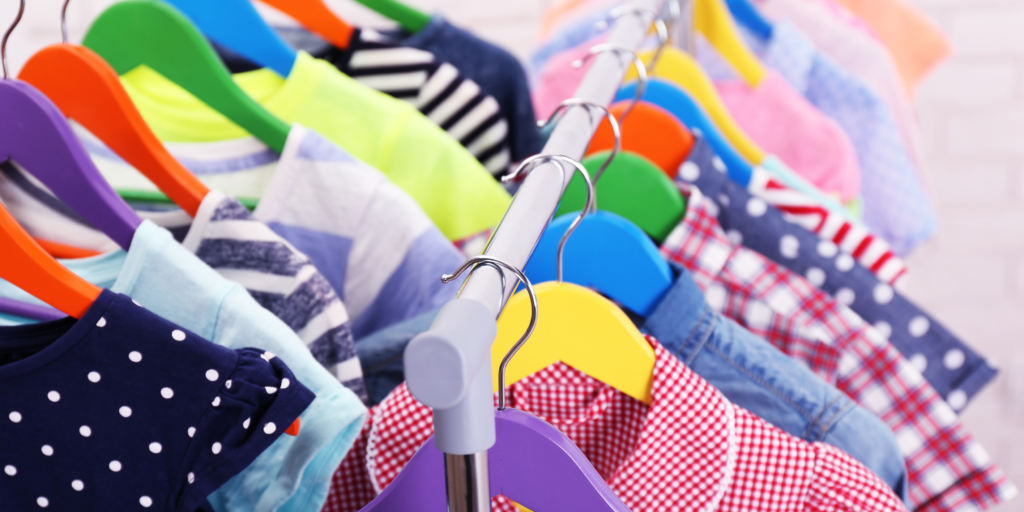
Why Soft Fabric Matters in Children’s Clothing
Children’s clothing has changed significantly over the last few years as parents have become more conscious about comfort, fabric quality, skin safety, and overall child well-being. Earlier, children’s fashion often focused mainly on colorful designs, trendy patterns, and festive styling. However, modern parents now understand that clothing directly affects how children feel physically and emotionally throughout the day. Because of this growing awareness, soft fabric has become one of the most important factors in modern children’s fashion.
Children naturally spend their day running, playing, studying, traveling, sleeping, and participating in physical activities. Clothing that feels rough, tight, heavy, or uncomfortable can easily affect their mood, energy, concentration, and emotional comfort. Soft fabric for kids clothes is therefore no longer viewed as a luxury feature. Instead, it has become an essential requirement for healthy and practical children’s clothing.
Modern parents increasingly prioritize comfortable children’s clothing because they understand that soft materials help children remain relaxed, active, cheerful, and emotionally comfortable. Fabrics like organic cotton, bamboo blends, muslin, and lightweight cotton have become highly popular because they feel gentle against delicate skin.
Social media and digital shopping platforms have also transformed the children’s fashion industry. Parenting influencers, fashion brands, pediatric recommendations, and ecommerce reviews continuously highlight the importance of skin-friendly kids clothing and safe fabric choices for growing children.
At the same time, the rise of trendy children’s fashion has also created challenges. Some brands focus heavily on visual appearance while ignoring comfort and practicality. Although fashionable designs attract attention online, parents today increasingly recognize that clothing quality matters far more than short-term style trends.
Children Have More Sensitive Skin Than Adults
One of the biggest reasons why soft fabric matters in children’s clothing is because children’s skin is naturally more delicate and sensitive compared to adults.
Young children, especially babies and toddlers, have thinner skin barriers that react more easily to rough fabrics, synthetic materials, harsh stitching, or chemical-treated textiles. Clothing made from poor-quality material can cause irritation, itching, sweating discomfort, redness, or skin sensitivity.
Soft cotton fabric for kids feels smoother against the skin and reduces friction during movement, sleep, and daily activities. Comfortable children’s clothing therefore helps children feel physically relaxed throughout the day.
Parents increasingly choose breathable kidswear because they understand how fabric texture affects emotional comfort and skin health.
Children may not always explain discomfort clearly, but rough or irritating clothing often makes them restless, frustrated, or emotionally unsettled.
At the same time, some low-cost fashion products still prioritize appearance over fabric safety, creating hidden discomfort for children despite visually attractive designs.
Breathable Fabrics Improve Everyday Comfort
Breathability has become one of the strongest priorities in modern children’s fashion trends 2026.
Children naturally remain highly active throughout the day, which means their clothing must allow airflow and prevent excessive sweating or overheating. Heavy fabrics often trap heat and moisture, making children uncomfortable during school, travel, outdoor play, or sleep.
Breathable kidswear made from lightweight cotton, bamboo fabric, linen blends, and muslin materials allows better air circulation while maintaining softness and flexibility.
Comfortable kids fashion now focuses heavily on helping children move freely without feeling restricted or overheated.
Soft material kidswear also improves sleep quality because children feel calmer and more relaxed when their clothing remains lightweight and breathable.
Parents today increasingly avoid thick synthetic fabrics because these materials often feel sticky and uncomfortable during warmer weather.
However, high-quality breathable fabrics sometimes come at higher prices, making premium children’s clothing difficult for some families to afford regularly.
Soft Fabric Supports Active Lifestyles
Modern children spend most of their day physically active, whether at school, playgrounds, sports activities, family outings, or home environments.
Clothing therefore needs to support constant movement without causing discomfort or physical restriction. Soft fabrics stretch naturally, move easily with the body, and reduce friction during active play.
Comfortable children’s clothing helps children remain energetic and emotionally positive because physical ease strongly affects overall mood and confidence.
Children wearing lightweight and soft fabrics often appear calmer and more relaxed compared to those wearing stiff or uncomfortable outfits.
Parents increasingly understand that soft fabric for kids clothes supports healthy movement, flexibility, and emotional freedom during early development stages.
At the same time, fashion brands focusing heavily on trendy appearance sometimes create outfits that look attractive online but feel uncomfortable during real-life use.
Organic Cotton Is Becoming Extremely Popular
Organic cotton children clothes have become one of the fastest-growing segments in children’s fashion because parents now prefer safer and more natural materials.
Organic cotton is produced with fewer harsh chemicals and toxic processing methods, making it gentler for children’s sensitive skin.
Parents often feel emotionally reassured when choosing organic fabrics because these materials are associated with healthier and more eco-friendly clothing production.
Skin-friendly kids clothing made from organic cotton also tends to feel softer and more breathable compared to heavily processed synthetic materials.
Eco-friendly kidswear has therefore become strongly connected with both child comfort and sustainable parenting choices.
However, marketing claims around “organic” products can sometimes confuse consumers if brands fail to maintain genuine quality standards.
Comfortable Clothing Improves Emotional Well-Being
Clothing affects children emotionally just as much as it affects them physically. Comfortable fabric can help children feel secure, relaxed, and emotionally balanced during daily routines.
When children feel uncomfortable in rough clothing, they often become irritated, distracted, restless, or emotionally frustrated. Tight seams, scratchy textures, or heat-trapping fabrics may quietly affect behavior and mood throughout the day.
Soft fabric matters in children’s clothing because emotional comfort begins with physical comfort.
Comfortable kids fashion supports concentration during school activities, peaceful sleep routines, and more positive social interaction during playtime.
Parents increasingly recognize that children perform better emotionally when their clothing feels soft, safe, and non-irritating.
At the same time, social media-driven children’s fashion sometimes creates pressure to prioritize appearance over comfort and emotional ease.
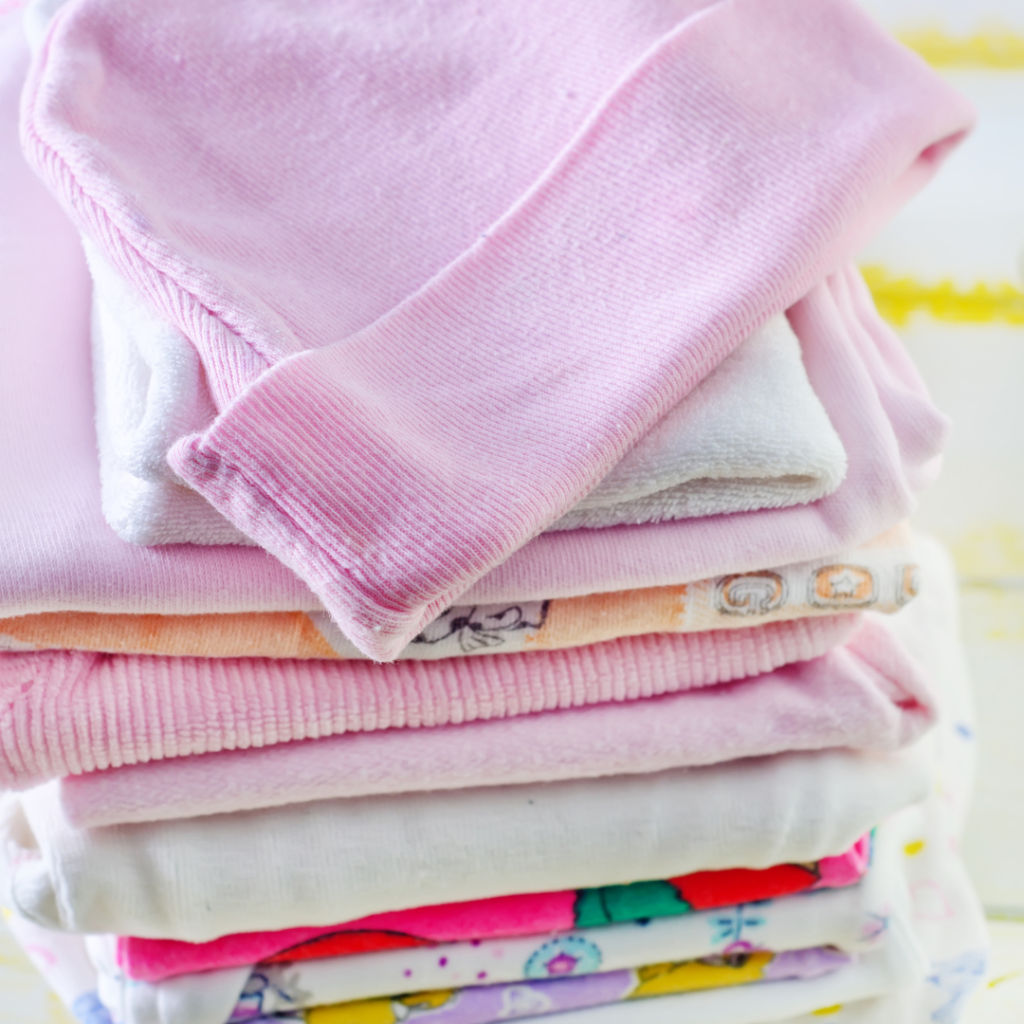
Minimalist Fashion Is Increasing Comfort Trends
Modern children’s fashion trends 2026 show growing preference for minimalist and comfort-focused designs.
Parents now choose simpler clothing styles with soft textures, neutral colors, and lightweight fabrics instead of heavily decorated or overly complicated designs.
Minimalist fashion often improves comfort because it avoids unnecessary embellishments, rough stitching, stiff embroidery, and heavy decorative elements that may irritate children.
Gentle fabric for kids combined with clean and practical design creates outfits suitable for school, travel, family gatherings, and daily activities.
Modern parenting culture increasingly values functionality and comfort rather than purely visual fashion trends.
Seasonal Weather Makes Fabric Choice Important
Weather conditions strongly influence why soft fabric matters in children’s clothing.
During summer, breathable and lightweight fabrics help children stay cool and reduce excessive sweating. Cotton remains highly preferred because it absorbs moisture effectively while remaining soft against the skin.
Winter clothing also benefits from soft fabrics because layered outfits feel more comfortable when materials remain gentle and flexible.
Parents increasingly choose season-specific comfortable children’s clothing designed around climate conditions and active lifestyles.
Soft fabrics help maintain temperature balance more naturally compared to harsh synthetic materials that may feel uncomfortable during weather changes.
Online Shopping Is Changing Fabric Awareness
Digital shopping platforms have transformed how parents purchase children’s clothing.
Today, parents carefully read product descriptions, customer reviews, fabric details, and parenting recommendations before buying kidswear online.
Online awareness regarding safe fabrics for children has increased significantly because social media and ecommerce platforms continuously educate consumers about fabric quality and skin sensitivity.
Parenting influencers and child care experts frequently discuss the importance of breathable kidswear and comfortable fabrics in daily child development.
However, online marketing can sometimes exaggerate product quality, making careful brand research important before purchasing.
Soft Fabric Improves Sleep Quality
Children spend many hours sleeping, especially during early childhood years, which makes fabric comfort extremely important during bedtime.
Soft material kidswear and lightweight sleepwear help children remain calm and physically relaxed throughout the night.
Rough fabrics or heat-trapping materials may disturb sleep quality and create unnecessary discomfort during rest periods.
Parents increasingly invest in breathable cotton pajamas, soft blankets, and lightweight nightwear designed specifically for healthy sleep comfort.
Comfortable sleepwear supports emotional calmness and better rest, which positively affects children’s mood and daily energy levels.
Fashion Brands Are Focusing More on Comfort
The children’s fashion industry is changing rapidly because modern consumers now demand both style and comfort equally.
Fashion brands increasingly design eco-friendly kidswear collections focusing on soft fabrics, flexible fits, skin-safe materials, and practical comfort.
Children fashion trends 2026 clearly show that comfort is becoming more important than purely decorative appearance.
Many brands now use lightweight fabrics, tagless designs, stretchable waistbands, and soft stitching techniques to improve overall comfort.
Parents are becoming more selective and informed, forcing brands to prioritize quality instead of only visual trends.
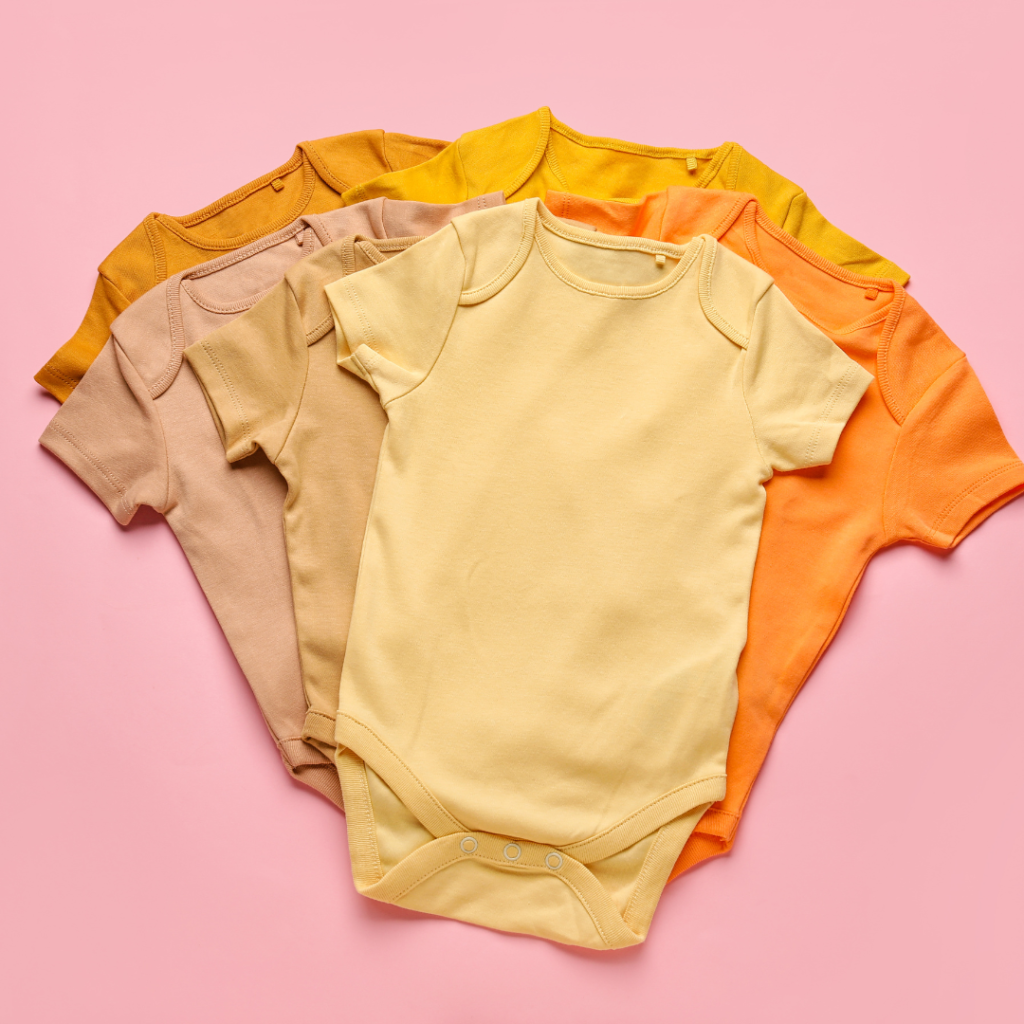
Sustainability Is Influencing Fabric Choices
Sustainability awareness has also increased interest in soft and natural fabrics for children’s clothing.
Parents now prefer durable and eco-friendly materials that feel safe while reducing environmental harm.
Organic cotton children clothes and bamboo fabrics support both child comfort and responsible fashion consumption.
Families increasingly prefer buying fewer but higher-quality outfits instead of constantly purchasing cheap fast fashion products with uncomfortable materials.
Sustainable fashion habits also encourage longer-lasting clothing designed around comfort and practicality.
Future of Children’s Clothing Fabrics
The future of children’s clothing will likely become even more focused on softness, breathability, sustainability, and child-centered design.
Fashion brands are expected to invest more heavily in fabric innovation, hypoallergenic materials, eco-friendly textiles, and technology-driven comfort solutions for kidswear.
Parents will likely continue prioritizing emotional comfort, skin safety, and flexibility over overly trend-focused fashion styles.
Artificial intelligence and digital shopping tools may also help families identify the most comfortable fabrics and suitable clothing choices for children more accurately.
Conclusion
Why soft fabric matters in children’s clothing can be understood through its direct impact on comfort, skin health, emotional well-being, movement, and daily lifestyle quality. Children naturally require breathable, lightweight, and gentle fabrics because their skin remains more delicate and sensitive compared to adults.
Modern parents increasingly choose soft cotton fabric for kids, eco-friendly kidswear, and comfortable children’s clothing because they understand that physical ease strongly affects emotional happiness and healthy development.
Although stylish children’s fashion continues evolving rapidly through social media and online shopping trends, comfort and fabric quality remain the strongest priorities for responsible parents in 2026.
As sustainable fashion and child-centered clothing design continue growing worldwide, soft fabric will remain one of the most essential elements shaping the future of modern children’s fashion.
You May Also Read
Skincare Tips for People Who Wear Glasses Every Day: A Complete Guide to Healthy, Clear Skin 2026
Skincare Tips for People Who Wear Glasses Every Day Eyeglasses...
Read More
Understanding Hair Growth Cycles: A Complete Guide to Healthy Hair Growth and Scalp Wellness 2026
Understanding Hair Growth Cycles Healthy, vibrant hair is often associated...
Read MoreHair Care After Swimming: The Complete Guide to Healthy, Hydrated, and Strong Hair 2026
Hair Care After Swimming Swimming is one of the most...
Read More