Fashion Trends That Will Disappear Soon
The Rapid Evolution of Modern Fashion Culture
Fashion trends evolve faster today than ever before. In 2026, social media, influencer culture, digital fashion platforms, and fast-fashion industries are accelerating trend cycles at an extraordinary pace. Styles that become viral within weeks can disappear just as quickly when consumer attention shifts toward newer aesthetics. As a result, many fashion trends that once dominated TikTok feeds, celebrity wardrobes, and streetwear culture are now beginning to lose popularity.
Modern consumers are becoming more selective about clothing choices because emotional comfort, sustainability, practicality, and timeless style are replacing temporary fashion hype. Oversaturated aesthetics, overly dramatic designs, and trend-driven fast fashion are gradually fading as audiences seek more meaningful and long-lasting fashion experiences. This shift is changing the entire structure of global fashion culture.
The disappearance of short-lived trends positively encourages sustainable wardrobes and intentional shopping habits. However, rapidly changing fashion cycles can also create emotional frustration and financial pressure for consumers constantly trying to keep up with viral aesthetics. Despite these challenges, fashion continues evolving through changing cultural values and digital influence.
Extremely Oversized Logos Losing Popularity
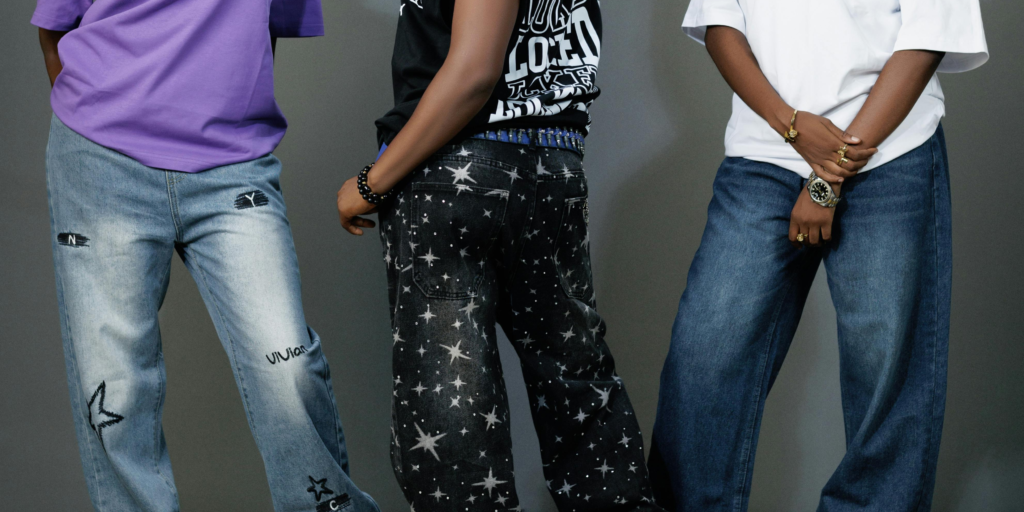
One fashion trend that may disappear soon is the obsession with oversized luxury logos and aggressive branding. During the rise of loud luxury fashion and hype-driven streetwear culture, oversized monograms, logo-heavy hoodies, and highly visible designer branding became symbols of status and internet popularity.
However, modern consumers are increasingly moving toward quiet luxury aesthetics and understated fashion choices that prioritize craftsmanship over obvious branding. Minimalist outfits, clean tailoring, neutral colors, and subtle accessories are replacing excessive logo-focused clothing because audiences now associate quiet sophistication with emotional maturity and timeless elegance.
This transition positively supports refined fashion values and reduces excessive status competition. Nevertheless, some consumers still enjoy expressive branding because it creates bold visual identity and social recognition within digital culture.
Ultra-Fast TikTok Microtrends Fading Quickly
TikTok has transformed fashion trend cycles by creating viral aesthetics that explode in popularity almost overnight. However, many of these microtrends disappear just as rapidly because they lack long-term emotional connection or practical versatility.
Highly specific aesthetics such as exaggerated “corecore” styling, chaotic layering trends, overly ironic outfits, and hyper-niche internet fashion movements often lose relevance after excessive social media exposure. Consumers are becoming emotionally exhausted by constant pressure to follow rapidly changing digital trends.
The decline of short-term TikTok microtrends positively encourages more thoughtful fashion habits and reduces emotional burnout. On the other hand, the fast-moving nature of online fashion culture may continue creating temporary aesthetics designed mainly for viral entertainment rather than lasting style value.
Overly Distressed Clothing Becoming Less Relevant
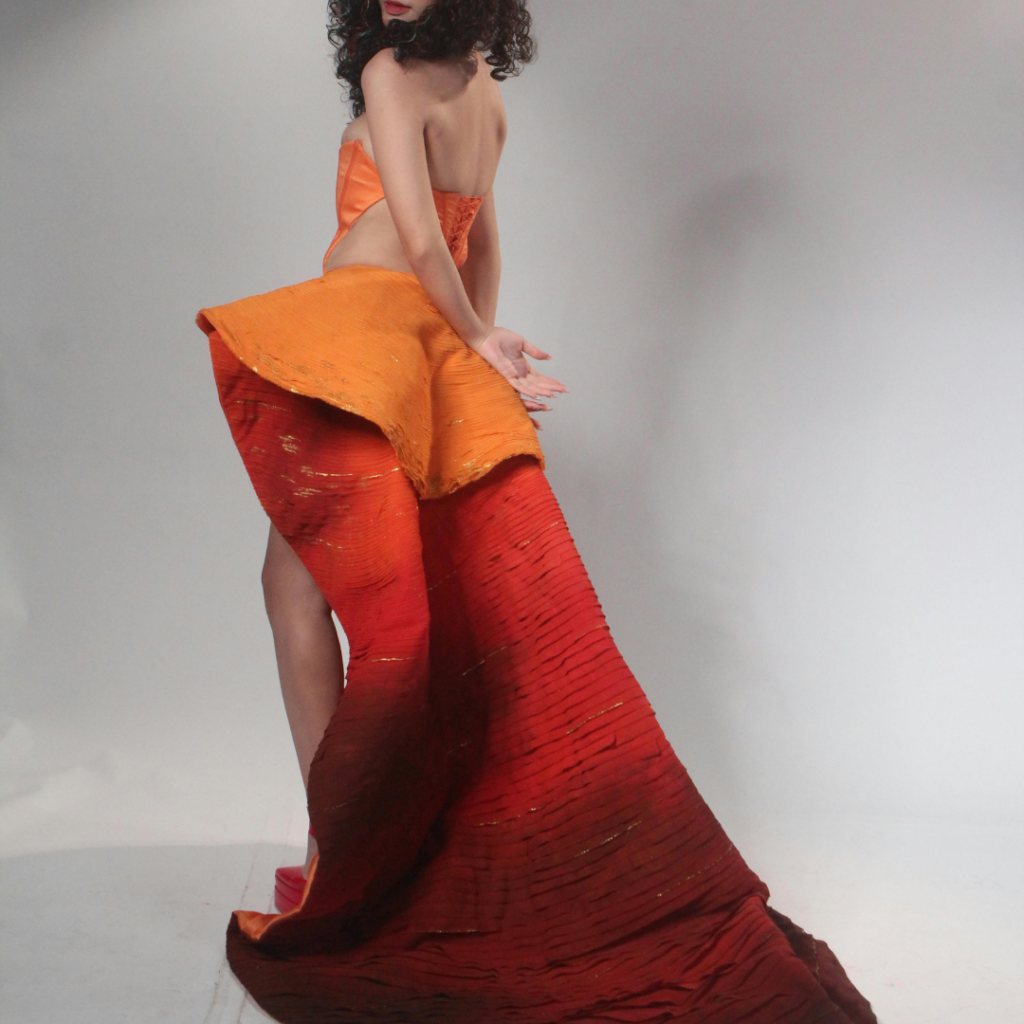
Extremely distressed fashion styles may also disappear gradually in the coming years. Torn jeans, heavily ripped jackets, exaggerated distressed textures, and intentionally damaged clothing once symbolized rebellion and edgy streetwear culture. However, many consumers now prefer cleaner silhouettes and more polished casual outfits that feel emotionally balanced and versatile.
As quiet luxury and minimalist fashion continue gaining influence, excessively distressed clothing is beginning to appear visually chaotic and emotionally outdated for many audiences. Consumers increasingly seek fashion that combines comfort with refinement rather than exaggerated visual disorder.
This change positively supports timeless wardrobe building and sophisticated casual fashion. However, alternative fashion communities may continue appreciating distressed aesthetics because they still represent individuality and artistic rebellion.
Hyper-Colorful Neon Fashion Losing Influence
Bright neon fashion trends that dominated certain social media eras are slowly fading from mainstream popularity. Neon green, electric pink, bright orange, and highly fluorescent outfits once attracted attention because they photographed well on digital platforms and symbolized youthful energy.
In 2026, consumers are moving toward earthy tones, monochromatic styling, neutral palettes, and emotionally calming colors inspired by quiet luxury and minimalist aesthetics. Warm beige, charcoal gray, navy blue, olive green, and soft brown shades now dominate modern wardrobes because they feel timeless and visually relaxing.
The decline of neon fashion positively encourages versatile styling and emotionally balanced fashion choices. Nevertheless, highly expressive consumers may still enjoy bold color experimentation as part of artistic self-expression.
Excessively Chunky Sneakers Losing Appeal
Chunky sneakers became one of the strongest fashion trends during the rise of oversized streetwear culture. Massive soles, exaggerated silhouettes, and futuristic sneaker designs dominated fashion runways and influencer wardrobes for several years.
However, fashion audiences are increasingly shifting toward cleaner sneaker silhouettes and timeless footwear designs that feel more versatile and sophisticated. Minimal leather sneakers, vintage-inspired shoes, and streamlined athletic footwear are replacing oversized chunky sneakers because consumers now prefer comfort combined with understated elegance.
This footwear evolution positively supports practical styling and long-term wardrobe value. However, sneaker culture enthusiasts may continue appreciating bold sneaker designs as collectible fashion statements and artistic streetwear symbols.
Fast Fashion Culture Facing Consumer Resistance
Fast fashion trends themselves are beginning to lose emotional appeal among many consumers. Younger generations are becoming more conscious about sustainability, ethical production, and environmental damage caused by excessive clothing waste and trend-driven overconsumption.
Consumers increasingly understand that constantly chasing short-lived trends creates financial strain and emotional dissatisfaction while contributing to environmental problems. Sustainable fashion, capsule wardrobes, vintage clothing, and timeless basics are becoming more attractive alternatives to disposable fashion culture.
The decline of fast fashion positively supports environmental responsibility and mindful shopping behavior. However, affordable fashion accessibility remains important for many consumers with limited budgets, creating ongoing challenges within the fashion industry.
Unrealistic “Perfect Aesthetic” Fashion Declining
Highly curated “perfect aesthetic” fashion trends are also beginning to lose popularity because consumers are becoming emotionally exhausted by unrealistic online perfection. Carefully staged outfits, flawless luxury lifestyles, and hyper-polished appearances no longer feel emotionally relatable for many audiences.
Messy fashion, relaxed styling, casual layering, and emotionally authentic fashion choices are replacing rigid aesthetic perfection because consumers now value comfort and individuality more strongly. Fashion culture is becoming more emotionally human and less focused on impossible visual standards.
This transformation positively strengthens self-expression and emotional realism. However, digital culture may still continue promoting curated perfection through influencer marketing and aspirational content strategies.
Tiny Micro Bags Losing Practical Relevance
Micro handbags and ultra-small fashion accessories once became viral luxury trends because of celebrity culture and social media visibility. However, many consumers now view these accessories as impractical because they prioritize appearance over functionality.
Larger tote bags, structured handbags, functional backpacks, and minimalist accessories are becoming more popular because modern consumers increasingly value convenience, versatility, and organized lifestyles. Fashion is shifting toward practical luxury rather than purely decorative styling choices.
The decline of impractical accessories positively supports functional fashion habits. Nevertheless, artistic and high-fashion communities may continue using dramatic accessories as creative runway statements.
Excessive Y2K Fashion Facing Saturation
Y2K fashion trends have dominated social media and streetwear culture for several years through low-rise jeans, rhinestones, colorful sunglasses, crop tops, and nostalgic early-2000s aesthetics. While Y2K fashion remains influential, excessive repetition and trend saturation are causing some audiences to lose emotional interest.
Consumers are beginning to seek fresher interpretations and more timeless silhouettes instead of endlessly recycling early internet-era aesthetics. Fashion industries continue evolving because nostalgia alone cannot sustain trends forever without innovation and emotional reinvention.
This shift positively encourages creative diversity and future-focused design. However, nostalgia-driven fashion will likely continue returning in cycles because emotional familiarity remains highly influential within consumer psychology.
Gendered Fashion Rules Becoming Outdated
Traditional gender-specific fashion trends are gradually disappearing as gender-fluid styling becomes more accepted within global fashion culture. Rigid ideas about “menswear” and “womenswear” are fading because modern consumers increasingly prioritize emotional authenticity and individuality over restrictive appearance expectations.
Oversized tailoring, monochromatic outfits, relaxed silhouettes, and versatile fashion pieces are replacing highly gender-coded aesthetics. Consumers appreciate clothing that feels emotionally expressive and adaptable regardless of traditional fashion rules.
This evolution positively strengthens inclusivity and creative freedom within modern fashion. Nevertheless, changing style norms may still feel emotionally unfamiliar for audiences strongly connected to traditional cultural values.
Social Media Speeds Up Fashion Trend Death
One major reason fashion trends disappear so quickly today is because social media accelerates overexposure. Viral aesthetics become emotionally exhausting after appearing repeatedly across TikTok feeds, influencer campaigns, and online shopping platforms. Consumers rapidly lose excitement when trends become too predictable or commercially oversaturated.
Fashion trends that once lasted several years may now disappear within months because digital culture constantly demands novelty and emotional stimulation. This accelerated cycle creates both creative opportunity and emotional instability within modern fashion culture.
Social media positively expands trend visibility and global creativity. However, trend saturation may also encourage impulsive shopping behavior and reduce emotional connection with personal style identity.
Timeless Fashion Is Replacing Temporary Trends
As temporary trends fade, timeless fashion continues growing stronger in 2026. Consumers increasingly prefer clothing that remains stylish for multiple seasons instead of chasing every viral aesthetic. Tailored blazers, neutral basics, premium denim, minimalist sneakers, monochromatic outfits, and sustainable wardrobe essentials are becoming more desirable than short-lived statement pieces.
This shift reflects a broader cultural movement toward emotional balance, mindful consumption, and intentional living. Fashion audiences now value versatility, comfort, and long-term relevance more than temporary digital popularity.
Timeless fashion positively strengthens sustainability and emotional confidence. However, completely rejecting experimental trends may occasionally reduce creativity and artistic excitement within fashion culture.
The Future of Fashion Trends in 2026
The future of fashion trends will likely continue balancing digital innovation, sustainability, emotional authenticity, and timeless design. Consumers are becoming more selective and emotionally aware regarding what they wear and why they purchase certain clothing styles.
Fashion brands will increasingly focus on creating adaptable collections that combine trend relevance with long-term versatility. Artificial intelligence, digital fashion experiences, and sustainable production methods will continue influencing how trends emerge and disappear in coming years.
Fashion trends that will disappear soon represent more than temporary clothing styles alone. They reflect changing consumer psychology, evolving social values, digital influence, and growing awareness surrounding sustainability and emotional well-being. While certain viral aesthetics may continue returning in new forms, modern fashion culture is clearly moving toward more intentional, balanced, and emotionally meaningful style choices in 2026 and beyond.
You May Also Read
Skincare Tips for People Who Wear Glasses Every Day: A Complete Guide to Healthy, Clear Skin 2026
Skincare Tips for People Who Wear Glasses Every Day Eyeglasses...
Read More
Understanding Hair Growth Cycles: A Complete Guide to Healthy Hair Growth and Scalp Wellness 2026
Understanding Hair Growth Cycles Healthy, vibrant hair is often associated...
Read MoreHair Care After Swimming: The Complete Guide to Healthy, Hydrated, and Strong Hair 2026
Hair Care After Swimming Swimming is one of the most...
Read More