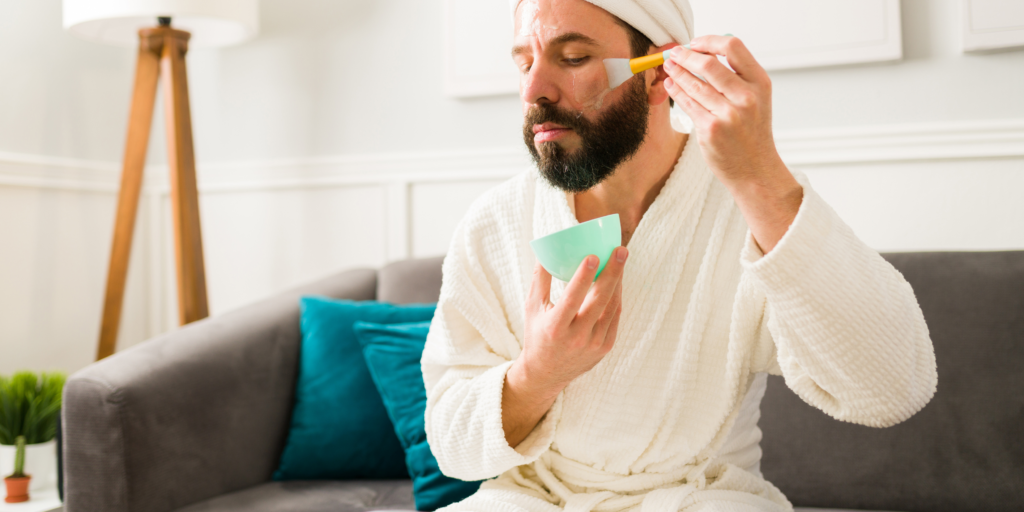
Why Men Are Investing More in Skincare and Style
The Evolution of Modern Masculinity and Self-Care
The relationship between men, fashion, and personal grooming has changed dramatically in recent years. In 2026, men are investing more in skincare and style than ever before, transforming the global fashion and grooming industry in powerful ways. What was once considered a niche interest or luxury lifestyle habit has now become part of mainstream modern masculinity. Men across different age groups are increasingly prioritizing skincare routines, fashion awareness, wellness habits, and personal presentation as essential elements of confidence and lifestyle identity.
Modern society no longer views grooming and style as topics limited to celebrities or fashion professionals. Today’s men are becoming more conscious about appearance, emotional well-being, professional image, and long-term self-care. Skincare products, luxury grooming brands, minimalist fashion trends, and wellness-focused routines are rapidly gaining popularity because men increasingly understand the emotional and social impact of personal presentation.
This transformation positively supports confidence, self-respect, and emotional awareness among men. However, some critics argue that growing pressure surrounding appearance standards may also create anxiety, unrealistic expectations, and emotional insecurity within modern male culture. Despite these concerns, men’s skincare and fashion industries continue expanding rapidly across global markets.
Social Media Influencing Men’s Grooming Habits
Social media platforms are one of the biggest reasons men are investing more in skincare and style. Instagram, TikTok, YouTube, and Pinterest constantly expose audiences to grooming tutorials, skincare routines, fashion inspiration, and lifestyle content created by influencers, celebrities, athletes, and entrepreneurs.
Modern men are increasingly learning about skincare ingredients, beard grooming, haircare routines, anti-aging products, and luxury fashion through digital content platforms. Social media normalizes self-care and encourages men to explore grooming habits without the social stigma that existed in previous generations.
Fashion creators and grooming influencers regularly showcase stylish outfits, healthy skincare routines, luxury accessories, and wellness-focused lifestyles that inspire millions of male consumers worldwide. This digital exposure positively expands education and confidence regarding self-care habits. However, constant comparison with highly curated online appearances may also contribute to emotional pressure and unrealistic beauty standards.
Men’s Skincare Industry Growing Rapidly
The global men’s skincare market has grown significantly because consumers now understand that healthy skin is connected to wellness, confidence, and long-term appearance care. Men are increasingly purchasing face cleansers, moisturizers, sunscreens, serums, beard oils, anti-aging creams, and luxury grooming products designed specifically for male skin concerns.
Skincare is no longer viewed as unnecessary or overly cosmetic within modern masculine culture. Instead, many men see skincare routines as practical self-maintenance habits similar to fitness or healthy eating. Busy lifestyles, pollution, stress, and digital fatigue are also encouraging consumers to focus more on skin health and relaxation.
This skincare movement positively supports hygiene awareness and emotional well-being. Nevertheless, aggressive marketing and luxury beauty standards may sometimes create financial pressure and emotional dissatisfaction among consumers seeking “perfect” appearance results.
Confidence and Professional Image Matter More
One major reason men are investing more in style and skincare is because professional and social environments increasingly value polished presentation. Fashion and grooming strongly influence first impressions, workplace communication, networking confidence, and personal branding.
Well-fitted clothing, healthy skin, clean grooming, and modern styling often help men feel emotionally prepared and socially confident. Tailored blazers, minimalist wardrobes, luxury watches, quality footwear, and organized grooming routines create stronger visual impact in both professional and casual environments.
Confidence-building fashion positively improves communication and self-esteem. However, excessive focus on appearance-based success may occasionally increase emotional pressure and social comparison within competitive industries and digital cultures.
The Rise of Self-Care Culture Among Men
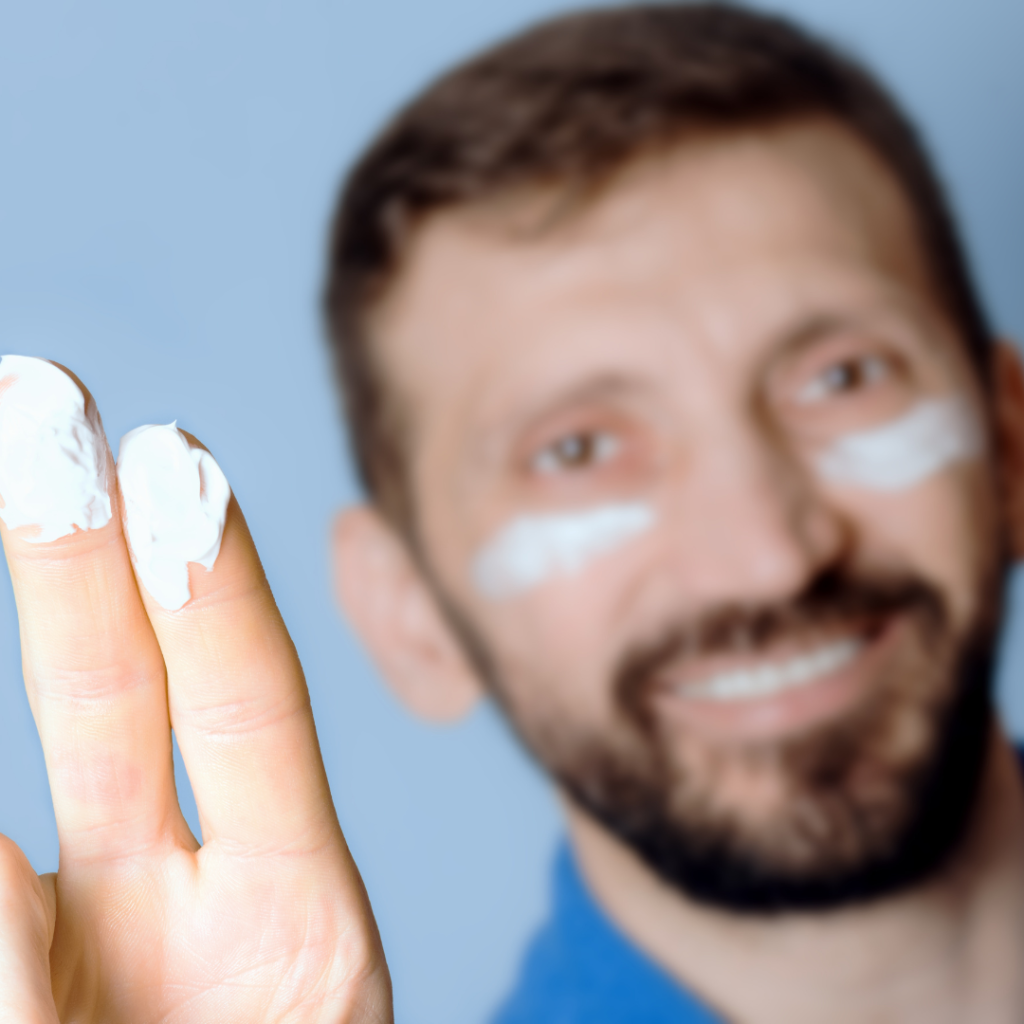
Self-care culture is becoming deeply connected to modern masculinity. Men are increasingly understanding that emotional wellness, physical health, skincare, fashion, fitness, and mental balance are interconnected lifestyle habits rather than separate categories.
Spa treatments, grooming routines, wellness skincare products, meditation, luxury fragrances, and organized fashion habits are becoming more socially accepted among men. Younger generations especially view self-care as a sign of emotional intelligence and balanced living rather than weakness or vanity.
This cultural shift positively encourages healthier emotional habits and stronger self-awareness. At the same time, over-commercialization of self-care culture may sometimes transform wellness into another expensive lifestyle trend driven by consumer pressure.
Fashion Awareness Is Becoming Mainstream
Men’s fashion awareness has increased significantly in 2026 because style is now closely connected to social identity and emotional expression. Modern men are experimenting more confidently with luxury streetwear, minimalist fashion, tailored outfits, monochromatic styling, and premium accessories.
Consumers increasingly understand that clothing influences confidence, social perception, and personal identity. Men are building organized wardrobes focused on quality basics, versatile tailoring, comfortable luxury, and emotionally expressive style choices.
Fashion-conscious lifestyles positively support individuality and creativity. Nevertheless, trend-driven fashion culture may also encourage impulsive shopping habits and unrealistic appearance expectations if consumers become emotionally dependent on external validation.
Celebrity Influence on Men’s Style Trends
Celebrities and athletes continue playing a major role in shaping men’s grooming and fashion habits. Actors, musicians, sports personalities, entrepreneurs, and influencers regularly showcase luxury fashion, polished skincare routines, and modern masculine aesthetics through social media and public appearances.
Tailored suits, luxury streetwear, skincare endorsements, and wellness-focused lifestyles inspire millions of men to improve grooming habits and fashion awareness. Celebrity culture strongly influences how modern masculinity is visually represented within global media.
This influence positively expands acceptance for male self-care and personal style experimentation. However, excessive admiration of celebrity lifestyles may also contribute to financial pressure and emotionally unrealistic appearance goals among audiences.
Minimalist Fashion and Grooming Trends
Minimalism is becoming highly influential within men’s style culture. Many consumers prefer organized wardrobes, clean skincare routines, neutral color palettes, and timeless grooming habits instead of excessive trend-following or complicated fashion choices.
Minimalist fashion allows men to create polished appearances while reducing decision fatigue and unnecessary clutter. Tailored trousers, monochromatic outfits, quality sneakers, premium outerwear, and simple skincare routines dominate modern male lifestyle trends.
Minimalist grooming positively supports emotional clarity and sustainable fashion habits. Nevertheless, excessive focus on minimalist perfection may occasionally reduce creativity and emotional spontaneity within personal style choices.
Luxury Brands Targeting Male Consumers
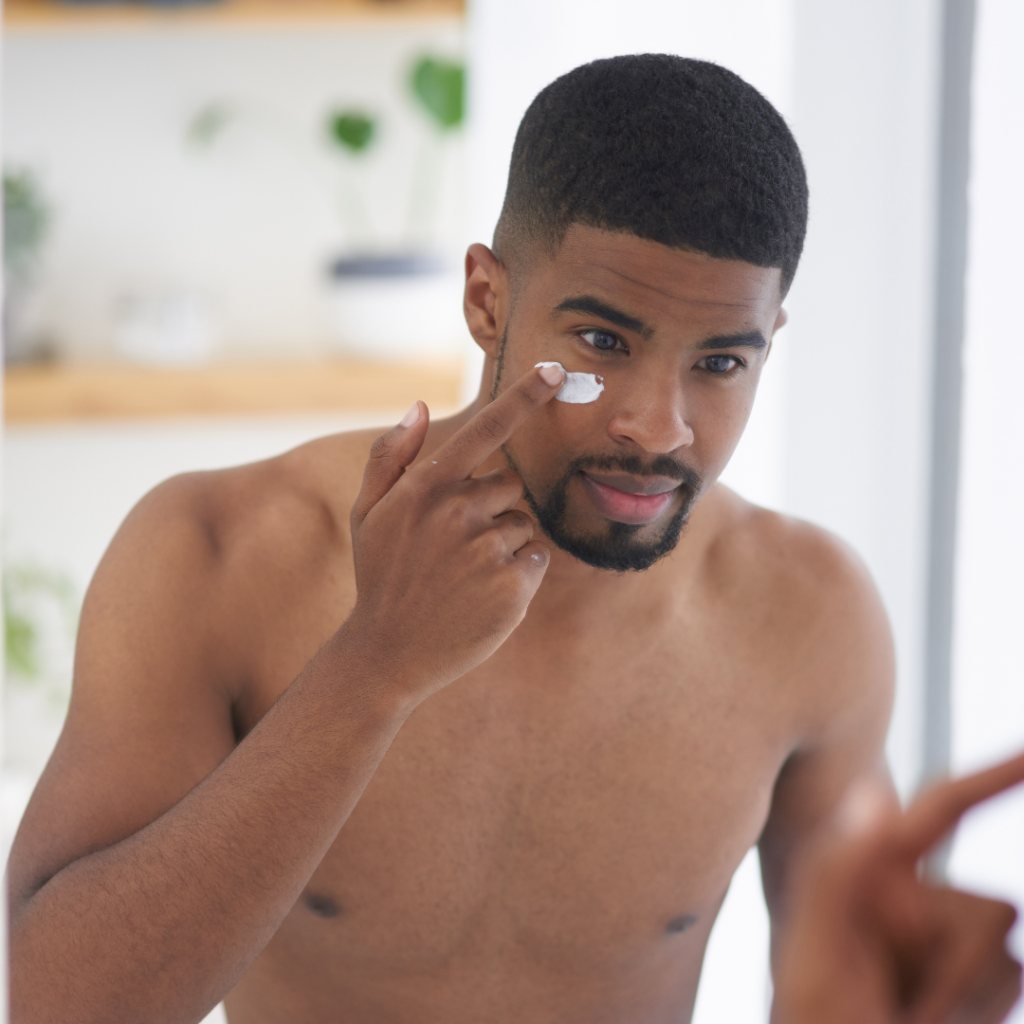
Luxury fashion and beauty brands are increasingly targeting male consumers because demand for men’s skincare and style products continues growing rapidly. Premium grooming products, luxury fragrances, tailored fashion collections, and wellness-focused skincare lines are becoming central parts of modern male marketing strategies.
Luxury brands understand that men are becoming more emotionally invested in personal image, self-confidence, and lifestyle identity. As a result, companies are designing products that combine sophistication, simplicity, and emotional comfort for modern male consumers.
This market growth positively expands diversity and innovation within men’s fashion and skincare industries. However, luxury branding may also encourage status-driven consumer behavior and emotionally unhealthy comparison culture.
Mental Health and Emotional Confidence
The connection between mental health and personal appearance is becoming more openly discussed among men. Many consumers report feeling emotionally stronger, calmer, and more motivated when they maintain organized grooming habits and intentional fashion routines.
Healthy skincare habits, stylish clothing, and personal care rituals often create emotional stability and confidence within stressful modern lifestyles. Grooming routines provide structure and self-discipline while helping individuals feel more prepared socially and professionally.
This emotional connection positively supports self-esteem and healthier daily routines. However, emotional dependence on physical appearance may occasionally create insecurity if confidence becomes too connected to visual perfection.
Gender Norms Are Evolving
Changing gender expectations are another major reason men are investing more in skincare and style. Modern society increasingly accepts emotional openness, self-care awareness, and fashion consciousness among men without automatically associating these interests with weakness or social judgment.
Younger generations especially embrace flexible masculinity that values confidence, emotional intelligence, and individuality rather than rigid appearance expectations. Men now feel more comfortable exploring skincare, luxury fashion, jewelry, and wellness-focused lifestyles without fear of traditional stereotypes.
This cultural evolution positively supports inclusivity and emotional freedom. However, certain traditional perspectives may still resist changing definitions of masculinity and male self-expression.
Technology Improving Men’s Grooming Experiences
Technology is also transforming how men approach skincare and style in 2026. AI-powered skincare apps, digital styling platforms, virtual grooming consultations, and personalized product recommendations help consumers make more informed fashion and beauty decisions.
Smart grooming tools and personalized skincare analysis systems allow men to develop routines based on individual skin types and lifestyle habits. Fashion technology is making self-care more accessible, educational, and convenient for busy modern consumers.
Technology positively improves personalization and efficiency within men’s grooming culture. Nevertheless, excessive digital dependence may occasionally reduce emotional authenticity and increase consumer tracking concerns.
Sustainable Grooming and Fashion Habits
Sustainability is becoming increasingly important within men’s skincare and style industries. Consumers are now purchasing eco-friendly grooming products, reusable skincare packaging, sustainable fashion collections, and timeless wardrobe essentials instead of temporary fast-fashion trends.
Men are becoming more conscious about ethical production methods and environmentally responsible lifestyle habits. Sustainable grooming reflects emotional maturity and long-term thinking rather than impulsive trend consumption.
Sustainable self-care positively supports environmental responsibility and mindful consumer behavior. However, eco-friendly fashion and grooming products often remain more expensive than mass-market alternatives.
The Future of Men’s Skincare and Style
The future of men’s skincare and style appears highly influential and emotionally driven. As social norms continue evolving, men will likely become even more invested in personal grooming, wellness, fashion identity, and emotional self-care. Technology, sustainability, luxury minimalism, and personalized experiences will continue shaping the future of modern male lifestyles.
Fashion brands, skincare companies, and wellness industries are expected to focus increasingly on emotional confidence, authenticity, and balanced self-care rather than unrealistic perfection standards. Men will continue redefining masculinity through grooming habits, fashion awareness, and intentional lifestyle choices.
Why men are investing more in skincare and style goes far beyond appearance alone. It reflects changing social values, emotional awareness, confidence-building habits, and evolving definitions of modern masculinity. While conversations regarding social pressure, luxury culture, and appearance expectations remain important, men’s growing interest in skincare and fashion continues reshaping contemporary lifestyle culture through self-expression, wellness, and personal empowerment.
You May Also Read
Skincare Tips for People Who Wear Glasses Every Day: A Complete Guide to Healthy, Clear Skin 2026
Skincare Tips for People Who Wear Glasses Every Day Eyeglasses...
Read More
Understanding Hair Growth Cycles: A Complete Guide to Healthy Hair Growth and Scalp Wellness 2026
Understanding Hair Growth Cycles Healthy, vibrant hair is often associated...
Read MoreHair Care After Swimming: The Complete Guide to Healthy, Hydrated, and Strong Hair 2026
Hair Care After Swimming Swimming is one of the most...
Read More